

Can India eliminate malaria by 2030?
The Hindu
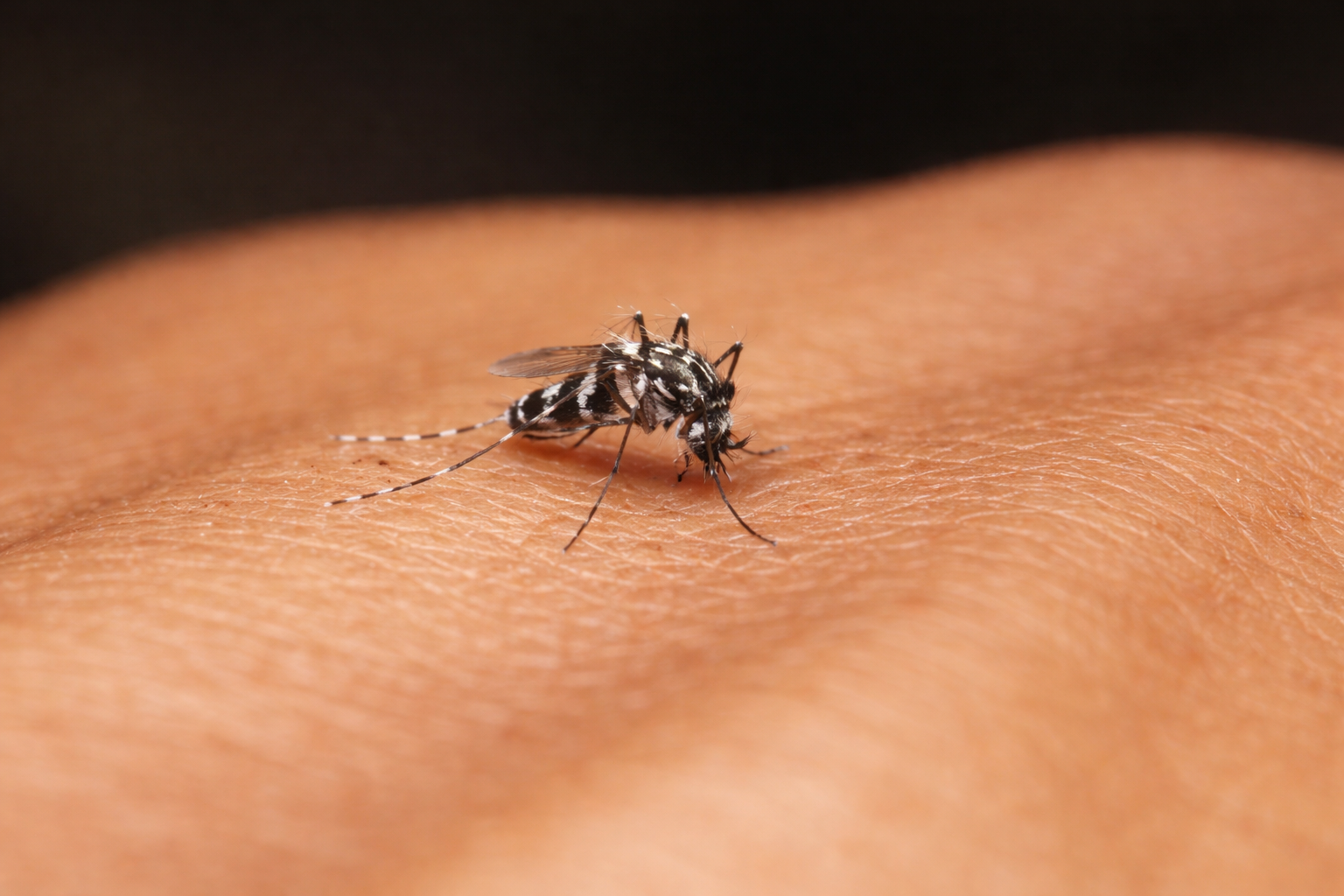
The article delves into India's National Framework for Malaria Elimination, outlining the country's ambitious goal of eradicating malaria by 2030. It covers the progress made, challenges encountered, and measures being implemented to track, treat, and eliminate malaria cases across various regions.
Key Arguments
- National Framework for Malaria Elimination: India aims to eliminate malaria by 2030, a significant milestone that would make the country malaria-free. The Ministry of Health and Family Welfare has set a target to reduce malaria cases across 160 districts in 32 states and union territories by 2024.
- Progress in Malaria Control: The article highlights that the incidence of malaria in India has been reduced by about 80% from 2015 to 2023, reflecting substantial progress in the national fight against the disease. Despite this, the country continues to face challenges from cross-border malaria transmission, mainly due to population movement.
- WHO’s Report and India’s Efforts: The World Malaria Report 2022 acknowledges India’s efforts in reducing malaria incidence and highlights the country’s significant strides in surveillance, response systems, and achieving a certification of malaria-free status for several districts.
- Challenges to Malaria Elimination: India’s success in malaria control has been hampered by cross-border transmission, underreporting, and difficulties in treating indigenous malaria cases. Despite advances, challenges remain in rural and urban areas with high malaria-endemic rates.
- India’s Measures to Eliminate Malaria: Key steps in India’s malaria elimination strategy include enhanced surveillance, treatment improvements, data collection, and community outreach efforts. The country has also integrated new technologies in its fight against the disease, with emphasis on strengthening healthcare systems, especially in malaria-prone areas.
- State-Level Efforts: Specific states such as Assam and Mizoram have made notable progress in reducing malaria cases, illustrating the importance of localized action and tailored interventions.
The Author’s Stance and Biases
The article is largely neutral in tone, presenting both the achievements and challenges India faces in malaria control. However, there is an implicit optimism around the success of the program, as it highlights the WHO's acknowledgment of India’s progress. The focus on data-driven results and state-level efforts presents a positive outlook on India’s strategy, though the challenges are also clearly mentioned.
Pros
- Significant Progress: The article emphasizes the remarkable reduction in malaria cases, citing an 80% decrease in cases between 2015 and 2023. This highlights India’s effective implementation of its malaria control measures.
- Comprehensive Approach: The holistic approach to malaria elimination, including surveillance, treatment, and local interventions, reflects a well-rounded strategy for eradicating the disease.
- Acknowledgment by WHO: The fact that India has been recognized by the World Health Organization (WHO) for its malaria reduction efforts adds credibility to the nation’s approach and underscores the global recognition of its efforts.
- State-Specific Success Stories: The article effectively highlights successful state-level interventions, such as in Assam and Mizoram, which can serve as models for other regions.
Cons
- Challenges of Cross-Border Transmission: One of the major obstacles highlighted is cross-border transmission, which remains a key issue. The movement of people between countries, especially in border areas, continues to pose significant challenges in controlling the disease.
- Implementation Gaps: While India has made progress, the implementation of the malaria elimination framework at the grassroots level can face hurdles such as underreporting, inadequate healthcare infrastructure, and lack of access to treatment in remote areas.
- Urban Areas and Slums: The urban areas, particularly slums and densely populated regions, are often not adequately addressed in the malaria elimination efforts. The article mentions urban challenges, which are a key area of concern but do not seem to be sufficiently tackled in the current approach.
Policy Implications
The article’s content highlights the importance of continued focus on strengthening the health systems in high-risk areas, enhancing surveillance, and addressing the barriers to access and treatment. The push for eliminating malaria by 2030 aligns with India’s broader healthcare objectives and contributes to global health goals.
- Public Health Investments: It emphasizes the need for sustained investments in public health infrastructure, especially in rural and underserved areas, to ensure the success of malaria elimination efforts.
- Coordination with Neighboring Countries: Given the cross-border nature of malaria transmission, the article implies that international cooperation with neighboring countries is crucial for controlling and eliminating the disease.
- Continued Research and Technology Integration: As the article mentions, new tools and technologies will play a vital role in India’s malaria elimination efforts. This suggests an opportunity for collaboration between the public and private sectors to innovate and develop new diagnostic and treatment technologies.
Real-World Impact
In the real world, India’s malaria elimination goal can have far-reaching effects. Eliminating malaria will not only improve public health outcomes but also reduce the economic burden of the disease. The cost of malaria treatment, loss of productivity, and impact on healthcare systems are significant, and the elimination of malaria can help mitigate these challenges.
Additionally, the success of the malaria elimination program will likely improve India’s global standing in public health and could serve as a model for other nations dealing with similar diseases. The initiative could also have positive implications for tourism, trade, and overall national development.
UPSC GS Paper Alignment
The topic is highly relevant to UPSC GS Paper II (Governance, Constitution, Polity, Social Justice), as it deals with public health policy and governance challenges in India. The emphasis on state-level interventions and government accountability ties into the study of India's federal system and the role of public health in governance.
Additionally, the topic aligns with UPSC GS Paper II - Social Justice, particularly in the context of addressing health disparities and ensuring equitable access to healthcare in vulnerable regions. It also relates to UPSC GS Paper I - Society, as it discusses public health challenges and interventions within Indian society.
Conclusion and Future Perspectives
India’s fight against malaria is a significant public health challenge, but the progress outlined in the article provides a cautiously optimistic outlook. The elimination of malaria by 2030 is a challenging but achievable goal, provided that the country continues to strengthen its surveillance systems, enhance healthcare infrastructure, and address the specific needs of high-risk regions.
For aspirants preparing for the UPSC, understanding this issue in the context of public health governance, social justice, and regional development will be critical. The future success of malaria elimination in India will depend on a sustained, multi-faceted approach involving government action, technological advancements, and international cooperation. The progress made in states like Assam and Mizoram offers hope for the entire country, and the lessons learned from these efforts should be scaled up to achieve nationwide malaria eradication.
