

Centre revises cadre allocation policy with new group structure
Indian Express
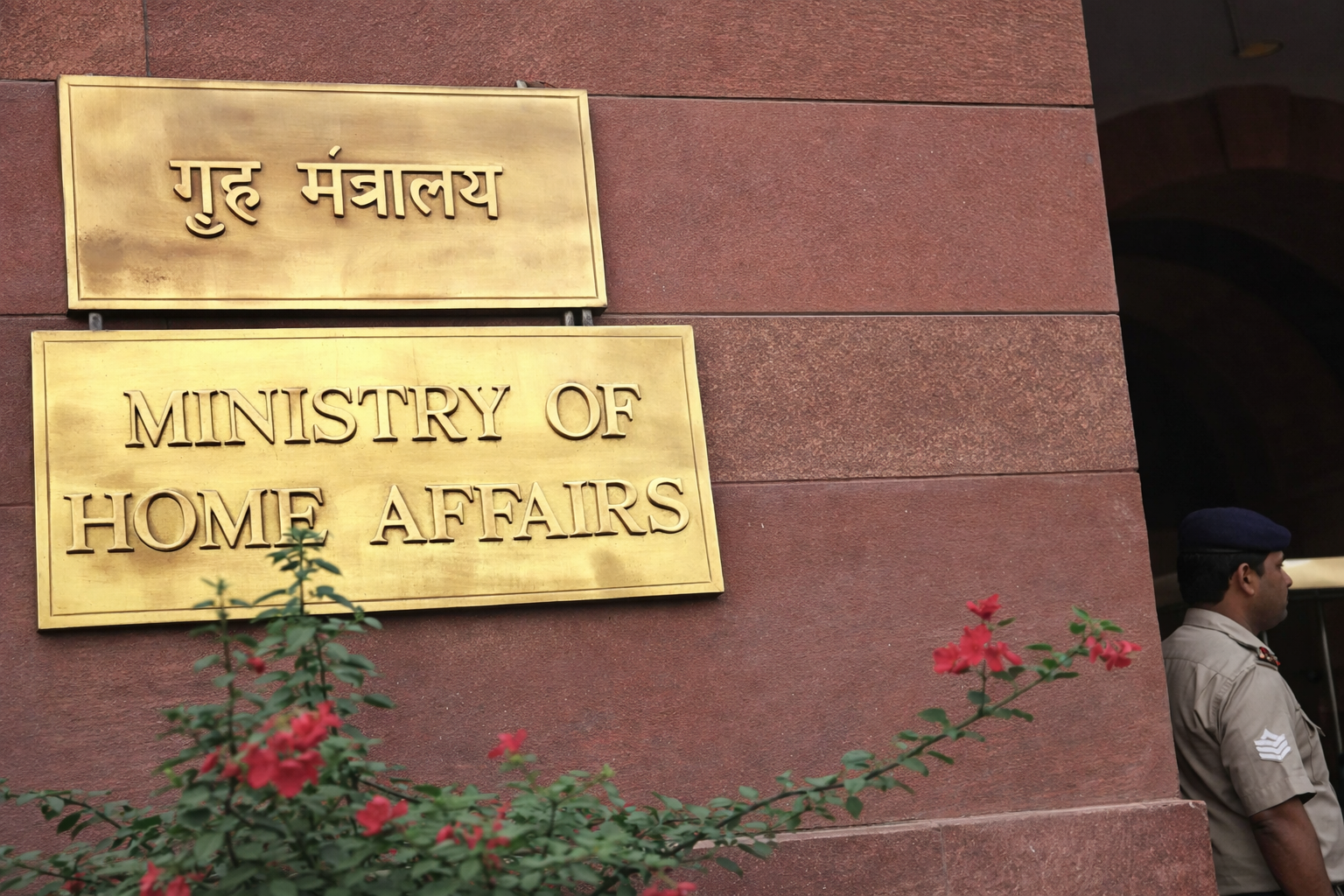
The article discusses a significant shift in India's cadre allocation policy for civil services, particularly the Indian Administrative Service (IAS) and Indian Forest Service (IFS). The new framework aims to introduce a more transparent and equitable system for assigning candidates to different regions. Below is a detailed analysis based on the content:
Key Arguments
- Revocation of Alphabetical Allocation System: The new policy replaces the earlier alphabetical cadre allocation method with a zonal structure. This change is intended to balance the distribution of candidates across regions more effectively.
- Introduction of New Zones: The policy divides India into six groups based on geographical regions (e.g., Group I for states like Arunachal Pradesh, Assam, and Meghalaya, Group II for states such as Gujarat, Haryana, Himachal Pradesh, and Punjab). The idea behind this restructuring is to ensure regional balance in the allocation of candidates.
- Rationale for the Change: The Department of Personnel and Training (DoPT) stresses the importance of creating a system that provides more transparency and accountability, particularly in ensuring that the most successful candidates are allocated fairly based on their ranks.
- Implementation Details: The new cadre allocation system will proceed through a rotational cycle and will rely on the consideration of multiple factors, such as merit rank and reservation categories. States are encouraged to submit their vacancy distributions by January 31 each year to align with the Civil Services Examination timetable.
- Special Focus on Disadvantaged Groups: There is an emphasis on ensuring representation for candidates from economically weaker sections (EWS), Scheduled Castes (SCs), Scheduled Tribes (STs), and Other Backward Classes (OBCs), aiming for a more inclusive distribution.
The Author’s Stance and Biases
The tone of the article is largely factual, but it leans towards presenting the policy change in a positive light, focusing on its benefits in terms of transparency and fairness. However, the article does not critically address potential drawbacks or challenges in implementing such a significant policy change, such as administrative hurdles or resistance from various states.
Pros
- Enhanced Regional Fairness: By abolishing the alphabetical allocation, the policy potentially eliminates biases that may have previously skewed cadre assignments.
- Improved Transparency: The shift to a zonal model is likely to reduce the opacity of the allocation process, addressing concerns about favoritism or lack of accountability.
- Inclusive Representation: The focus on ensuring fair representation for backward classes and economically weaker sections is a positive step toward addressing social inequalities in the civil services.
- Dynamic Policy Structure: The rotational cycle for allocation will allow for adjustments over time, adapting to changing demographic and socio-political realities.
Cons
- Implementation Challenges: While the policy appears to be a positive step toward regional equity, it may encounter practical challenges in execution. Aligning state governments to submit their vacancy distributions accurately by January 31 could prove difficult.
- Impact on Aspirants: The introduction of a zonal system may lead to confusion or dissatisfaction among candidates who were accustomed to the earlier alphabetical allocation system. Additionally, aspirants may be negatively impacted by a perceived lack of transparency in the new rotational system.
- Complexity of Vacancies and Rotation: The rotational allocation system, although equitable, might complicate the allocation process further, especially when trying to account for category-wise reservations and other structural inequalities.
- Geographical Imbalance: Despite efforts to balance regions, some states may still be underrepresented, particularly smaller or less developed regions that may struggle to attract talented candidates.
Policy Implications
This shift in the cadre allocation system is aligned with the broader goals of the government to make civil services recruitment and allocation more transparent, inclusive, and merit-based. The policy is likely to have long-term implications for the administrative efficiency of Indian civil services and may set a precedent for future governance reforms. Additionally, it might impact the distribution of civil servants across states and could lead to more localized representation.
Real-World Impact
For the UPSC aspirants, this policy change may have a direct impact on their career paths, particularly in terms of the regions they may be allocated to. The new system’s focus on merit-based, regional allocation may reduce instances of aspirants being allocated to regions far removed from their home state. However, this could also result in an increased sense of competition for certain zones.
UPSC GS Paper Alignment
The topic relates to GS Paper II (Governance, Constitution, Polity, Social Justice), as it discusses governance reforms and the inclusion of marginalized groups in the civil services, an important aspect of good governance. The policy also ties into Social Justice by emphasizing representation for economically weaker sections and other underrepresented groups in the administrative structure. Furthermore, this policy could be relevant to GS Paper II’s Role of Civil Services in fostering balanced regional development and transparency.
Conclusion and Future Perspectives
While the new cadre allocation policy shows promise in terms of fairness and transparency, its success will largely depend on the effective implementation by state governments and the adaptability of the system. Future revisions may address any challenges that arise during the initial rollout phase. For UPSC aspirants, understanding these changes will be crucial as it could shape the allocation of resources and personnel in the future civil services structure.
In the long term, if successfully implemented, this policy could improve the inclusivity and equity of India's civil services and set the stage for further reforms in the public sector. However, continuous monitoring and adjustments will be necessary to address any emerging issues and to maintain the fairness and transparency that the policy seeks to promote.
