

Constitutional Autonomy & Procedural Safeguards: Institutional Dynamics of the Election Commission of India (ECI)

● Context & Core Issue: Recent revelations concerning internal dissents within the
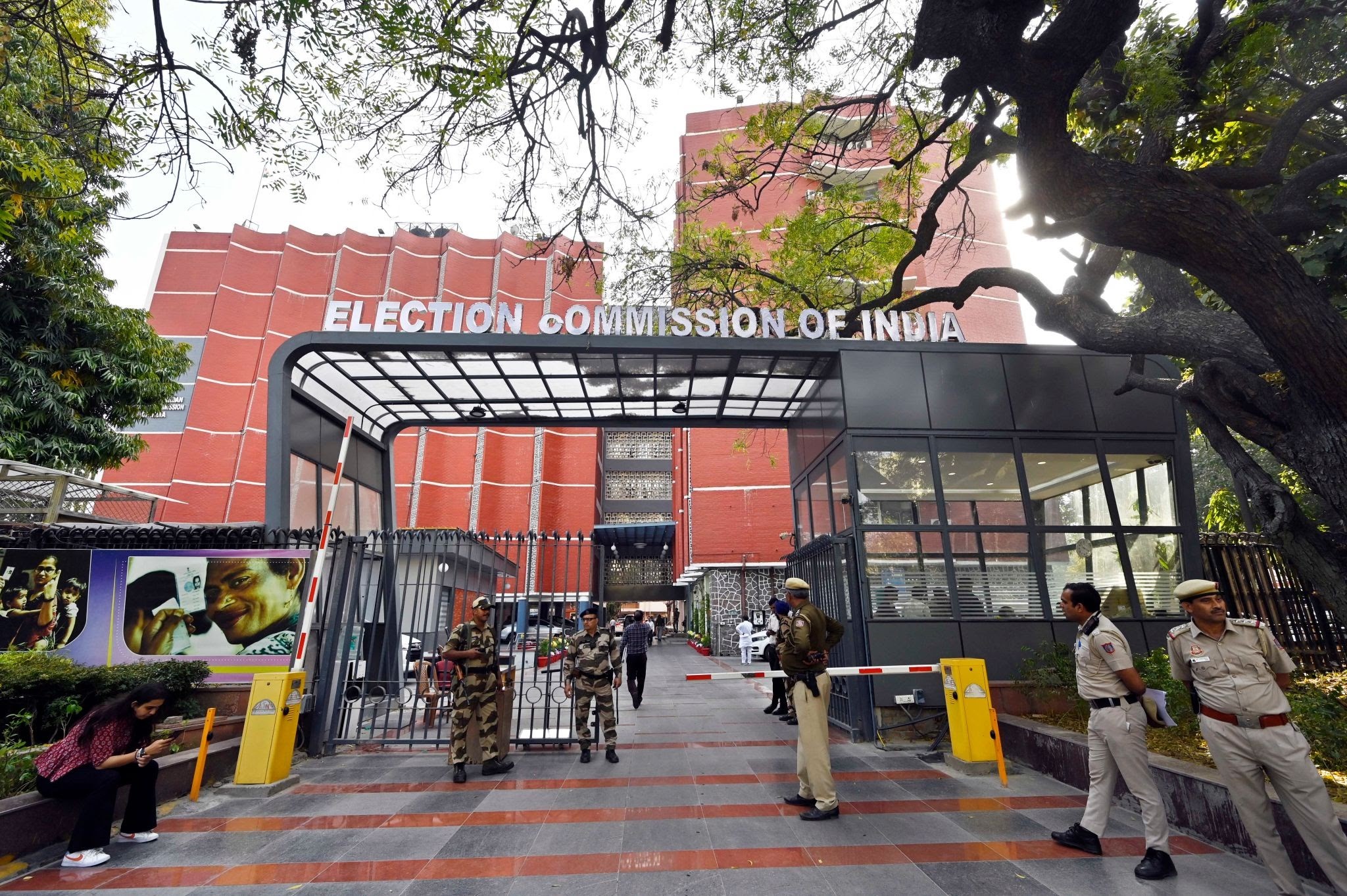
Election Commission of India (ECI) on critical administrative decisions under the Chief Election Commissioner (CEC) have brought institutional decision-making mechanisms under Article 324 and the statutory framework of the multi-member body into sharp focus.
 |
● Constitutional Architecture & Statutory Framework:
○ Institutional Evolution: ECI transitioned from a single-member body to a multi-member commission (1989 notification, institutionalized by the 1993 Act). Under statutory rules governing terms of service, decisions are taken unanimously or, in case of divergent views, decided by majority vote, ensuring the CEC remains primus inter pares (first among equals) rather than a hierarchical superior.
○ Asymmetry in Removal Safeguards: Under Article 324(5), the CEC enjoys constitutional tenure protections equivalent to a Supreme Court judge
(impeachment via Article 124(4)). In contrast, other Election Commissioners can be removed by the President solely on the recommendation of the CEC, creating a structural asymmetry in operational independence.
○ Appointment Precedents: The debate continues post-Anoop Baranwal v. Union of India (2023) and subsequent statutory enactments, focusing on executive primacy versus an independent selection panel to insulate the watchdog from partisan influence.
● Real-World Administrative & Governance Application:
○ Institutional Credibility & Dissent Recording: Mandating the institutional recording and public transparency of dissenting opinions inside the Commission builds public trust in Model Code of Conduct (MCC) enforcement and delimitation exercises.
○ Model of Internal Checks: Prevents unilateral executive-aligned decision-making in contentious decisions such as scheduling multi-phase elections, party symbol disputes, and electoral roll sanitization drives.
● Editorial Perspectives & Counter-Arguments:
○ The "Single-Voice" Imperative: Editorial commentary often contends that public disclosure of dissent within an election watchdog risks eroding institutional authority and confusing field machinery during high-stakes election windows.
○ The Transparency Imperative: Modern administrative jurisprudence argues that recorded, reasoned dissents reinforce public faith by demonstrating rigorous internal scrutiny rather than compliant rubber-stamping.
● Probable Mains Question (GS Paper II):"The efficacy of the Election Commission of India lies not merely in its constitutional mandate under Article 324, but in the institutional autonomy and internal democracy of its multi-member framework." Critically examine the structural vulnerabilities in the functioning and independence of the ECI. (15 Marks, 250 Words)
Sources: The Indian Express, The Hindu, Constitutional Provisions.
