

Antibiotic Resistance: Rising Threat to India’s Health Security

Antibiotic Resistance: Rising Threat to India’s Health Security
Context
An ICMR study across 20 tertiary-care hospitals involving 1,59,336 patients found that infections caused by carbapenem-resistant bacteria are associated with higher mortality, longer hospitalisation and greater treatment costs.
Key Findings
- Major bacteria studied: E. coli, Klebsiella pneumoniae, Acinetobacter baumannii and Pseudomonas aeruginosa.
- Carbapenem-resistant infections showed higher mortality than drug-susceptible infections.
- Among bloodstream infections, mortality reached 50.8% for A. baumannii.
- More than 85% of bloodstream infections across the four bacteria were healthcare-associated.
- Resistant infections substantially increased antibiotic costs, adding to the financial burden on patients and the health system.
Why Carbapenem Resistance Matters?
Carbapenems are powerful broad-spectrum antibiotics generally reserved for severe infections when other drugs fail. Resistance to them leaves doctors with fewer effective treatment options and increases the risk of treatment failure.
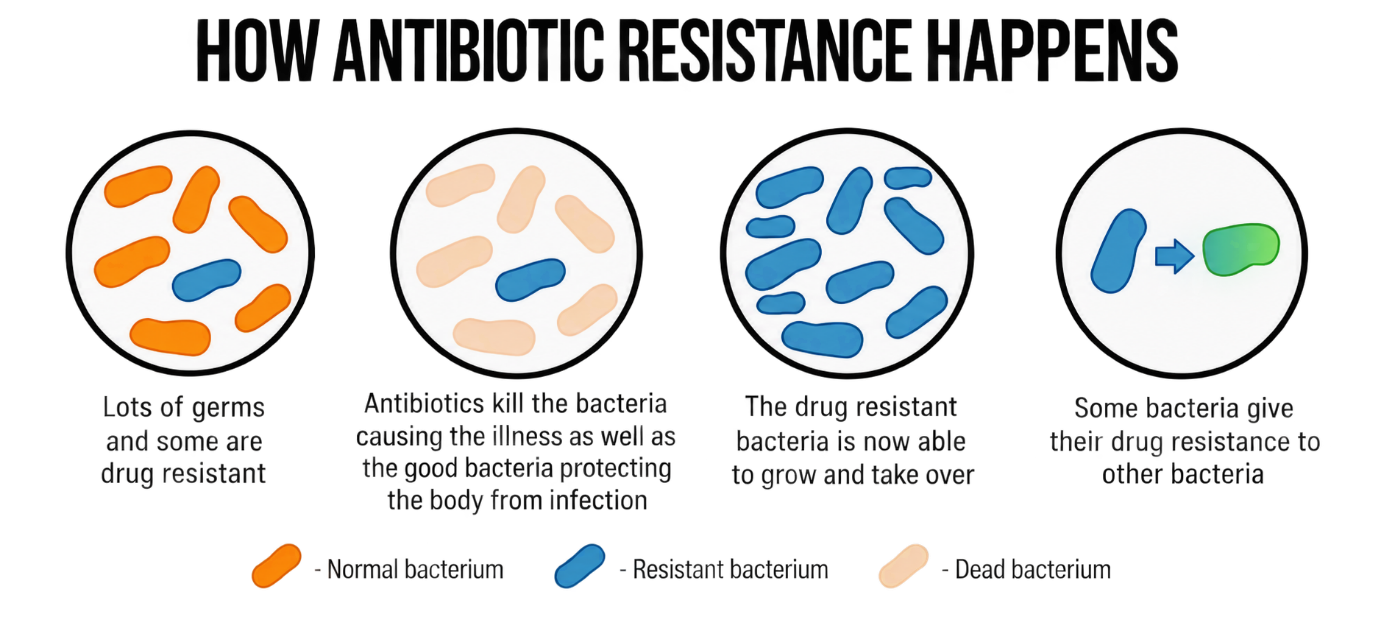
Major Drivers
- Overuse and inappropriate use of antibiotics.
- Poor hospital infection-control practices.
- Inadequate sanitation and hygiene.
- Healthcare-associated transmission.
- Invasive medical devices and recent surgeries.
- Antibiotic use in agriculture.
- Delayed or inadequate diagnosis.
Concerns
AMR is not merely a problem of excessive antibiotic consumption. The study highlights gaps in infection prevention, hospital hygiene and timely diagnosis. The actual economic burden is likely much higher because the study excluded ICU, diagnostic, bed, procedure and supportive-care costs.
Way Forward
- Strengthen Infection Prevention and Control (IPC) in hospitals.
- Promote hand hygiene, environmental cleaning and safe surgical practices.
- Prevent device-associated infections and remove invasive devices early.
- Expand rapid and accurate diagnostic testing.
- Ensure targeted antibiotic therapy instead of unnecessary broad-spectrum use.
- Strengthen AMR surveillance linking laboratory data with treatment and patient outcomes.
- Promote rational antibiotic use under an integrated One Health approach covering humans, animals and the environment.
Conclusion
AMR cannot be addressed simply by developing new antibiotics. Preventing infections, diagnosing them early and preserving existing antibiotics are essential to protect India’s health security and reduce both mortality and healthcare costs.
