

Gig workers are recognised, at last, as human
The Statesman
Context and Central Argument
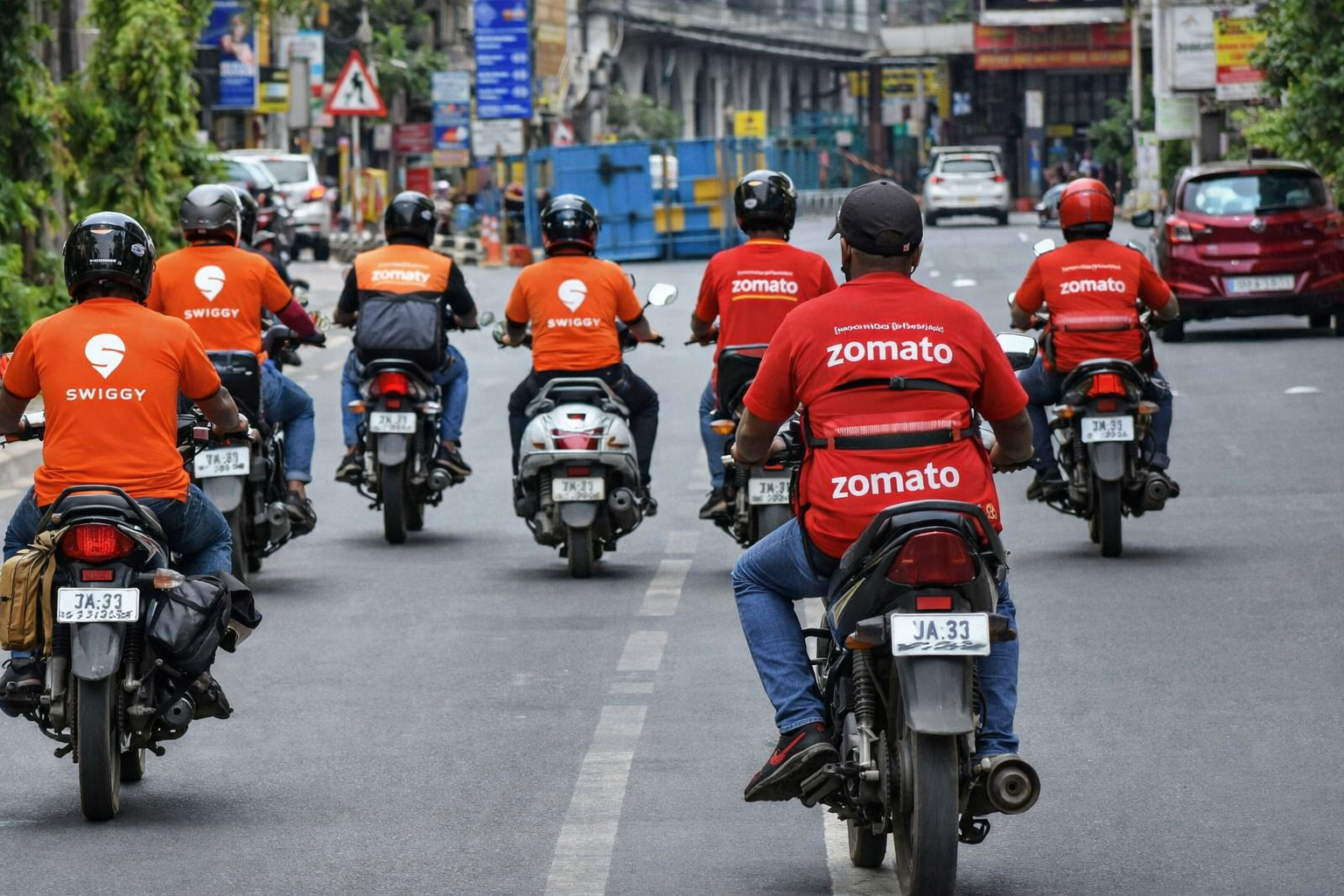
The article addresses the evolving recognition of gig workers in India, marking a shift from viewing them as mere algorithm-managed service providers to acknowledging them as human workers with dignity, vulnerabilities, and rights. It situates this recognition within the broader contradictions of platform capitalism, where efficiency and convenience are achieved at the cost of labour security, transparency, and social protection.
The core argument is that formal recognition is a moral and political milestone, but it remains incomplete without enforceable rights, institutional accountability, and regulatory clarity.
Key Arguments Presented
1. Illusion of Flexibility in Gig Work
The author challenges the narrative that gig work offers autonomy and flexibility. In practice, workers operate under:
- Algorithmic control
- Volatile earnings
- Absence of predictable work hours
The “freedom” promised by platforms is portrayed as conditional and asymmetrical, benefiting consumers and companies more than workers.
2. Algorithmic Management as Invisible Control
A central argument is that algorithms now function as opaque employers:
- Ratings, incentives, and penalties are non-transparent
- Sudden deactivation or reduced visibility acts as informal termination
- Workers bear all risks without decision-making power
This creates a power imbalance without accountability.
3. Recognition Without Enforcement
While recent legal and policy steps acknowledge gig workers as a distinct category, the article argues that:
- Social security provisions remain optional or weakly enforced
- Platforms externalise costs of accidents, health, and downtime
- The state’s role is still largely facilitative rather than protective
Recognition is thus symbolic rather than transformative.
4. Moral Reframing of Labour
The article’s strongest intervention is normative: it frames gig work as a question of human dignity, not merely labour market efficiency. It asserts that convenience-driven growth cannot justify systemic precarity.
Author’s Stance
The author adopts a labour-centric, ethical stance, clearly sceptical of platform narratives. The position is reformist rather than anti-market:
- Platforms are not rejected outright
- The demand is for regulation, transparency, and shared responsibility
The tone is empathetic towards workers and critical of state and corporate complacency.
Biases and Assumptions
1. Pro-worker Normative Bias
The article foregrounds worker vulnerability and may underplay:
- The role of gig work in absorbing urban unemployment
- Worker heterogeneity (students, part-time earners vs full-time dependents)
2. Limited Economic Trade-off Discussion
There is relatively less engagement with:
- Platform sustainability
- Cost escalation for consumers
- Employment elasticity if compliance costs rise
3. State Capacity Assumption
The article assumes effective enforcement once laws exist, underestimating administrative and inter-state coordination challenges.
Pros of the Argument
- Humanises an otherwise technocratic labour debate
- Clearly exposes algorithmic opacity as a governance issue
- Aligns labour rights with constitutional values of dignity and equality
- Highly relevant for contemporary labour reforms discourse
Cons and Gaps
- Limited empirical differentiation among gig workers
- Insufficient engagement with global best practices and comparative models
- Focuses more on diagnosis than on institutional design solutions
Policy Implications
1. Labour Regulation
- Clear employer–platform accountability norms
- Mandatory disclosure of algorithmic logic affecting pay and ratings
2. Social Security Architecture
- Universal, portable social security for gig workers
- Shared contribution model involving platforms, state, and workers
3. Governance and Enforcement
- Dedicated grievance redressal mechanisms
- Data transparency audits and algorithmic oversight
Real-World Impact
If acted upon meaningfully, the recognition could:
- Improve income stability and occupational safety
- Reduce attrition and worker distress
- Rebalance power between platforms and labour
If left symbolic, it risks deepening cynicism and reinforcing precarious informality in a digital guise.
UPSC GS Paper Alignment
GS Paper III – Indian Economy
- Informal sector and labour reforms
- Gig economy and employment trends
GS Paper II – Governance
- Role of the state in regulating markets
- Accountability in digital governance
GS Paper IV – Ethics
- Human dignity, fairness, and distributive justice
- Ends vs means in economic growth
Balanced Conclusion and Future Perspective
The article succeeds in reframing gig workers not as data points in an efficiency model, but as citizens whose labour underpins the digital economy. Recognition is an essential first step, but without enforceable rights, transparent algorithms, and shared social responsibility, it risks remaining rhetorical. For India’s development trajectory, the challenge is clear: a future of work that is technologically advanced yet ethically grounded. How the state navigates this balance will shape not only labour markets, but the moral character of India’s digital growth.
