

How Sufi poet Bulleh Shah blended religious beliefs and challenged orthodoxy
Indian Express
Overview of the Article
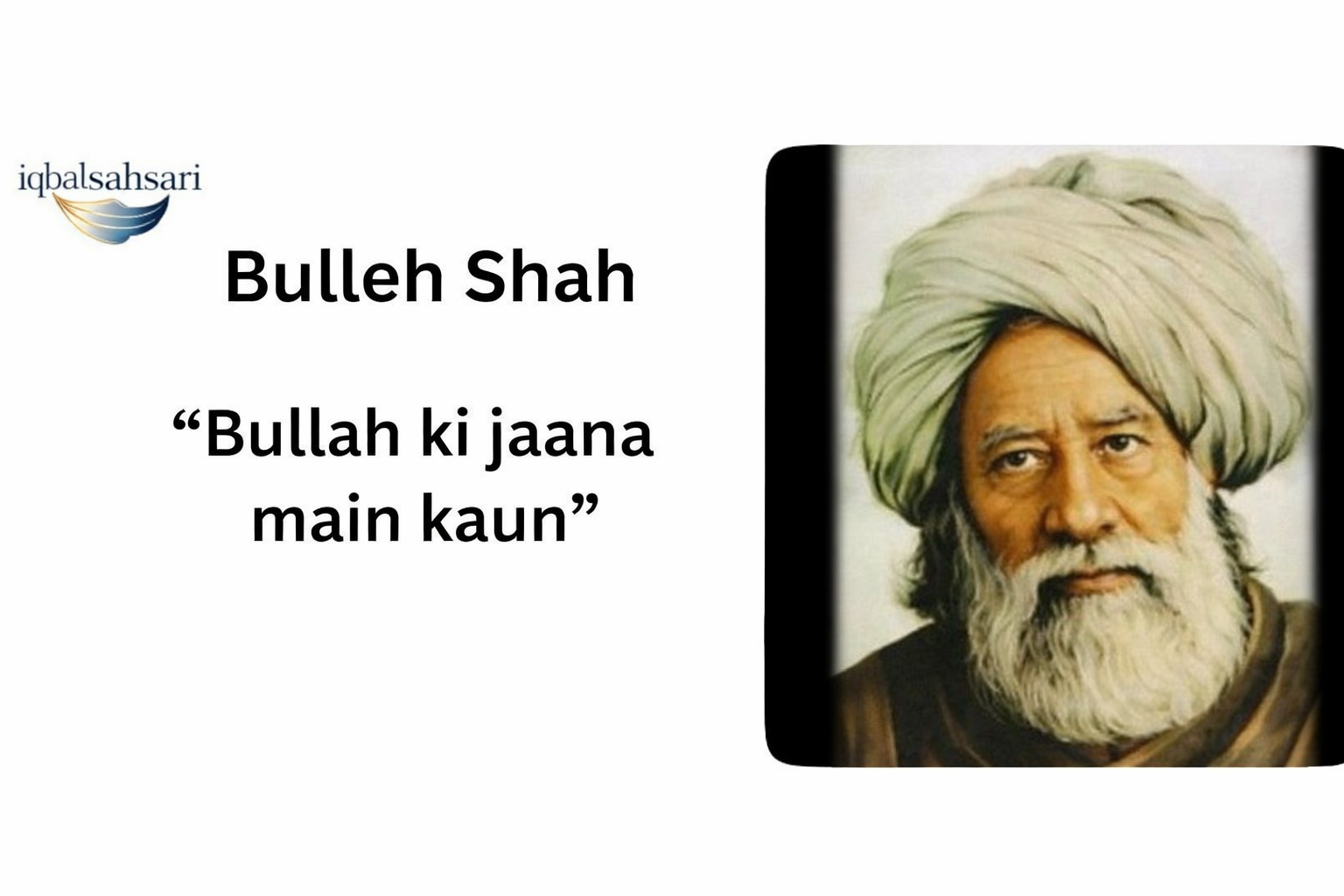
The article explores the life, philosophy and enduring relevance of Bulleh Shah, the 17th–18th century Punjabi Sufi poet. Using the recent vandalism of his shrine as a contemporary hook, it situates Bulleh Shah within the Bhakti–Sufi syncretic tradition, highlighting how his poetry questioned religious orthodoxy, caste hierarchies and patriarchal norms while emphasising inward spirituality and humanism.
Key Arguments
Rejection of religious orthodoxy
Bulleh Shah consistently critiqued ritualism, clerical authority and rigid interpretations of Islam, arguing that true spirituality lay in self-realisation rather than external practices.
Syncretism and interfaith harmony
His poetry blurred boundaries between Hindu and Islamic traditions, drawing from Bhakti influences and addressing the divine in inclusive, non-sectarian terms.
Challenge to caste and patriarchy
The article underscores how Bulleh Shah defied caste hierarchies by becoming a disciple of a lower-caste spiritual guide and used metaphors that questioned patriarchal norms and social control.
Humanist spirituality
Bulleh Shah’s message centred on compassion, love, humility and the moral worth of the individual, positioning him as a voice of social conscience rather than theological dogma.
Contemporary relevance
The vandalism of his shrine is presented as symbolic of modern intolerance, contrasting sharply with the inclusive ethos Bulleh Shah represented.
Author’s Stance and Bias
Stance
The author adopts a reverential and affirmative stance towards Bulleh Shah, portraying him as a timeless moral and cultural figure whose ideas remain relevant in an age of religious polarisation.
Biases
Orthodox religious traditions are largely framed as restrictive and exclusionary, while syncretic spirituality is valorised. The article prioritises cultural-humanist interpretation over theological nuance.
Pros Highlighted
Cultural integration
The article effectively situates Bulleh Shah within India’s composite cultural heritage, reinforcing pluralism as a historical norm.
Social critique through literature
It highlights poetry as a vehicle for social reform, resistance and moral questioning.
Contemporary resonance
By linking past ideas to present-day intolerance, the article enhances relevance for modern readers.
Limitations and Gaps
Romanticisation risk
The portrayal risks idealising Sufi traditions without adequately acknowledging historical tensions and contestations.
Limited socio-political context
The broader political economy and power structures of Mughal-era Punjab are only lightly touched upon.
Absence of counter-perspectives
Orthodox positions are not examined in depth, leading to a largely one-sided narrative.
Policy and Societal Implications
Cultural pluralism
The article reinforces the need to protect syncretic cultural traditions as part of India’s intangible heritage.
Education and curriculum
Inclusion of figures like Bulleh Shah can strengthen values of tolerance, critical thinking and social harmony.
Heritage protection
The vandalism episode highlights the need for stronger institutional mechanisms to protect cultural and religious sites.
Real-World Impact
The continued popularity of Bulleh Shah’s poetry across borders underscores the power of shared cultural memory. In contemporary India and South Asia, his ideas offer a counter-narrative to identity-based polarisation and can inform debates on secularism, social justice and freedom of expression.
UPSC GS Paper Linkages
GS Paper I – Art and Culture
Bhakti–Sufi traditions, syncretism, medieval cultural movements.
GS Paper I – Society
Caste, patriarchy, social reform movements.
GS Paper IV – Ethics
Humanism, moral philosophy, tolerance, compassion.
Conclusion and Future Perspective
The article positions Bulleh Shah as more than a historical poet—he emerges as a moral voice challenging rigid identities and social hierarchies. While the narrative leans towards idealisation, it effectively reminds readers that India’s cultural past is rich in traditions of dissent, dialogue and inclusivity. In an era marked by cultural contestation, revisiting figures like Bulleh Shah offers ethical and civilisational resources for building a more tolerant public sphere.
