

Salaam Alaikum, Lyari
The Tribune
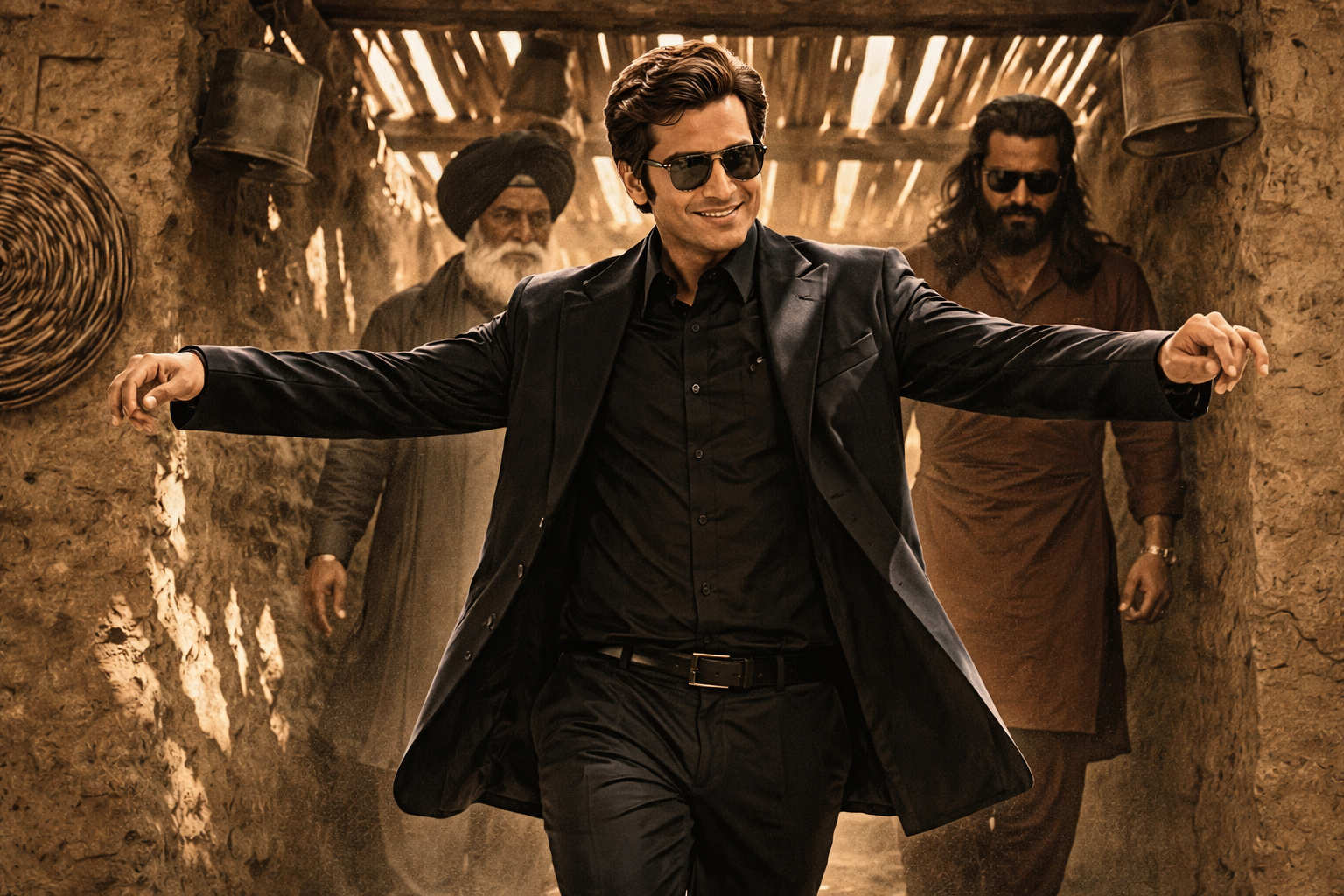
Key Arguments
- Characterization and Performances:
The article centers around the portrayal of characters in Bollywood, with a particular focus on the actor’s performances. The critic highlights how the nuances of acting, particularly by an actor playing a character akin to someone from Karachi or Lyari, are critical to understanding the film’s deeper message about society and its struggles. - Political and Cultural Context:
The critic touches upon the political and cultural implications of the film's narrative, exploring themes like socio-economic conditions, regional tensions, and the clash between different societal groups. The criticism suggests a complex portrayal of everyday life in Karachi, particularly the way individuals from marginalized communities are depicted in mainstream cinema. - Cinematic Techniques and Impact:
The article underscores the technical aspects of the film, including its cinematography, editing, and direction, and how these elements play a role in immersing the audience in the cultural and political landscape of the film. The critic also reflects on the broader cultural impact of the film and its potential to spark discourse on the realities of life in regions like Lyari. - Nostalgia and Social Realism:
There’s also an element of nostalgia embedded in the article, reflecting on the classic portrayals of Karachi in Bollywood films of the past. The article compares the current portrayal with earlier representations, touching on the social realism that the movie invokes.
Author's Stance and Biases
- Favorable Critique of Performances:
The tone of the article indicates an admiration for the actor’s ability to portray a character rooted in Karachi’s socio-political reality. While the review is generally positive about the performances, it implicitly leans towards highlighting the authenticity and depth of the acting without critiquing areas that may be considered problematic or overly sensationalized in mainstream cinema. - Political and Cultural Undercurrents:
The author's focus on the political and cultural aspects might suggest a bias towards portraying the region in a way that aligns with certain geopolitical perspectives. The narrative could be critiqued for possibly romanticizing or oversimplifying the tensions between Karachi, Lyari, and the globalized world. It could also be critiqued for inadvertently reinforcing stereotypes related to marginalized regions.
Pros and Cons
Pros:
- Deep Exploration of Character Development:
The article effectively showcases the importance of character development in cinema, particularly in films that attempt to capture complex social realities. - Cultural Relevance:
The discussion brings attention to the importance of reflecting authentic cultural identities in films, which can create a stronger connection with the audience and promote cultural dialogue. - Connection to Regional Identity:
The article’s focus on Karachi and Lyari highlights the socio-political implications of filmmaking in underrepresented regions. This can stimulate broader conversations on how film can be a vehicle for change.
Cons:
- Lack of Critical Analysis of Broader Themes:
While the review delves into performances and cultural depictions, it doesn’t critically explore the broader societal issues, such as the socio-economic impact of cinema, the commercialization of regional stories, or the potential for reinforcing negative stereotypes. - Potential Oversimplification:
The review risks oversimplifying the political and cultural tensions between different regions by not offering a balanced critique of how the film may, or may not, contribute to a more nuanced understanding of the socio-political issues in Karachi and Pakistan at large. - One-Dimensional Focus:
The review is heavily centered on the actor’s portrayal, neglecting other aspects like the writing, direction, and overall impact of the film on national discourse. A more holistic critique would consider all dimensions of the film, including its narrative and thematic elements.
Policy Implications and Real-World Impact
- Cultural Diplomacy:
Bollywood films often serve as a powerful tool for cultural diplomacy, influencing how regions and their inhabitants are perceived by the global audience. The depiction of marginalized regions like Lyari in mainstream cinema could contribute to a greater understanding of their struggles. However, it also runs the risk of reinforcing stereotypes if not handled carefully. - Socio-Political Reflections:
Films that touch on political realities, especially those dealing with regional conflicts or socio-economic issues, can influence public opinion and spark discourse on governance, inequality, and the role of cinema in political expression. A more critical view of the film could help viewers engage with the nuances of these issues. - Media Representation and Responsibility:
The way marginalized communities are represented in media has significant real-world consequences, influencing policy, social structures, and public attitudes. Bollywood, being a major cultural export, has the responsibility to depict these communities with depth and accuracy rather than sensationalizing their struggles.
UPSCPerspective: Alignment with GS Papers
- GS Paper II (Governance, Constitution, and Polity): The review's exploration of political themes in cinema aligns with the UPSC focus on understanding societal structures, governance issues, and the role of media in shaping political narratives.
- GS Paper I (Indian Heritage and Culture): The review provides insights into how film as a cultural product reflects and influences societal values, making it relevant to the study of Indian culture, identity, and media representation.
- GS Paper IV (Ethics, Integrity, and Aptitude): The ethical implications of film representation, particularly regarding marginalized communities, have significant relevance in discussions about media ethics, integrity, and the social responsibility of artists and filmmakers.
Conclusion and Future Perspectives
The article presents a favorable but somewhat narrow view of a Bollywood film's portrayal of life in Karachi's Lyari. While the film’s cultural impact and character performances are acknowledged, the review would benefit from a broader critique that addresses the film’s potential to influence political discourse, societal perceptions, and the ethics of cultural representation. Going forward, cinema must strike a balance between authenticity and responsibility, ensuring that it contributes to meaningful conversations rather than reinforcing stereotypes.
In the future, filmmakers and critics alike must be mindful of the socio-political ramifications of cultural products, especially in a globalized world where narratives can transcend borders and impact international relations. A more nuanced approach to cultural representation, with a focus on avoiding oversimplifications and stereotypes, will be crucial for ensuring that cinema remains a force for positive change and understanding.
