

Defence production hits ₹1.51 lakh cr, exports near ₹24,000 cr, says Rajnath
The Tribune
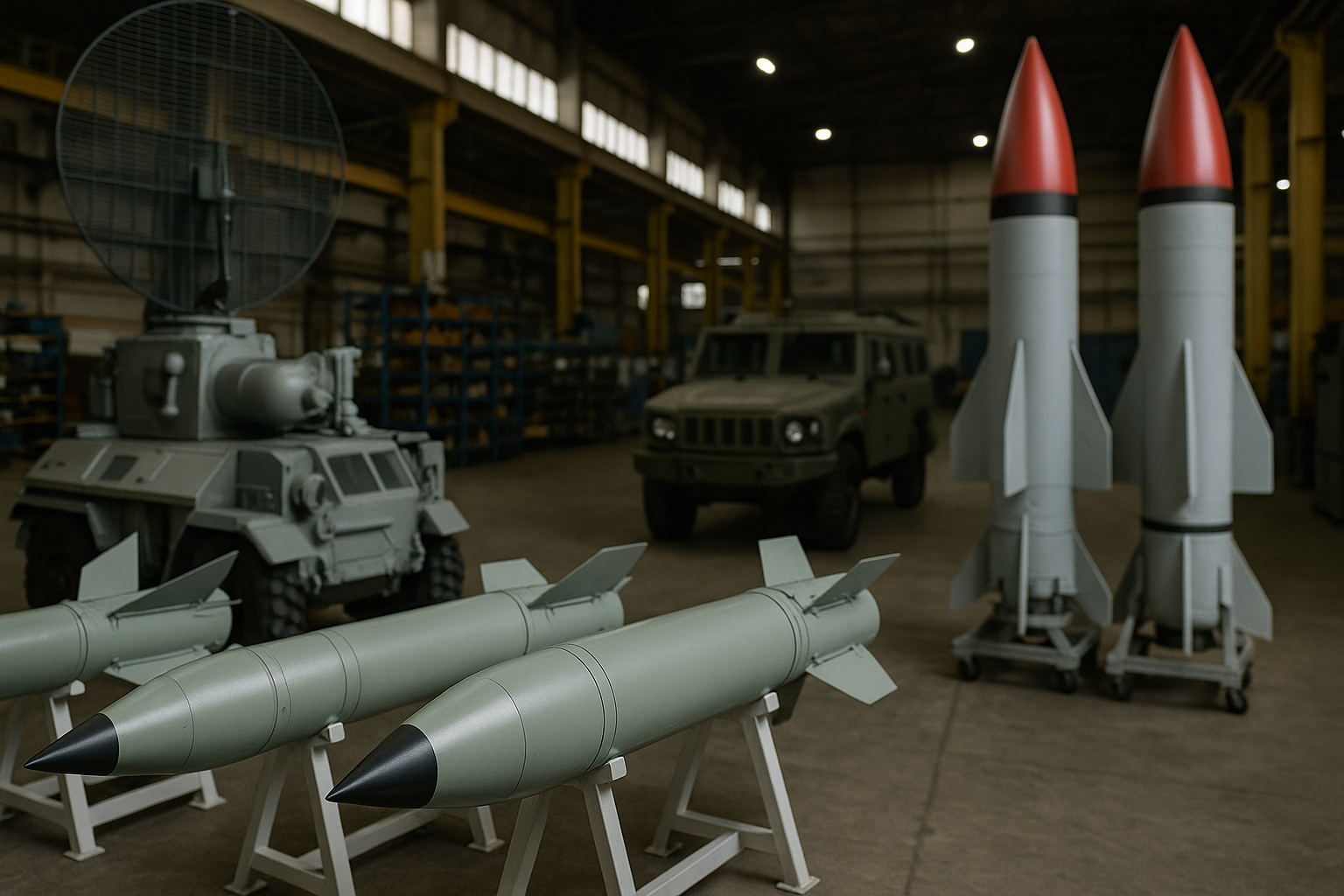
KEY ARGUMENTS PRESENTED
- Sharp Rise in Defence Production and Exports
The domestic defence sector has expanded significantly through policy reforms, increased private-sector participation, and a focus on indigenisation. - BRO’s Growing Strategic Role
The inauguration of 125 BRO projects across two UTs and seven states highlights accelerated capacity-building in border areas. - Indigenisation Through Modular Bridges and Engineering Solutions
The adoption of Class-70 modular bridges, developed in partnership with Indian shipbuilders and engineers, reflects technological self-reliance. - Improvement of Connectivity and Socio-Economic Growth in Border Areas
Roads, bridges, and tunnels are presented as essential for mobility, logistics, security operations, and local development. - Political Messaging on Terrorism and National Security
Operation Sindoor and references to security responses frame infrastructure development as part of India’s broader national security architecture. - Positioning Aatmanirbhar Bharat as the Driving Philosophy
Indigenous manufacturing is portrayed as a central pillar of India’s defence transformation.
AUTHOR’S STANCE AND POSSIBLE BIASES
- Government-Centric, Achievement-Focused Narrative
The article heavily reflects the government’s messaging without independent verification of data or alternative expert perspectives. - Positive Bias Toward Indigenisation Outcomes
While indigenisation is an important goal, the article underplays challenges such as quality control, R&D limitations, and dependence on imported components. - Absence of Critical Examination of BRO Delays and Execution Issues
BRO is praised without discussing cost overruns, environmental concerns, or long gestation periods often associated with border infrastructure projects. - Security-Oriented Framing
Infrastructure development is framed primarily as a national security imperative, with limited attention to environmental, social, or displacement-related implications.
PROS OF THE ARTICLE (Strengths)
1. Highlights Significant Structural Changes in Defence Manufacturing
The rise in domestic production and exports is a genuine transformation that signals reduced strategic vulnerability.
2. BRO Achievements Are Strategically Relevant
Improved connectivity in border regions strengthens national security and supports civilian populations.
3. Correct Emphasis on Aatmanirbhar Bharat and R&D
The manufacturing of modular bridges and advanced engineering solutions demonstrates technological progress.
4. Provides Clear, Quantitative Data Points
Key figures regarding investment, project completion, and export value improve the article’s factual clarity.
CONS OF THE ARTICLE (Critical Gaps and Shortcomings)
1. Lack of Independent Verification
The achievements are presented solely from the government’s viewpoint, without auditing or expert assessment.
2. No Discussion of Defence Procurement Challenges
Issues such as procurement delays, corruption probes, underutilisation of DRDO output, and limited private-sector scale-up are ignored.
3. Missing Context on Import Dependency
Despite progress, India remains one of the world’s largest arms importers. The article does not explore gaps in indigenous capability.
4. Limited Environmental and Social Impact Assessment
BRO projects often involve ecological disturbance, tribal displacement, and landslide risks—none of which find mention.
5. Absence of Long-Term Sustainability Analysis
The article does not evaluate whether current export levels are sustainable or dependent on geopolitical fluctuations.
6. Incomplete Picture of Defence Industrial Base
No details on:
– domestic supply-chain strength
– innovation ecosystem
– private-sector investment hurdles
– export competitiveness and pricing
– workforce skill gaps
POLICY IMPLICATIONS (UPSC GS-II & GS-III Alignment)
- Strategic Autonomy (GS-II: International Relations)
Increased defence self-reliance reduces vulnerability to foreign suppliers and improves strategic bargaining power. - Industrial Policy (GS-III: Economy & Manufacturing)
Defence sector growth can boost manufacturing, jobs, and technological innovation. - Border Infrastructure (GS-III: Disaster Management & Security)
BRO projects strengthen logistics for military operations while enhancing civilian access in remote regions. - Public Sector vs Private Sector Coordination
India must strengthen PPP models and integrate private firms into the defence ecosystem more systematically. - Technology Development and Innovation
Long-term sustainability requires:
– enhanced R&D
– defence startups
– greater DRDO–private collaboration
– easing testing and certification processes - Environmental & Social Governance (ESG)
Border infrastructure must be balanced with ecological protection, especially in the fragile Himalayas.
REAL-WORLD IMPACT ASSESSMENT
- Enhanced Operational Readiness
Better roads, bridges, and tunnels reduce response times for the armed forces. - Economic Development of Border Communities
Improved connectivity fosters tourism, trade, and employment. - Strengthening Geopolitical Position
Rising exports improve India’s stature as a defence supplier for the Global South. - Stimulation of Domestic Industry
Private firms, MSMEs, and ancillary industries benefit from defence procurement reforms. - Challenges Remain
– quality control in defence products
– reliance on imported raw materials
– slow pace of innovation
– lack of skilled manpower in advanced manufacturing
– bureaucratic hurdles in defence procurement
BALANCED CONCLUSION
The article effectively captures India’s growing confidence in defence production and infrastructure development, highlighting undeniable progress in indigenisation, export growth, and border connectivity. It serves as an important reminder of how policy reforms, sustained investment, and administrative focus can transform a sector once defined by import dependency.
However, the analysis remains one-sided and celebratory, offering insufficient scrutiny of structural challenges, environmental considerations, feasibility of sustained growth, and gaps in domestic capabilities. A balanced assessment must acknowledge that while India has made commendable strides, achieving genuine defence self-reliance requires deeper systemic reforms, stronger R&D ecosystems, transparent procurement processes, and a holistic view of long-term sustainability.
FUTURE PERSPECTIVES (UPSC Mains-Ready Insights)
- Expand defence innovation through iDEX, start-ups, and DRDO–private partnerships.
- Reduce component import dependency via targeted semiconductor, metallurgy, and electronics manufacturing strategies.
- Strengthen export competitiveness through bilateral defence cooperation and quality certification frameworks.
- Implement environmental safeguards for BRO projects in ecologically sensitive zones.
- Build a skilled workforce for defence manufacturing and advanced engineering.
- Improve procurement transparency to build global credibility.
- Monitor BRO progress with real-time GIS tools to enhance efficiency and oversight.
India’s defence rise is a pivotal moment—but sustaining it will require reforms as bold as the achievements celebrated today.
