

Dowry as a Cross-Cultural Crime: The Supreme Court Reasserts Constitutional Morality
The Hindu
I. Central Theme and Context
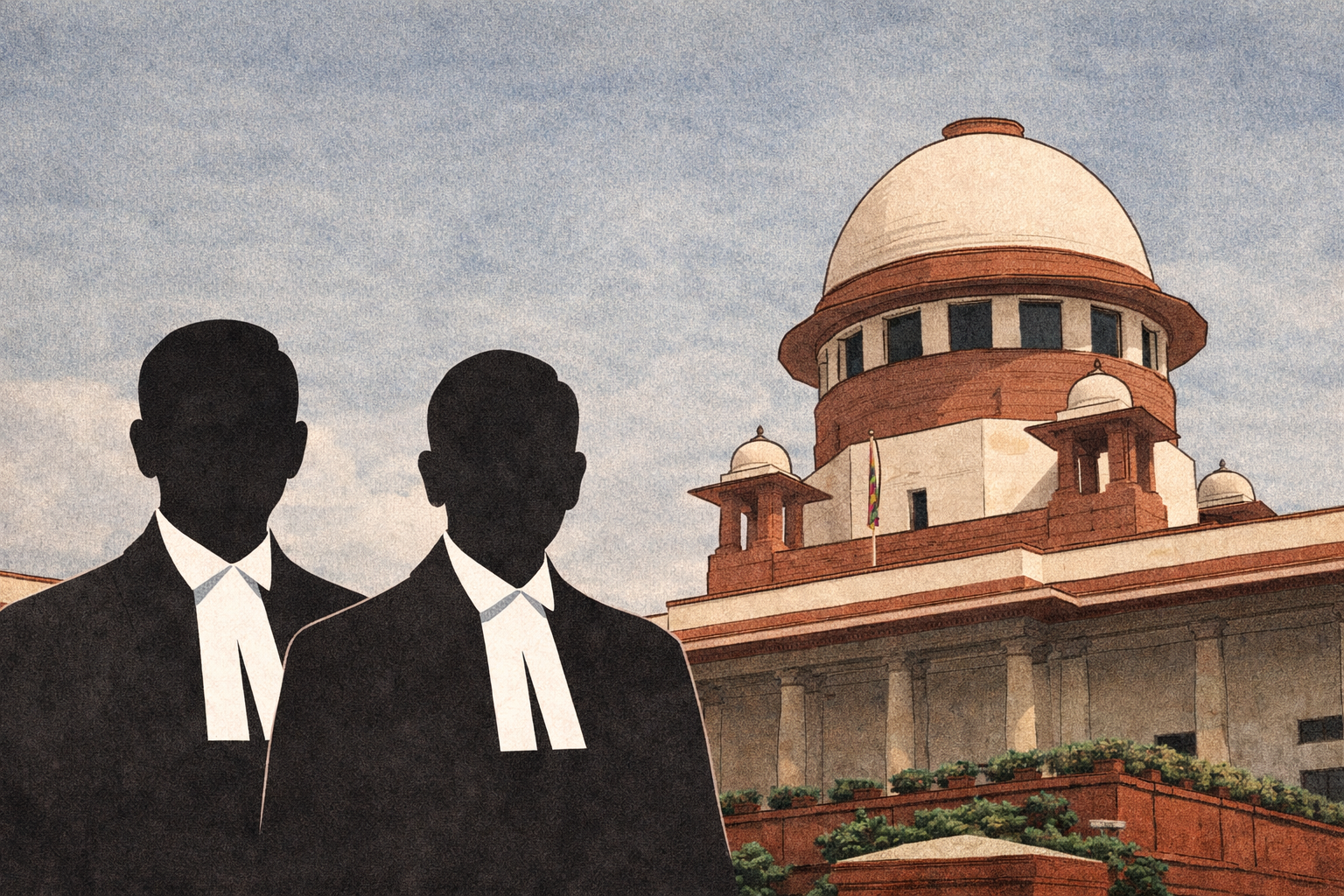
The article reports and interprets a significant Supreme Court judgment that categorically characterises dowry as a “cross-cultural evil”, cutting across religions, castes, and communities. The Court situates dowry not merely as a social practice but as a constitutional violation, incompatible with equality, dignity, and justice.
The wider context is India’s persistent struggle against entrenched patriarchal norms despite decades of legal prohibition, and the judiciary’s increasing role in invoking constitutional morality to reform social practices.
II. Key Arguments Presented
1. Dowry Is Not Community-Specific
The Court rejects the tendency to frame dowry as limited to particular religions or regions, underlining that it is a pan-Indian, cross-cultural practice rooted in patriarchy and social hierarchy.
2. Dowry Violates Core Constitutional Values
Dowry is framed as antithetical to Articles 14, 15, and 21, as it undermines equality between spouses, commodifies women, and erodes dignity within marriage.
3. Marriage as a Partnership of Equals
By emphasising equality between parties to a marriage, the judgment challenges the transactional logic that treats marriage as an economic alliance rather than a social partnership.
4. Structural and Educational Remedies
The Court goes beyond adjudication by directing governments to consider curriculum changes and administrative strengthening, signalling that criminal law alone is insufficient to eradicate dowry.
5. Institutional Accountability
Directions for prompt appointment of Dowry Prohibition Officers and better training of judicial and administrative personnel highlight implementation gaps in existing law.
III. Author’s Stance
The author adopts a supportive and reformist stance, endorsing the Court’s reasoning and portraying the judgment as a moral and constitutional reaffirmation. The tone suggests approval of judicial activism in addressing deep-rooted social evils.
IV. Biases and Editorial Slant
1. Normative Bias Towards Judicial Moral Leadership
The article strongly privileges the judiciary as a driver of social reform, with limited scrutiny of whether courts alone can effect behavioural change.
2. Limited Engagement with Misuse Debates
While focusing on victims of dowry, the piece does not substantially engage with debates around alleged misuse of dowry-related laws, which often feature in public discourse.
3. Emphasis on Legal-Educational Solutions
Economic drivers of dowry, such as marriage markets, status competition, and consumption patterns, receive comparatively less attention.
V. Strengths of the Article
1. Clear Constitutional Framing
The linkage of dowry to constitutional values strengthens the argument beyond moral condemnation.
2. Gender Justice Lens
The article foregrounds women’s vulnerability and economic disadvantage, aligning dowry with broader questions of gender inequality.
3. Action-Oriented Interpretation
By highlighting directions to governments and institutions, the piece moves beyond symbolism to governance implications.
VI. Weaknesses and Gaps
1. Limited Socio-Economic Analysis
The persistence of dowry as a function of social mobility, hypergamy, and consumerism could have been examined more deeply.
2. Enforcement Challenges Underplayed
The article assumes that stronger administration and education will translate into outcomes, without examining structural capacity constraints.
3. Rural–Urban and Class Variations
Differences in how dowry operates across regions and income groups are not fully explored.
VII. Policy Implications
Legal and Judicial Policy
• Reinforcement of constitutional morality in personal and family matters
• Strengthened accountability mechanisms under the Dowry Prohibition Act
Education Policy
• Integration of gender equality and constitutional values into school curricula
• Long-term norm change through civic education
Governance and Administration
• Need for effective appointment and training of Dowry Prohibition Officers
• Improved coordination between police, judiciary, and social welfare departments
VIII. Real-World Impact
Social Impact
• Normative delegitimisation of dowry across communities
• Greater empowerment of women to challenge coercive marital practices
Legal Impact
• Stronger judicial backing for dowry-related prosecutions
• Pressure on States to improve enforcement infrastructure
Cultural Impact
• Reframing dowry as unconstitutional rather than “customary”
• Potential pushback from conservative social norms, especially in arranged marriage systems
IX. UPSC GS Paper Alignment
GS Paper I – Indian Society
• Gender inequality and patriarchy
• Marriage, kinship, and social customs
GS Paper II – Polity & Governance
• Role of judiciary in social reform
• Fundamental Rights and constitutional morality
GS Paper IV – Ethics, Integrity & Aptitude
• Justice, dignity, and equality
• Ethical critique of social practices
X. Balanced Conclusion
The article convincingly presents the Supreme Court’s judgment as a reaffirmation that dowry is not a cultural idiosyncrasy but a systemic violation of constitutional values. By framing dowry as cross-cultural and unconstitutional, the Court strengthens the moral and legal foundations of India’s fight against this practice.
However, enduring social change will depend not only on judicial pronouncements but also on effective enforcement, economic empowerment of women, and sustained societal engagement. Courts can set norms, but society must internalise them.
XI. Future Perspectives
• Greater emphasis on economic independence and inheritance rights for women
• Community-level interventions alongside legal enforcement
• Monitoring of State compliance with court directives
• Long-term evaluation of curriculum reforms on gender attitudes
