

EU, US deals connect India to world’s largest markets, open new trade vistas
Indian Express
Context and Central Thesis
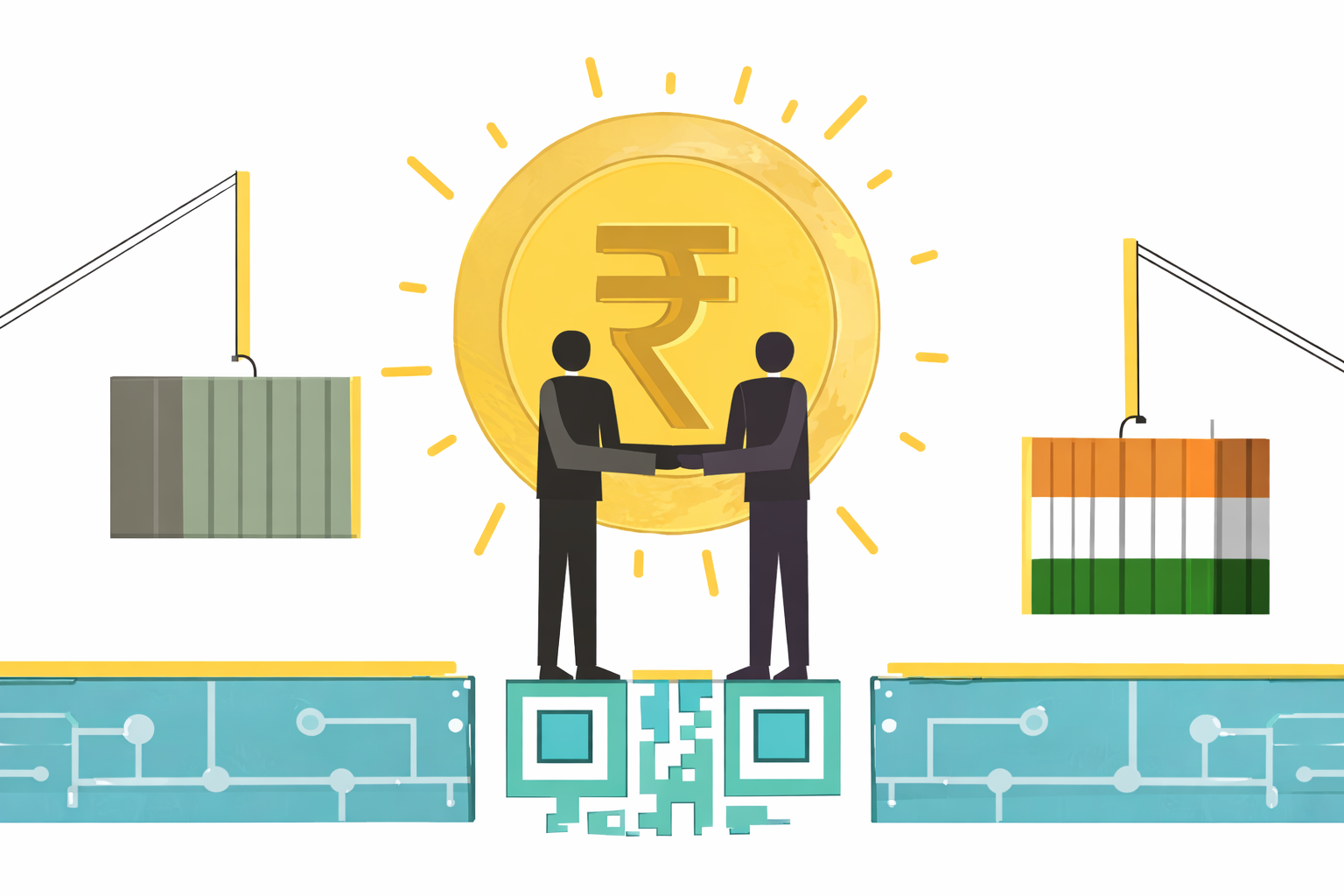
The article examines how India’s bilateral trade agreements with the European Union and the United States mark a strategic shift in India’s external economic engagement. It argues that these deals are not merely commercial instruments but tools of geopolitical positioning, supply-chain realignment, and long-term market access, connecting India decisively to the world’s largest consumer markets.
Key Arguments Presented
Bilateralism as a pragmatic trade strategy
The article contends that in a world where multilateral trade negotiations have stalled, bilateral and minilateral agreements offer India workable pathways to expand exports and integrate into global value chains.
EU and US as complementary gateways
While the EU deal promises broad-based market access and regulatory alignment, the US deal is portrayed as more strategic and phased, reflecting American protectionism. Together, they diversify India’s trade exposure and reduce dependence on any single bloc.
Export expansion and sectoral gains
India stands to gain in pharmaceuticals, textiles, chemicals, engineering goods, food products, and services. The article highlights how preferential access and tariff rationalisation can enhance India’s competitiveness in high-value markets.
Geopolitics driving trade convergence
The deals are situated within a larger geopolitical churn—supply-chain diversification away from China, reshaping of global trade routes, and the emergence of a new economic geography in South Asia and the Indo-Pacific.
Diplomatic credibility as economic capital
A key argument is that India’s ability to conclude parallel negotiations with the EU, US, UK, and other partners reflects growing diplomatic maturity and policy credibility.
Author’s Stance
The author adopts a clearly optimistic but measured stance. The tone is supportive of India’s trade diplomacy, viewing these agreements as structural enablers rather than short-term export boosters. However, the optimism is tempered with recognition that benefits will depend on domestic preparedness and implementation.
Biases and Perspective
Pro-global integration bias
The article strongly favours deeper integration with advanced economies, sometimes underplaying risks to vulnerable domestic sectors.
Export-led growth orientation
There is a clear belief that expanded market access will naturally translate into growth, with limited scrutiny of adjustment costs.
Diplomatic success framing
The narrative frames trade deals as validation of India’s foreign policy, which may gloss over negotiation asymmetries.
Pros and Cons Highlighted
Pros
- Access to the world’s largest and richest consumer markets
- Diversification of trade partners and reduced concentration risk
- Boost to export-oriented manufacturing and services
- Strategic positioning amid global supply-chain reconfiguration
Cons
- Adjustment pressures on MSMEs and sensitive sectors
- Compliance costs with higher regulatory standards
- Uneven sectoral and regional distribution of gains
- Risk of overdependence on bilateralism at the cost of multilateral norms
Policy Implications
Trade policy recalibration
India’s approach signals a shift from defensive protectionism to selective openness, requiring stronger domestic competitiveness.
Industrial and regulatory readiness
To leverage these deals, India must upgrade standards, logistics, skilling, and ease of doing business.
Strategic autonomy management
Deeper integration with Western markets must be balanced against policy flexibility and relations with other partners.
Federal and sectoral coordination
States and industries will play a critical role in translating trade access into actual exports.
Real-World Impact
- Exporters gain access to high-value markets but face compliance pressures
- Consumers may benefit from better-quality imports and competition
- MSMEs face both opportunities and adjustment challenges
- Government strengthens its geopolitical and economic leverage
UPSC GS Paper Alignment
GS Paper II (International Relations)
- Trade diplomacy and strategic partnerships
- India’s engagement with advanced economies
GS Paper III (Indian Economy)
- External sector and export-led growth
- Global value chains and industrial competitiveness
Essay Paper
- “Trade as an instrument of foreign policy”
- “Opportunities and challenges of global economic integration”
Balanced Conclusion and Future Perspective
The article persuasively argues that India’s EU and US trade deals open new trade vistas by embedding India more firmly into the world’s largest markets. These agreements enhance India’s strategic relevance and economic options in a fragmenting global order.
However, market access alone is not sufficient. The real test lies in domestic reform, competitiveness, and execution. If supported by infrastructure upgrades, regulatory coherence, and industrial capacity, these deals can anchor India’s long-term growth trajectory. If not, they risk becoming symbolic achievements rather than transformative economic tools.
