

Faith, dignity of labour and Dalit assertion
The Tribune
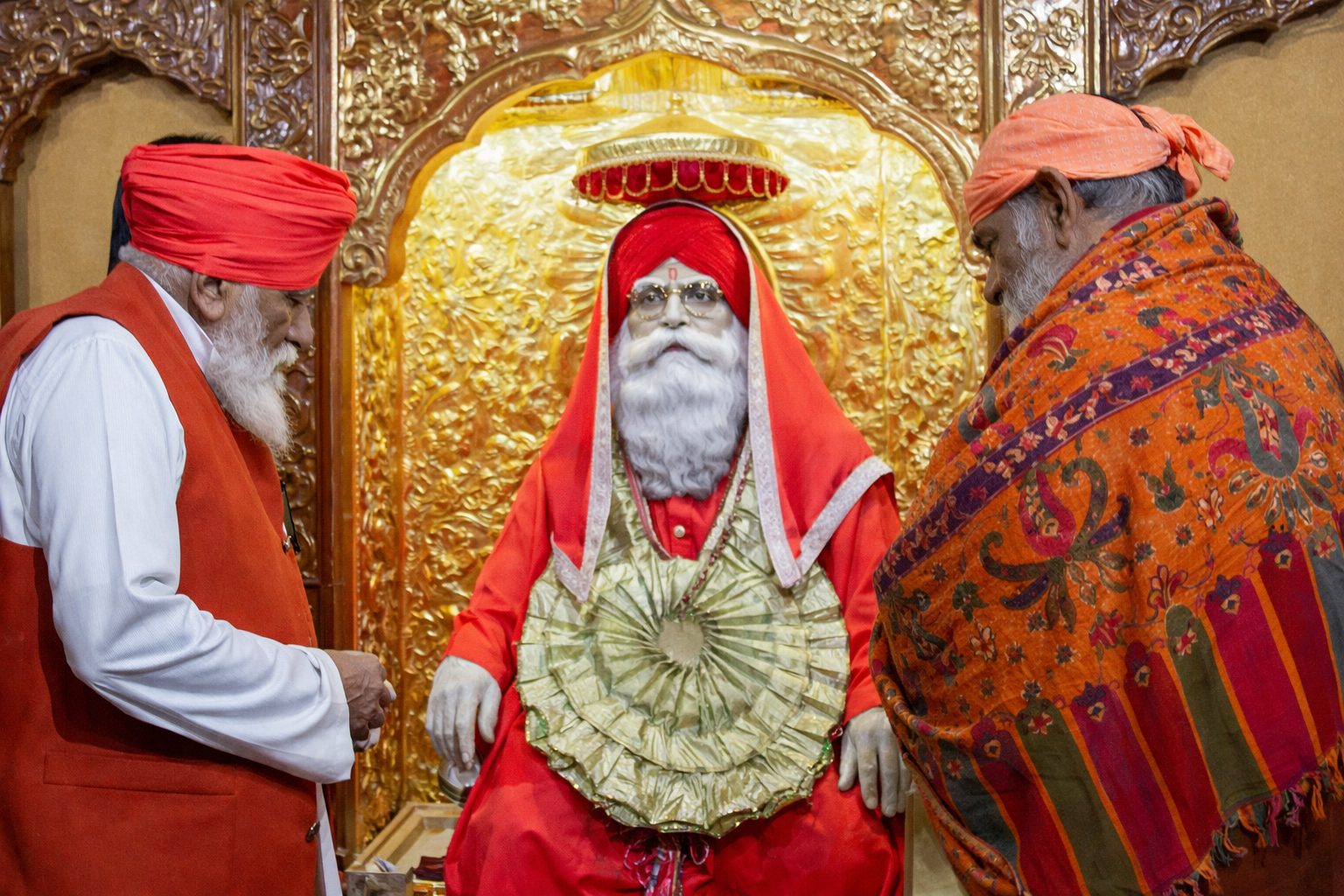
Overview of the Article
The article examines the life, philosophy and contemporary relevance of Guru Ravidas, situating his thought at the intersection of faith, dignity of labour and Dalit assertion. It presents Ravidas not merely as a Bhakti saint but as a radical social thinker whose spiritual message challenged caste hierarchy, ritual purity and occupational stigma. The piece links historical ideas to present-day Dalit consciousness and social mobilisation.
Key Arguments
Faith as social critique
Ravidas’s spirituality is portrayed as a vehicle for questioning caste oppression rather than as inward religiosity. His devotion rejected ritual hierarchy and emphasised ethical living.
Dignity of labour
The article highlights Ravidas’s affirmation of manual labour and occupational pride, countering the stigma attached to caste-based work, particularly leatherwork.
Dalit assertion through Bhakti
Bhakti is framed as a means of social assertion for marginalised communities, enabling spiritual equality in a deeply stratified society.
Rejection of Brahmanical orthodoxy
Ravidas challenged notions of purity and pollution, directly confronting Brahmanical dominance over religious and social life.
Contemporary resonance
The article links Ravidas’s ideas to modern Dalit movements, cultural assertion, and identity politics, especially in North India.
Author’s Stance and Bias
Stance
The author adopts an empathetic and affirmative stance, positioning Ravidas as a precursor to modern ideas of social justice and equality.
Biases
There is a clear normative bias in favour of Dalit assertion and anti-caste critique. Brahmanical traditions are largely presented as oppressive, with limited engagement with internal diversity or reformist strands within them.
Pros Highlighted
Reclaiming historical agency
The article foregrounds marginalised voices in Indian intellectual and religious history.
Linking faith with social justice
It challenges the separation of religion from social reform, showing how spiritual traditions can become tools of resistance.
Cultural and political relevance
The discussion connects medieval Bhakti thought to contemporary social movements, enhancing relevance.
Limitations and Gaps
Risk of presentism
There is a tendency to read modern political categories into a pre-modern context, which may oversimplify historical complexity.
Limited engagement with counter-views
Alternative interpretations of Bhakti traditions and caste dynamics are not explored in depth.
Regional focus
The broader pan-Indian diversity of Dalit religious expression receives limited attention.
Policy and Societal Implications
Social inclusion discourse
The article reinforces the importance of recognising cultural and religious dimensions of social justice.
Education and curriculum
Inclusion of figures like Ravidas can enrich curricula on social reform, caste and Indian philosophy.
Cultural recognition
Acknowledging Dalit spiritual traditions strengthens cultural democracy and pluralism.
Real-World Impact
The legacy of Ravidas continues to shape Dalit identity, religious practices and political mobilisation, particularly in Punjab and Uttar Pradesh. His emphasis on dignity of labour offers an ethical counter-narrative to caste-based exclusion that remains socially relevant.
UPSC GS Paper Linkages
GS Paper I – Society
Caste system, social movements, Bhakti tradition.
GS Paper I – Art and Culture
Medieval Bhakti saints, religious reform traditions.
GS Paper II – Social Justice
Empowerment of marginalised communities, social equality.
GS Paper IV – Ethics
Dignity of labour, equality, moral critique of social hierarchy.
Conclusion and Future Perspective
The article successfully presents Guru Ravidas as a symbol of faith-driven social resistance and dignity-centred ethics. While the narrative leans towards contemporary social justice framing, it underscores an important truth: India’s reform traditions have often emerged from the margins. Going forward, deeper engagement with such traditions can enrich debates on equality, labour dignity and inclusive citizenship in modern India.
