

How can India benefit from neurotechnology?
The Hindu
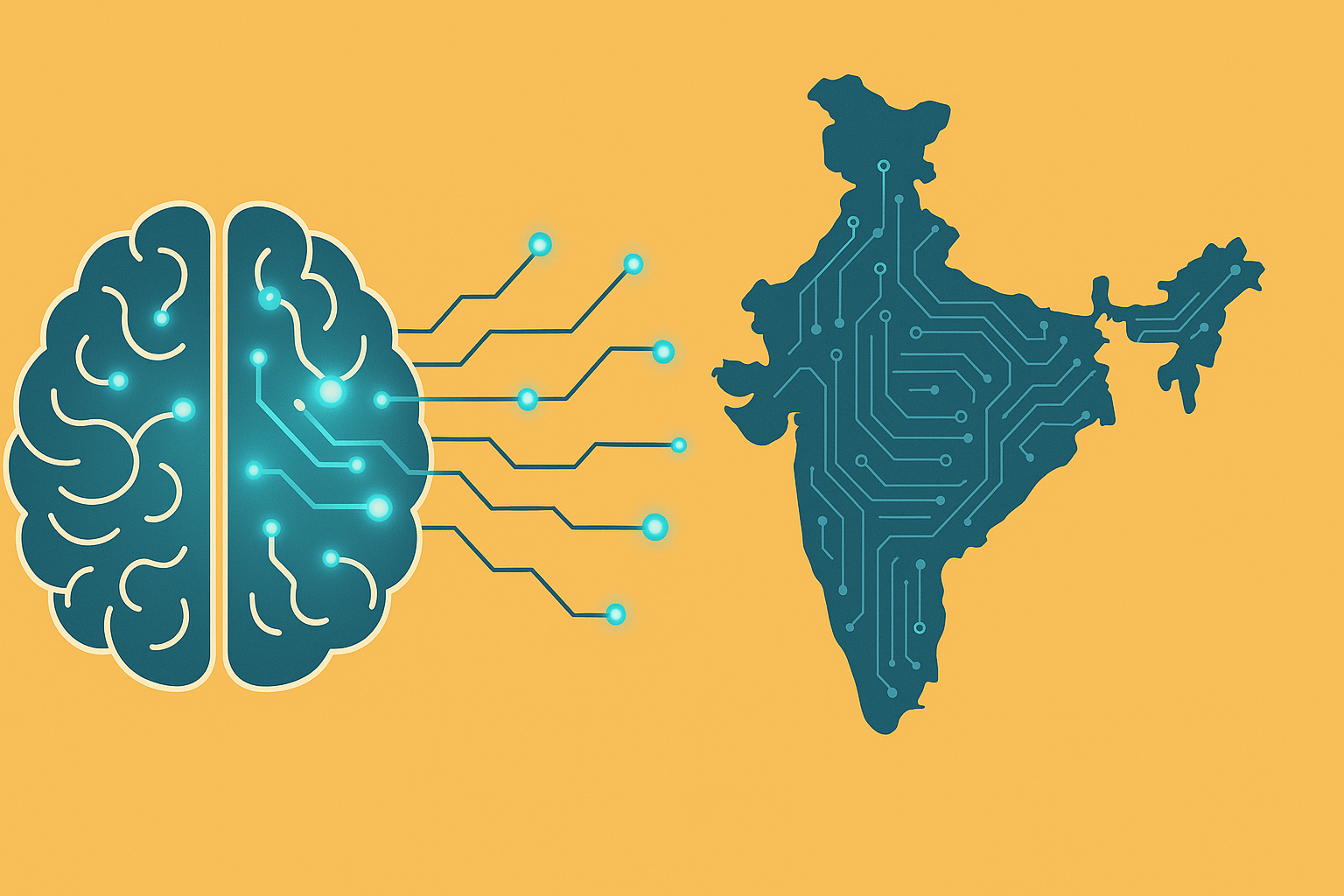
KEY ARGUMENTS PRESENTED
- Neurotechnology Represents the Next Frontier
It involves devices that can read, interpret, or stimulate brain signals.
BCIs translate neuronal activity into digital commands to operate external machines or restore lost function. - Applications Are Broad and Transformative
– medical rehabilitation (Parkinson’s, spinal cord injury, stroke)
– treatment of depression and neurological disorders
– prosthetics and mobility restoration
– potential future uses in military enhancement and robotics
– cognitive augmentation
– cancer detection through neural biomarkers - Why India Needs Neurotechnology
– India has a large burden of neurological disorders
– rising incidence of Parkinson’s, spinal injuries, and depression
– ageing population
– shortage of neurologists
– opportunity to integrate biotechnology, AI, and biomedical engineering - Where India Stands Today
– India’s neurotechnology ecosystem is emerging but small
– IITs and research institutions have launched early BCI prototypes
– Startups (e.g., Dognosis, BrainSightAI) are entering the field
– Medical research centres like NIMHANS collaborate with engineering institutions
– Military and health sectors show rising interest in BCIs - What the World Is Doing
– U.S. leads via the BRAIN Initiative
– FDA has approved BCI trials by Neuralink
– China’s Brain Project focuses on cognition, brain-inspired AI, and military applications
– Europe focuses on ethical governance and neurolaw - Need for Ethical, Legal, and Regulatory Frameworks
Neurotechnology raises issues of mental privacy, data protection, autonomy, and potential misuse.
AUTHOR’S STANCE AND POSSIBLE BIASES
- Optimistic, Future-Forward Lens
The author presents neurotechnology as inevitable and overwhelmingly positive, with limited critique of risks or societal impacts. - Techno-Solutionist Bias
Emphasises medical and defence benefits, while underplaying ethical, cultural, and privacy concerns. - U.S.–China Comparison Strongly Shapes the Narrative
India is framed as needing to "catch up," creating a competitive framing rather than an indigenous development perspective. - Limited Engagement with Resource Constraints
The article does not sufficiently examine India’s funding limitations, R&D ecosystem weaknesses, or the affordability of advanced neurotechnology.
PROS OF THE ARTICLE (Strengths)
1. Superb Clarity in Explaining Complex Technology
Provides an accessible explanation of BCIs, neurotech functions, and real-world use cases.
2. Strong Medical and Public Health Justification
Correctly highlights India’s neurological disease burden and shortage of specialists.
3. Situates India Within a Global Race
Comparisons with U.S. and China help readers understand strategic stakes.
4. Emphasises Multidisciplinary Integration
Links neuroscience with AI, engineering, biotechnology, and computing.
5. Addresses Ethical and Regulatory Needs
The recognition of neurolaw, privacy, and responsible innovation is timely.
CONS OF THE ARTICLE (Critical Gaps and Missing Dimensions)
1. Underestimation of India’s R&D and Institutional Weaknesses
India spends only a small percentage of GDP on research, which hinders rapid progress.
2. Limited Discussion of Socioeconomic Barriers
Advanced neurotech may be unaffordable for large sections of India’s population.
3. Absence of Broader Ethical Concerns
Topics like:
– cognitive surveillance
– militarisation of neurotech
– autonomy and free will
– neurological inequality
are not adequately discussed.
4. Regulatory Landscape Barely Explored
Emerging neurolaw, data regulation, and medical device certification need deeper treatment.
5. Overemphasis on High-Tech Without Linking to Rural Health Challenges
BCIs will not address India’s immediate lack of primary care and neurology infrastructure.
6. Missing Discussion on Brain Drain
Neurotech talent may migrate unless India builds strong incentives and labs.
POLICY IMPLICATIONS (UPSC GS-III: Science & Tech, GS-II: Health, Governance)
- Need for a National Neurotechnology Mission
Similar to the Genome India Project or National AI Mission. - Regulatory Framework and Neurolaw
Governance must address:
– privacy of neural data
– ownership of cognitive information
– liability and consent
– military ethics - Strengthening Research Ecosystems
Funding for IITs, IISc, AIIMS, NIMHANS to collaborate on interdisciplinary neurotech. - Boosting Biotechnology and Medical Device Manufacturing
Expanding PLI schemes to neurotech devices and implants. - Affordability and Accessibility
Ensuring public hospitals can adopt neurotech—avoiding elite capture of advanced treatments. - International Collaboration
Engage with U.S., EU, and Japan for ethical standards and joint research.
REAL-WORLD IMPACT ASSESSMENT
- Healthcare Transformation
BCIs can restore mobility, treat paralysis, and aid rehabilitation. - Revolution in Mental Health
Advanced diagnostics for depression, neurological disorders, and cognitive decline. - Boost to India’s Innovation Ecosystem
High-tech manufacturing jobs, patents, and startups. - Defence and Security Implications
Potential enhancement of battlefield communication or soldier performance—raises ethical concerns. - Data Privacy Risks
Neural data is the most intimate form of information; misuse can undermine civil liberties. - Social Inequality
Advanced neurotech could widen gaps between socio-economic groups.
BALANCED CONCLUSION
The article successfully introduces readers to the transformative potential of neurotechnology and India’s opportunity to become a significant global player. It highlights India’s medical needs, innovation potential, and strategic imperative to develop BCIs and related technologies.
However, it underplays the depth of regulatory, ethical, economic, and infrastructural challenges India faces. Neurotechnology is not simply a scientific leap; it is a societal shift requiring strong governance, investment, and ethical safeguards. The promise is immense, but so are the risks.
FUTURE PERSPECTIVES (UPSC Mains-Ready Insights)
- Establish a National Neurotechnology Innovation Council.
- Develop neurolaw frameworks covering consent, privacy, and liability.
- Expand public funding for brain research and interdisciplinary labs.
- Encourage startups and industry–academia collaboration in neuroscience.
- Integrate neurotech in Ayushman Bharat digital health architecture.
- Promote ethical guidelines through Bioethics Councils.
- Strengthen global partnerships and harmonise Indian standards with international norms.
Neurotechnology can reshape India’s healthcare, defence, and innovation landscapes—if managed with scientific rigor, ethical responsibility, and strategic foresight.
