

In 1947, Lahore was sacrificed to uncertainty
The Tribune
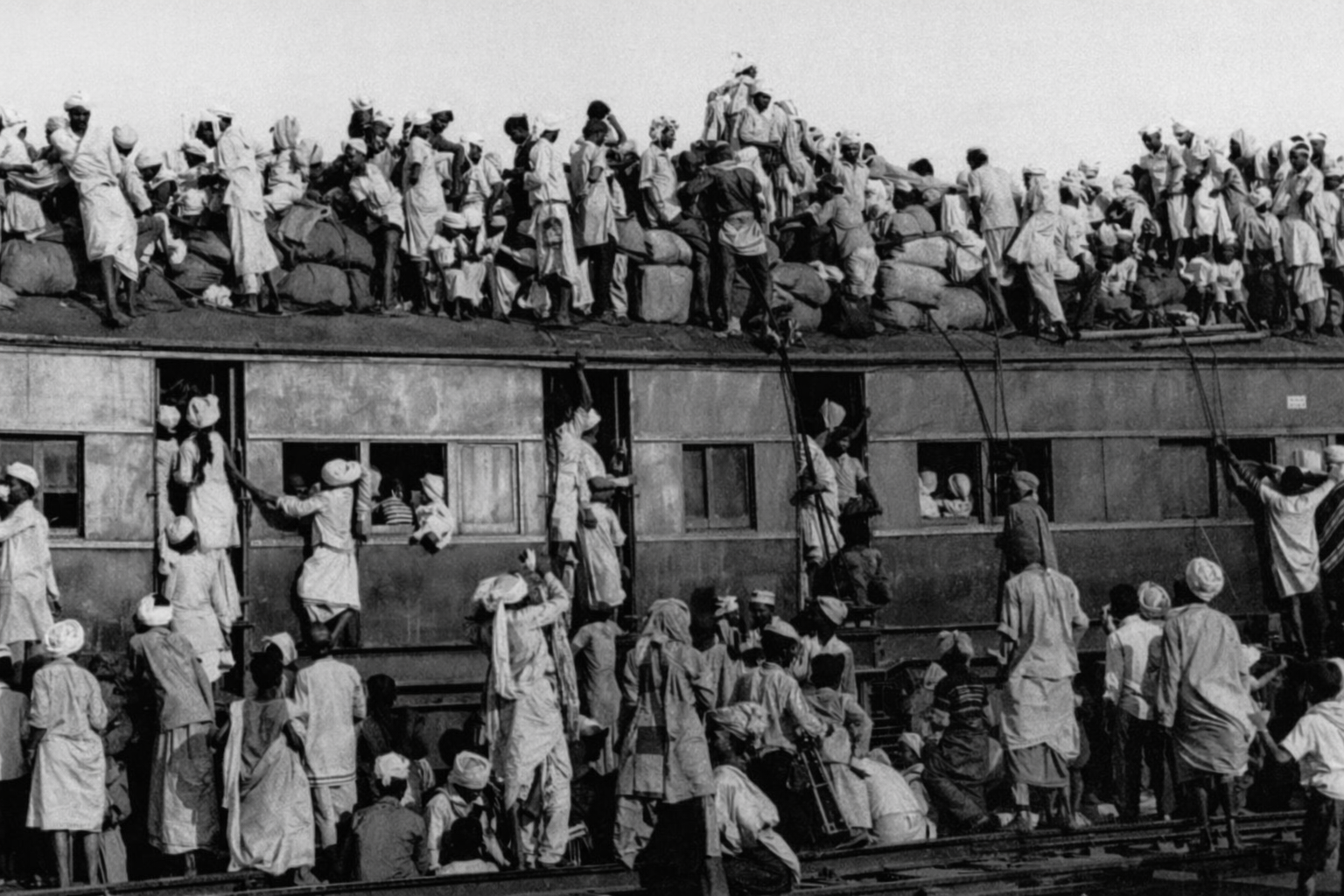
Context and Central Claim
The article revisits the Partition of 1947, focusing specifically on Lahore’s fate during the Radcliffe Award. It argues that Lahore was not merely transferred through a rational boundary-making process but was effectively abandoned to uncertainty, shaped by administrative haste, political compulsions, and violence-driven outcomes rather than principled decision-making.
The piece positions Lahore as a symbol of Partition’s moral and administrative failure, rather than an inevitable casualty of geopolitics.
Key Arguments Presented
1. Lahore’s Transfer Was Not Inevitable
The article contests the common assumption that Lahore’s inclusion in Pakistan was preordained. It highlights:
- The ambiguity in demographic, economic, and administrative indicators
- Conflicting recommendations and late-stage uncertainties in boundary deliberations
- The lack of transparent, reasoned justification in public records
The core assertion is that Lahore was not decisively “lost” but allowed to drift into Pakistan due to indecision and chaos.
2. Violence as a Determinant, Not a Consequence
A critical argument advanced is that violence influenced boundary outcomes, rather than boundaries merely triggering violence. The article suggests:
- Escalating communal violence created “facts on the ground”
- Administrative paralysis allowed disorder to shape political outcomes
- Law and order breakdown weakened the possibility of alternative decisions
This reverses the conventional causality often taught in Partition narratives.
3. Administrative Failure of the Late Colonial State
The piece is particularly severe on British administration, arguing that:
- The Radcliffe process was rushed, opaque, and inadequately informed
- The colonial state prioritised speed of exit over ethical responsibility
- Governance collapsed precisely when it was most needed
Partition is thus framed as a failure of state capacity and moral accountability, not merely communal hostility.
4. Psychological and Cultural Loss
Beyond territorial logic, the article stresses Lahore’s:
- Cultural centrality to undivided Punjab
- Symbolic importance in intellectual, artistic, and political life
- Enduring trauma for displaced communities
Lahore’s loss is portrayed as a civilisational rupture, not just a cartographic adjustment.
Author’s Stance
The author adopts a critical-revisionist stance:
- Deeply sceptical of inevitability narratives
- Critical of both colonial administrative decisions and post-hoc justifications
- Empathetic to displaced populations
The tone is reflective yet accusatory, seeking accountability rather than closure.
Biases and Editorial Leanings
1. Retrospective Moral Judgement
The article evaluates decisions with the benefit of hindsight, which:
- Strengthens ethical critique
- Risks underplaying the genuine constraints faced by administrators amid mass violence
2. Administrative-Centric Explanation
While persuasive, the emphasis on administrative failure:
- Marginalises the role of mass politics and communal mobilisation
- Understates agency of Indian and Pakistani political leadership in the final outcome
3. Lahore-Centric Framing
The focus on Lahore’s loss, though justified, may:
- Overrepresent elite urban loss relative to rural displacement
- Reflect a nostalgia-driven urban historical lens
Pros and Cons of the Argument
Pros
- Challenges deterministic Partition narratives
- Introduces nuance into boundary-making debates
- Highlights ethical dimensions of decolonisation
- Encourages archival and evidentiary re-examination
Cons
- Limited engagement with counterfactual risks of retaining Lahore
- Insufficient exploration of Sikh, Muslim, and Hindu leadership dynamics
- Emotional resonance may overshadow structural analysis
Policy Implications
1. Historical Accountability
The article strengthens the case for:
- Reassessing colonial exit strategies
- Recognising administrative responsibility in mass displacement
2. Conflict Management Lessons
For contemporary governance, it underlines:
- Dangers of rushed political transitions
- Risks of allowing violence to dictate political outcomes
3. Memory and Reconciliation
The piece indirectly supports:
- Honest historical engagement between India and Pakistan
- Moving beyond triumphalist or victim-only narratives
Real-World Impact
- Encourages deeper public engagement with Partition history
- Challenges textbook simplifications
- Reinforces trauma-informed historical understanding
- Resonates with ongoing debates on borders, refugees, and state responsibility
For aspirants and policymakers alike, it demonstrates how administrative decisions under crisis can produce irreversible civilisational consequences.
UPSC GS Paper Alignment
GS Paper I – History
- Partition of India
- Boundary-making and decolonisation
- Socio-cultural impact of displacement
GS Paper II – Governance
- State capacity in crisis situations
- Administrative ethics and responsibility
GS Paper IV – Ethics
- Moral responsibility of decision-makers
- Ethics of haste versus justice
- Accountability under uncertainty
Balanced Conclusion and Future Perspective
“In 1947, Lahore was sacrificed to uncertainty” is a powerful corrective to inevitability narratives surrounding Partition. By foregrounding administrative indecision and violence-driven outcomes, it reframes Lahore’s loss as a failure of governance rather than destiny.
While the article’s retrospective moral clarity occasionally simplifies the complexity of the moment, its core contribution lies in insisting that history must be interrogated, not merely accepted. The future of Partition scholarship, and indeed public understanding, depends on such critical re-examinations that replace fatalism with responsibility and silence with scrutiny.
