

India, uae map path to $200 billion trade
Business Standard
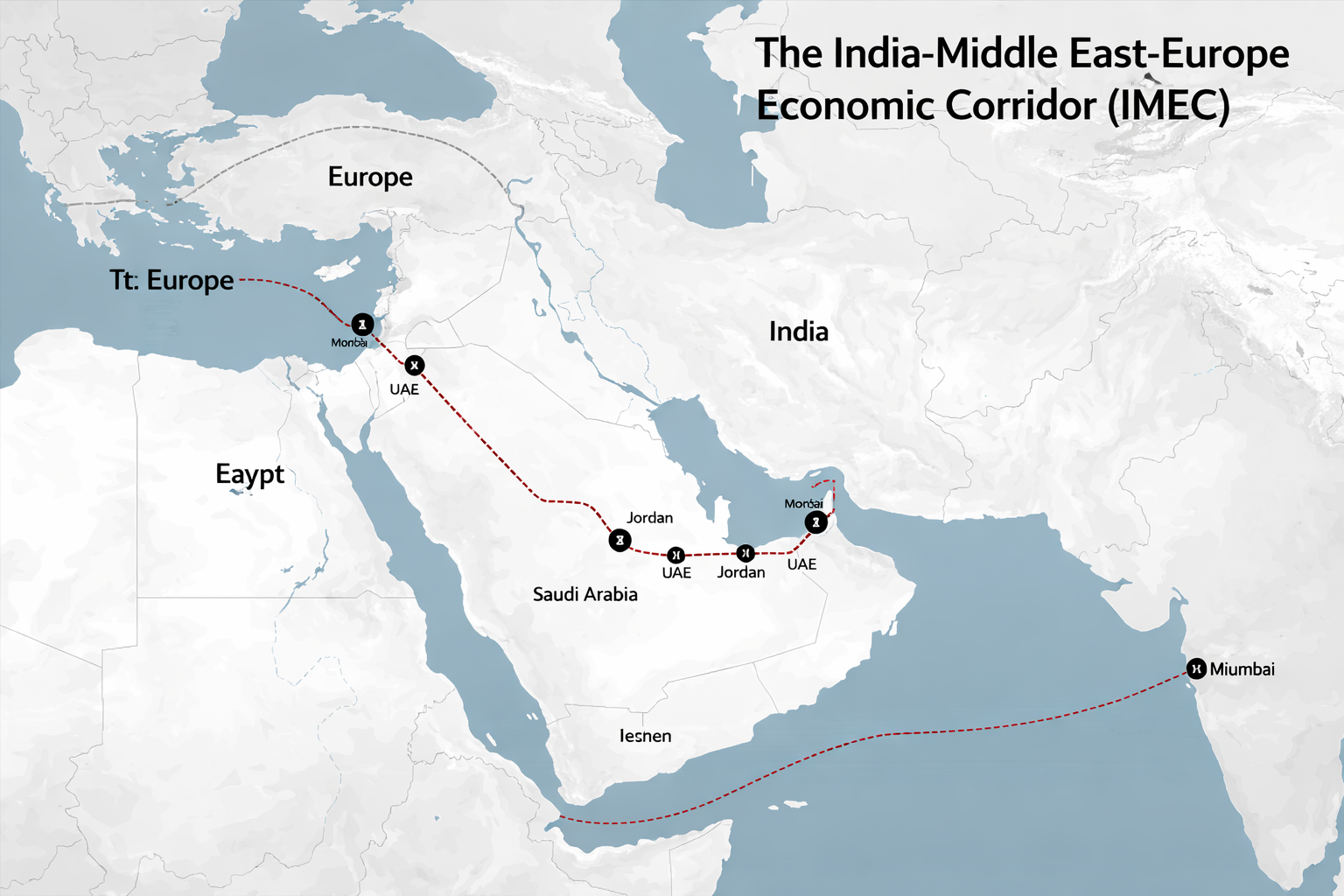
1. Key Arguments of the Article
- Trade Target Between India and UAE: The article discusses a newly announced target of achieving $200 billion in bilateral trade by 2032 between India and the UAE, a considerable increase from current trade figures.
- Sectoral Focus: The trade roadmap includes increasing collaboration in various sectors such as energy, infrastructure, defense, and technological innovation. Special emphasis is placed on strategic infrastructure projects and the creation of digital trade routes, with a mention of the UAE’s potential investment in India’s infrastructure and technology sectors.
- Long-Term Agreements: The agreements include the UAE’s commitment to buying significant quantities of liquefied natural gas (LNG) from India, with the focus on increasing energy supplies and boosting critical infrastructure.
- Bilateral Diplomacy and Agreements: The UAE and India have agreed to enhance cooperation through agreements facilitating knowledge exchange, urban development, and energy partnerships, in addition to raising digital trade collaboration.
- Geopolitical Context: The deal is framed against the backdrop of global trade dynamics and the changing role of emerging economies like India and UAE as major geopolitical and economic players.
2. Author’s Stance and Bias
- Positive Framing: The author adopts a highly positive stance on the trade agreements, emphasizing their potential to reshape the economic landscape of both nations. There is a strong focus on the benefits of these agreements, especially the projected increase in trade and the geopolitical advantages for both India and UAE.
- Limited Critical Perspectives: While the article extensively highlights the strategic nature of the agreements, it lacks a detailed exploration of potential challenges, such as implementation difficulties, political hurdles, or market risks associated with these ambitious trade targets.
- Implicit Bias Towards Geopolitical Gains: The article subtly aligns the India-UAE partnership with global power dynamics, particularly with respect to the geopolitical importance of trade corridors and energy supplies, without addressing the risks of dependence on foreign investments or trade imbalances.
3. Structured Analysis of the Article
Pros:
- Economic Growth Potential: The ambition to scale trade to $200 billion is an indication of the growing economic clout of India, with robust economic partnerships strengthening key areas of mutual interest, such as energy, technology, and infrastructure.
- Enhanced Diplomatic Ties: The agreements underscore a deepening of bilateral relations between two strategically significant nations, opening avenues for future collaboration on defense, security, and international trade.
- Infrastructure and Technology Advancements: Focus on critical infrastructure projects like the development of urban areas, smart cities, and energy hubs supports India’s long-term growth and technology upgradation.
- Energy Security and Supply Diversification: The emphasis on LNG supply from India to the UAE also highlights an opportunity for energy diversification, reducing dependence on traditional energy sources.
Cons:
- Overambitious Trade Target: Achieving a $200 billion trade target by 2032 is an ambitious goal, especially considering global economic uncertainties, geopolitical tensions, and the volatility of international markets.
- Implementation Challenges: The article mentions several high-level agreements but does not delve into the practical challenges of implementing such agreements, including potential resistance from local industries, regulatory hurdles, or logistical bottlenecks.
- Geopolitical Risks: While the trade relations are presented positively, the article does not acknowledge the potential geopolitical risks of aligning so heavily with one partner. The UAE’s strategic role in the Middle East could create complications for India in its broader foreign policy approach, especially in light of ongoing tensions in the region.
- Economic Overreliance on Energy Sector: The heavy emphasis on energy trade, particularly LNG, might expose India to external shocks in energy prices, potentially destabilizing the economic benefits from this deal.
4. Policy Implications
- Foreign Policy and Diplomacy: The agreements emphasize India’s growing diplomatic influence in the Gulf region. The India-UAE strategic partnership will likely influence India’s foreign policy, especially in the Middle East, aligning with its broader “Act East” and “Neighborhood First” strategies.
- Domestic Trade and Infrastructure Policy: The agreements also call for greater investments in domestic infrastructure, particularly in areas like transportation, which will require policy reforms to streamline and manage such large-scale projects efficiently.
- Energy Security: The focus on LNG trade offers India a significant opportunity to diversify its energy sources, but it also calls for improvements in energy infrastructure and domestic policies aimed at reducing energy demand volatility.
5. Real-World Impact
- Short-Term: There will likely be short-term disruptions as both countries work to implement infrastructure projects and scale energy partnerships. Trade agreements in the energy sector may lead to fluctuations in domestic prices based on market conditions.
- Medium-Term: Increased trade will likely stimulate economic growth in both nations, especially in the infrastructure and technology sectors. However, competition from other emerging economies in the region could dilute the anticipated benefits.
- Long-Term: If successfully implemented, the trade agreements could significantly elevate India’s role in the global supply chain, especially in sectors like energy, technology, and infrastructure. However, balancing this growth with sustainability and equitable distribution will be crucial to avoid overdependence on specific sectors.
6. Alignment with UPSC GS Papers
- GS Paper II – International Relations: The article aligns with discussions on bilateral relations, the role of economic diplomacy, and the shifting dynamics of global trade.
- GS Paper III – Economy: The article speaks to India’s growing economic role, trade policy, energy security, and the need for effective foreign trade policies.
- GS Paper II – Governance: The role of public-private partnerships and the structural reforms required for large-scale trade and infrastructure projects ties into governance reform.
7. Conclusion and Future Perspective
The India-UAE partnership is poised to significantly impact both nations economically and geopolitically. While the trade target is ambitious, the long-term economic benefits of a diversified energy portfolio, technology partnerships, and infrastructure growth could reshape the future trajectory of both nations. However, the real challenge lies in overcoming practical and geopolitical challenges to ensure the sustainability and equitable distribution of the benefits of this partnership.
India should continue to strengthen its global trade relations while maintaining flexibility and adaptability in a changing world order. The key will be managing internal challenges related to infrastructure, policy coherence, and external geopolitical shifts.
