

India-US deal could have been a moment missed. It is a moment seized
Indian Express
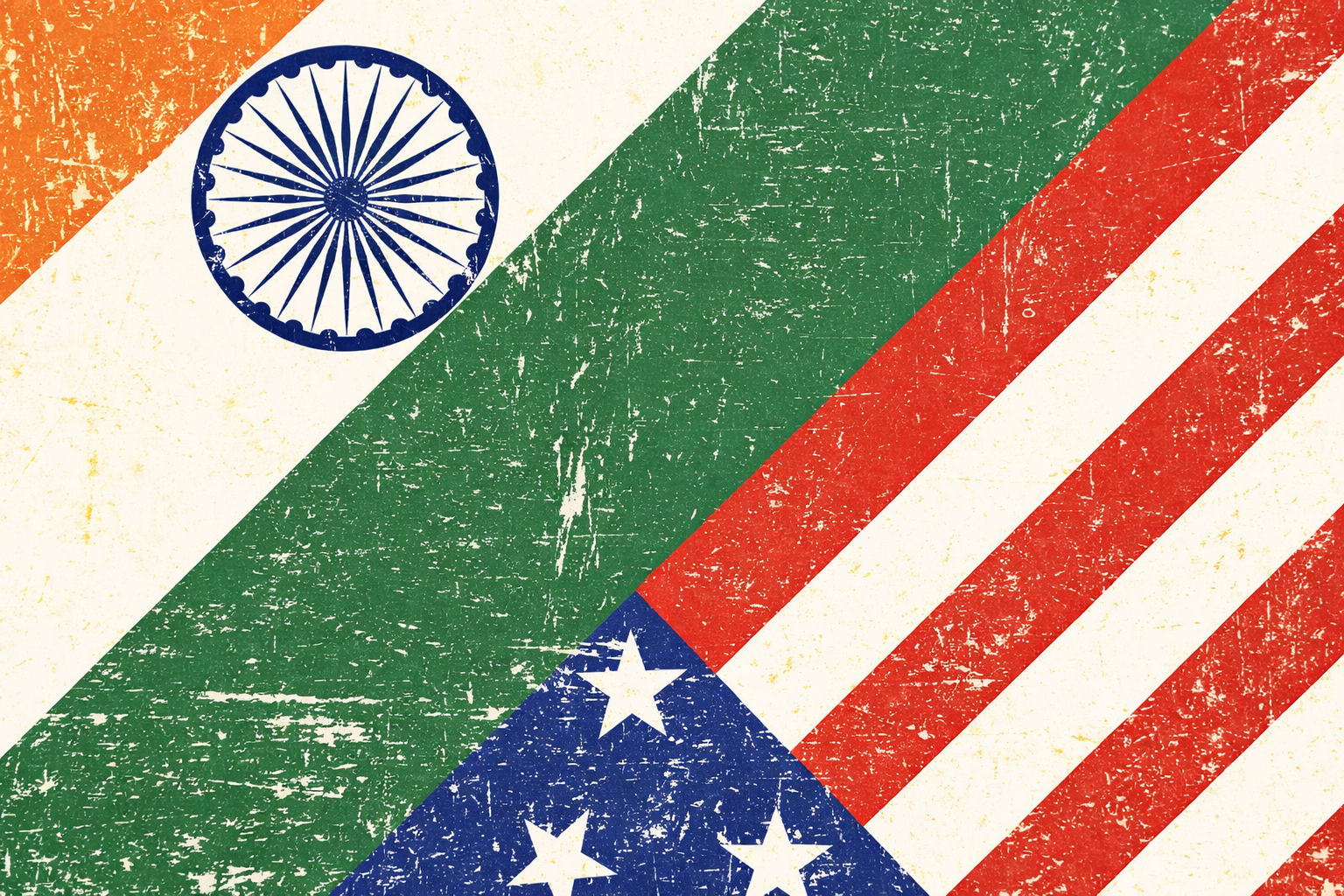
Context and Central Thesis
The article argues that the interim India–US trade deal represents a strategic opportunity effectively utilised, not squandered. It situates the agreement within the broader transformation of global trade architecture—from multilateral WTO-centred frameworks to strategic, bilateral, and minilateral arrangements shaped by geopolitics.
The core claim: India’s calibrated engagement with the US reflects strategic maturity and timely adaptation to shifting global trade dynamics.
Key Arguments Presented
From protectionism to calibrated openness
The article traces India’s trade evolution—from earlier scepticism toward WTO disciplines to gradual integration into global markets. It suggests that India’s current approach blends autonomy with selective liberalisation.
Global trade system in transition
With WTO dispute mechanisms weakened and great-power rivalry intensifying, bilateral agreements have regained prominence. India’s engagement with the US fits this new template.
Interim deal as pragmatic bridge
Rather than a comprehensive FTA, the interim arrangement provides incremental market access and confidence-building measures while preserving negotiation flexibility.
Avoidance of tariff escalation
Without such an arrangement, India risked higher tariffs and trade friction. The deal is presented as preventing competitive disadvantage relative to other US trade partners.
Strategic alignment beyond trade
Economic convergence supports broader geopolitical alignment, including technology flows, supply chains, and investment cooperation.
Author’s Stance
The author adopts a strongly supportive and strategic-optimist stance. The tone is assertive: this is not merely a defensive compromise but a forward-looking move that strengthens India’s global economic positioning.
The framing rejects the narrative that India yielded under pressure; instead, it portrays the agreement as a conscious strategic choice.
Biases and Perspective
Pro-engagement bias
The article favours deeper economic integration with the US and Western markets.
Limited distributional analysis
Sectoral losers—particularly small producers or vulnerable industries—receive minimal discussion.
Geostrategic lens dominance
Trade is primarily interpreted through geopolitical calculus rather than development economics or social equity frameworks.
Pros and Cons Highlighted
Pros
- Enhances investor confidence
- Prevents tariff disadvantages
- Signals policy stability and reform orientation
- Strengthens India’s bargaining credibility
- Deepens strategic economic convergence
Cons
- May constrain future policy autonomy
- Could expose sensitive sectors to competitive pressures
- Benefits dependent on domestic reform follow-through
- Over-reliance on bilateralism risks fragmentation
Policy Implications
Trade policy recalibration
India’s strategy appears to prioritise targeted bilateral engagement over stalled multilateral negotiations.
Investment and competitiveness reforms
Market access alone is insufficient; logistics, infrastructure, and regulatory efficiency must improve to capture gains.
Strategic supply chains
The deal may strengthen collaboration in critical minerals, technology, and manufacturing ecosystems.
Domestic political management
Balancing reform with stakeholder consensus remains crucial.
Real-World Impact
- Exporters may gain preferential access and tariff relief
- Investors perceive greater policy predictability
- Domestic industries face competitive adjustment
- Diplomatic leverage increases in wider geopolitical negotiations
UPSC GS Paper Alignment
GS Paper II (International Relations)
- India–US strategic partnership
- Economic diplomacy as foreign policy instrument
GS Paper III (Economy)
- Trade policy evolution
- Tariff structures and competitiveness
- Investment climate reforms
Essay Paper
- “Strategic autonomy in an era of economic interdependence”
- “Bilateralism versus multilateralism in global trade”
Balanced Conclusion and Future Perspective
The article convincingly frames the interim India–US deal as a strategic response to a fragmented global trade environment, where delay could have meant erosion of competitiveness. It portrays India as a confident negotiator adapting to geoeconomic realities.
However, the long-term success of this “moment seized” depends on execution: structural reforms, export competitiveness, and careful management of sectoral impacts. Trade agreements can open doors—but sustained growth requires domestic transformation. If India aligns its internal reforms with external engagement, this may indeed mark a defining shift in its trade diplomacy trajectory.
