

Large genetic study finds overlap in schizophrenia, bone health
The Hindu
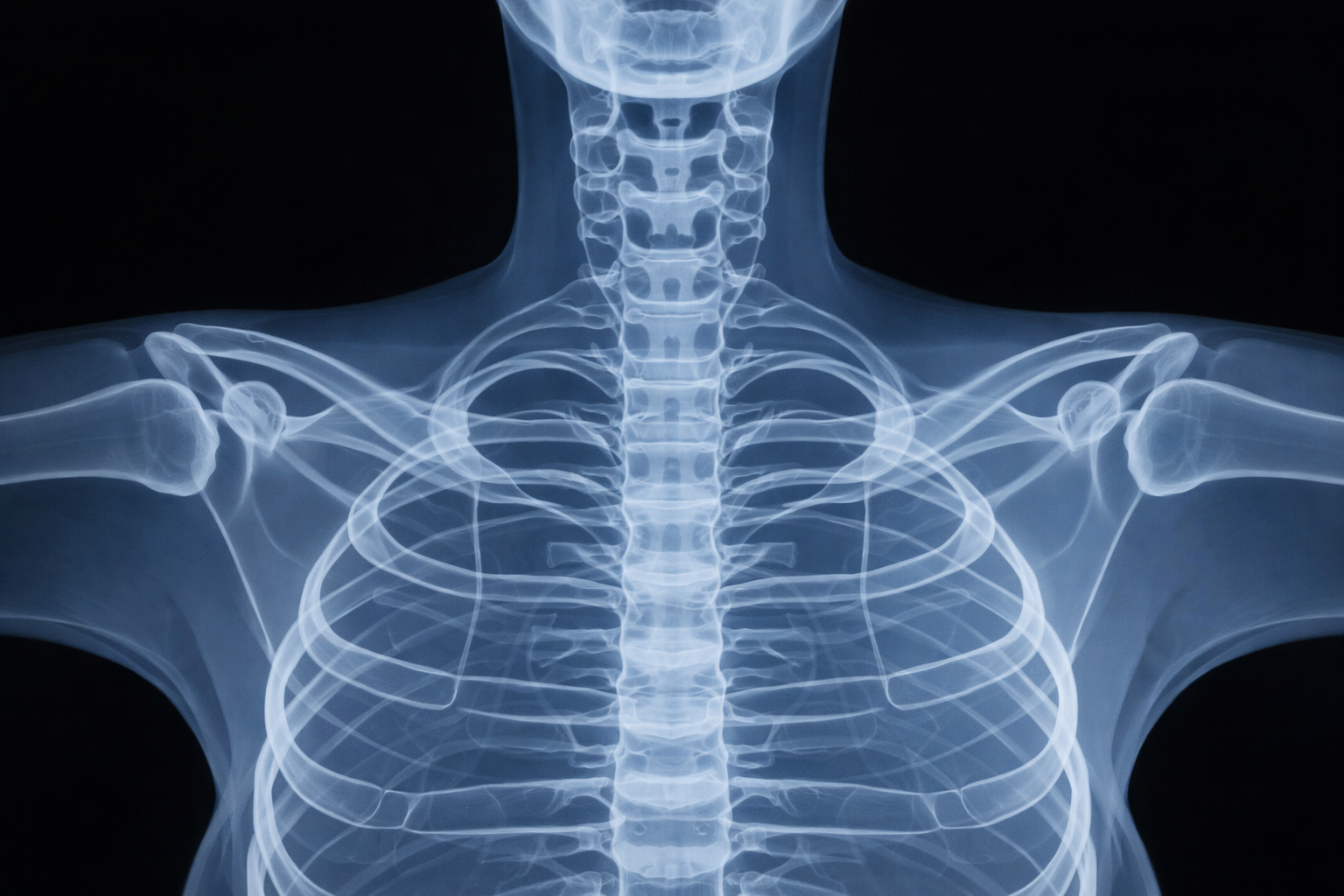
The article discusses a large genetic study that finds a connection between schizophrenia and bone health, particularly focusing on the overlap between traits associated with both conditions, such as osteoporosis and weakened bone strength.
Key Arguments
- Shared Genetic Patterns: The article highlights the findings of a large-scale genetic study, which discovered shared genetic patterns linking schizophrenia with traits related to osteoporotic conditions like weakened bone strength.
- Genetic Overlap: The research points out that specific genetic signals overlap between schizophrenia and bone health, especially traits related to bone density. This indicates that individuals with schizophrenia are more likely to have weaker bones, partly due to genetic factors.
- Role of Bone Strength: The article emphasizes that bone strength plays a significant role in the shared genetic regions between the two conditions. The study observed that signals for bone strength were unevenly distributed in the skeleton, suggesting an intricate link between bone health and mental health conditions.
- Scientific Relevance: The study, led by scientists from various institutions, provides a deeper understanding of how mental and physical health intersect at a genetic level. The identification of specific DNA regions shared between schizophrenia and bone health could open new avenues for targeted treatment and prevention.
- Biological and Environmental Factors: The article mentions that bone health is influenced by both genetic and environmental factors. People with schizophrenia are more likely to have weaker bones due to a combination of factors, including medication side effects, lifestyle, and altered metabolic processes.
- Implications for Healthcare: Understanding the genetic overlap between schizophrenia and bone health can provide crucial insights into the broader implications of mental health on overall physical well-being. It suggests that individuals with schizophrenia may require more comprehensive health interventions, focusing not only on mental health but also on conditions like osteoporosis.
The Author’s Stance and Biases
The article is largely neutral and focuses on presenting the scientific findings in a clear and factual manner. There is no evident bias, but the article’s tone leans toward conveying the significance of the research findings in an optimistic light, emphasizing the potential for new insights into schizophrenia treatment and bone health management.
Pros
- Scientific Advancement: The study provides a valuable contribution to understanding the genetic links between mental and physical health. By identifying shared genetic traits, the research could help develop integrated treatment plans for individuals with schizophrenia.
- Cross-Disciplinary Implications: The article bridges the fields of psychiatry, genetics, and bone health, encouraging a more holistic approach to patient care. It stresses that medical practitioners should consider both the mental and physical health of patients with schizophrenia.
- Potential for Improved Healthcare: The discovery of a genetic overlap opens the door for more personalized and targeted treatments for schizophrenia patients, potentially improving both their mental and physical health outcomes.
- Awareness of Bone Health in Schizophrenia: The article highlights the importance of addressing bone health in schizophrenia treatment, which has often been overlooked in the past. This awareness could lead to better healthcare strategies for people with schizophrenia.
Cons
- Limited Generalization: The study is based on genetic findings and may not fully account for the wide range of environmental factors that can influence bone health in schizophrenia patients, such as medication side effects, diet, and lifestyle.
- Need for Further Research: While the findings are intriguing, they may require more in-depth research to fully understand the mechanisms behind the genetic overlap. Additional studies would be necessary to validate these findings across diverse populations.
- Potential Stigma: There is a risk that highlighting physical health conditions like weakened bones in schizophrenia patients could inadvertently contribute to stigmatization of the mental health condition, especially if the relationship between the two is oversimplified.
Policy Implications
- Integrated Healthcare Approach: The findings suggest that healthcare systems should adopt a more integrated approach to treating mental health conditions, taking into account the physical health challenges patients with schizophrenia face. This could lead to new policies for comprehensive care, addressing both mental and physical health in tandem.
- Mental Health and Physical Health Legislation: This discovery could prompt the development of policies that ensure better access to medical services for people with schizophrenia, focusing not only on psychiatric care but also on managing related physical health issues, such as osteoporosis.
- Public Health Awareness: There may be a need for public health campaigns aimed at educating both healthcare professionals and the general public about the intersection of mental health and physical health. This could help reduce the neglect of physical health conditions like weakened bones in individuals with schizophrenia.
Real-World Impact
The real-world impact of this study could be profound, especially in how mental health conditions are managed in healthcare systems. For patients with schizophrenia, the new insights into genetic links with bone health could lead to better-targeted treatments, reducing the risk of fractures and improving overall health. Additionally, by recognizing the interconnectedness of mental and physical health, healthcare providers may be able to offer more holistic treatment options, ultimately enhancing the quality of life for people with schizophrenia.
UPSC GS Paper Alignment
The topic is highly relevant to UPSC GS Paper II (Governance, Constitution, Polity, Social Justice), particularly in the context of public health and social justice. It also ties into UPSC GS Paper II - Health and Welfare, as the findings speak directly to the need for integrated healthcare policies and the provision of comprehensive health services for vulnerable populations.
Furthermore, this subject relates to UPSC GS Paper II - Social Justice, especially concerning the health and well-being of marginalized groups. The article's findings can be used to discuss the importance of accessible healthcare that addresses both mental and physical health challenges.
Conclusion and Future Perspectives
This large genetic study has the potential to significantly impact the understanding of schizophrenia and its broader health implications. The findings encourage a more holistic approach to mental health care, emphasizing the importance of considering physical health conditions like osteoporosis in individuals with schizophrenia.
As research in this area progresses, it may lead to breakthroughs in integrated healthcare practices, improving both the mental and physical health outcomes for those with schizophrenia. Given the potential for new treatment strategies, the healthcare policy framework may need to evolve to ensure that mental health conditions are treated comprehensively, acknowledging their physical health consequences as well.