

Logistics of the military budget hike
The Tribune
Key Arguments and Analysis
Increasing military expenditure to address changing warfare
The article highlights that the Indian government’s military budget for FY27 has been increased by 15.19%, focusing on upgrading defence capabilities to match the evolving nature of warfare. This includes funding for new weapons, systems, ships, submarines, and fighter jets, as well as a major overhaul of the country’s military structure in response to new challenges.
Focus on capital expenditure and restructuring
The focus is on the need for capital expenditure for long-term investments in military technology and infrastructure, which includes fighter jets, new systems, and radar advancements. The 15.19% hike is mostly allocated to procurement, ensuring that the Indian Armed Forces remain technologically updated and better equipped to handle future security challenges.
Local production of military hardware
The article also emphasizes indigenous production as a key strategy. By sourcing more defence systems and military assets from domestic sources, India is not only reducing reliance on foreign suppliers but also boosting its defence manufacturing capabilities. This move is expected to improve the operational readiness and self-sufficiency of India’s military.
Increased focus on naval and air capabilities
Given the rising geopolitical tensions, particularly with China and Pakistan, the increase in naval and air force capabilities is noted as crucial. The procurement of fighter aircraft, naval ships, and submarines are key components of this enhanced defence strategy.
Growing technological and tactical needs
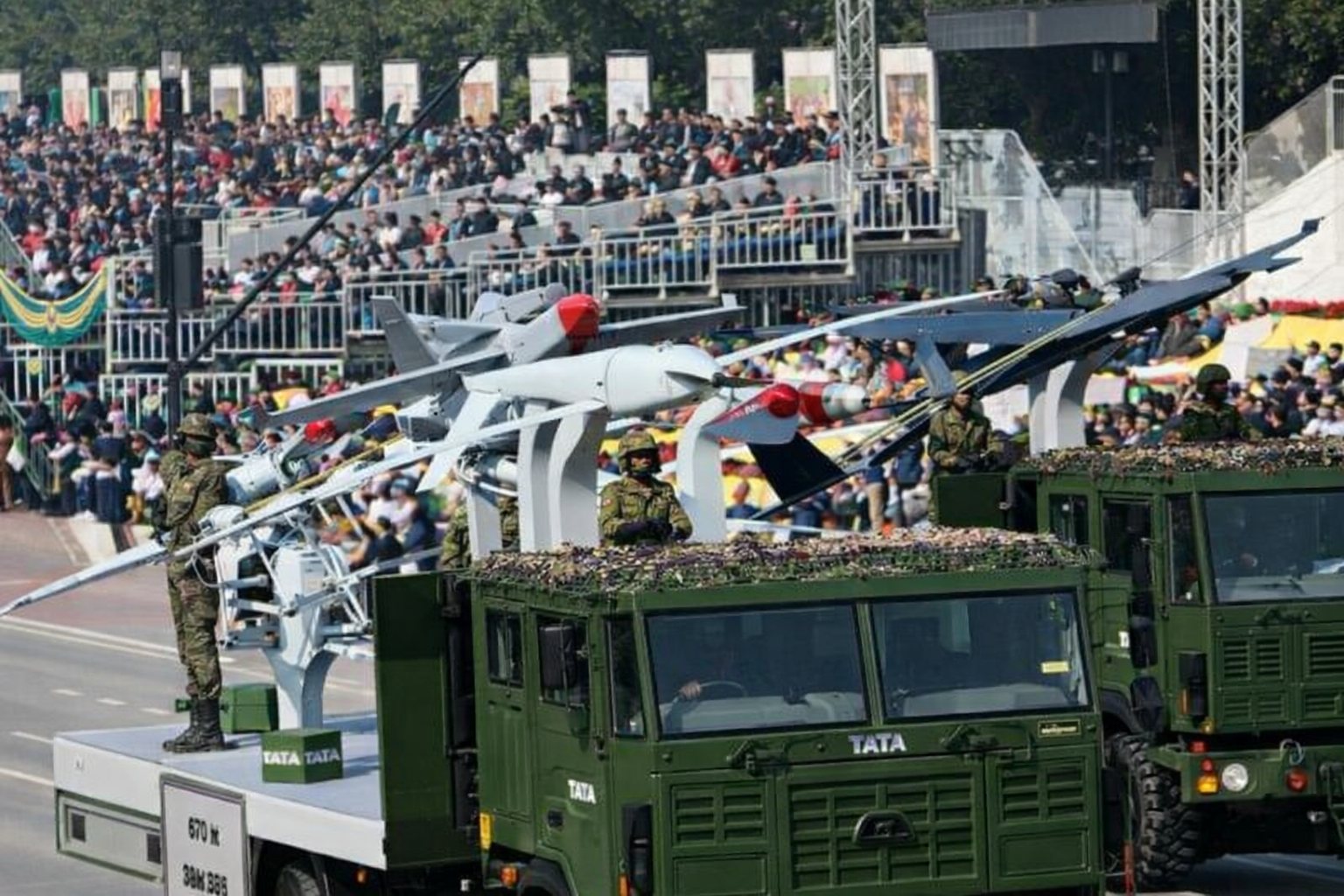
As technology rapidly evolves, the article points to the need for more sophisticated combat technologies such as AI-driven systems, drones, and cybersecurity measures. These capabilities are seen as vital to future combat preparedness, where India must invest not only in physical military assets but also in technological infrastructure.
Author’s Stance
The author adopts a supportive stance towards the increase in the military budget, acknowledging the need to modernize the forces and adapt to the changing nature of warfare. The emphasis on self-reliance, especially in the defence sector, is presented as essential for national security and strategic autonomy. The author calls for sustained growth in defence spending to address the evolving regional security dynamics, especially with China’s increasing military assertiveness.
Biases and Perspective
Pro-defence and national security bias
The article reflects a strong national security perspective, favouring higher defence spending and a focus on military modernization. There is a clear bias towards self-reliance in the defence sector, as seen in the emphasis on indigenous production and domestic capabilities.
Limited exploration of counterarguments
While the article highlights the need for increased defence spending, it does not delve deeply into the economic constraints faced by the government or the potential trade-offs in funding other sectors, such as healthcare, education, and infrastructure.
Pro-technology and modernization bias
The article underscores the importance of technological advancements in military strategy, particularly the integration of AI, drones, and radar systems. However, there is limited discussion on the broader impact of such advancements on societal and economic priorities.
Pros and Cons
Pros
- Strategic alignment with national security goals: The increase in military expenditure is necessary to ensure India’s defence capabilities keep pace with technological advancements and regional threats.
- Boost to indigenous defence production: The emphasis on self-reliance is crucial for reducing dependence on foreign suppliers, which is an important step for national security.
- Focus on technological advancements: Investment in AI, drones, and cyber defence ensures India’s military can compete with modern warfare strategies, enhancing operational efficiency.
Cons
- Potential overemphasis on defence: While national security is important, the article places little emphasis on the trade-offs involved in prioritizing defence over other developmental areas, particularly social sectors.
- Limited discussion on fiscal constraints: The article does not adequately address the economic implications of such a substantial increase in defence spending, particularly in a resource-constrained environment.
- Lack of focus on diplomacy and conflict resolution: There is minimal mention of diplomatic efforts or multilateral engagements that could complement military readiness and contribute to regional peace.
Policy Implications
Sustained investment in defence technology
India should continue to increase its defence budget, but it is essential to ensure that this investment is not just in physical assets (aircraft, ships, etc.), but also in technological advancements. This will ensure that India remains competitive on the global stage in terms of military preparedness.
Focus on domestic defence industry
The emphasis on indigenous defence production should be prioritized. The government needs to incentivize local defence manufacturers through policy support and subsidies, fostering a robust domestic defence ecosystem.
Balancing fiscal priorities
While increasing defence spending is crucial, there needs to be a careful balance between national security needs and social development priorities. The government must ensure that the increase in defence allocation does not come at the cost of critical sectors like education, healthcare, and infrastructure development.
Strategic regional engagement
In addition to military preparedness, India must also enhance its diplomatic efforts to address regional security concerns. This will include strengthening partnerships and alliances with other countries in the Indo-Pacific region.
Real-World Impact
- Indian Defence Forces: The 15.19% budget increase will allow the forces to modernize and enhance their operational capabilities, which is critical in facing regional challenges, especially from China and Pakistan.
- Indian Economy: The push for self-reliance in the defence sector could create a boost for the domestic manufacturing sector, generating jobs and increasing technological innovation. However, fiscal constraints could place pressure on the government’s overall spending capacity.
- Geopolitical Influence: The enhanced defence capabilities will bolster India’s position in the region, enhancing its strategic autonomy and potentially deterring adversaries. This could lead to stronger diplomatic leverage in regional forums.
UPSC GS Paper Alignment
GS Paper II (Governance, Constitution, Polity)
- National security policy and its governance challenges
- Role of defence budget in national decision-making
GS Paper III (Economic Development)
- Defence expenditure and economic implications
- Indigenous production in defence and national security
Essay Paper
- "The importance of self-reliance in national security"
- "Balancing defence and developmental priorities in a resource-constrained environment"
Balanced Conclusion and Future Perspectives
The article provides a comprehensive look at the 15.19% increase in India’s military budget, outlining the strategic necessity of such an allocation in light of changing regional dynamics. It rightly emphasizes the importance of self-reliance and technological advancement in India’s defence infrastructure. However, the economic trade-offs involved in prioritizing defence spending over other areas like health and education deserve further consideration.
In the future, India’s defence policy should focus on a balanced approach—continuing to modernize the military while ensuring that social and economic development goals are not sidelined. Diplomatic engagement and regional partnerships should complement military readiness to ensure comprehensive national security.
