

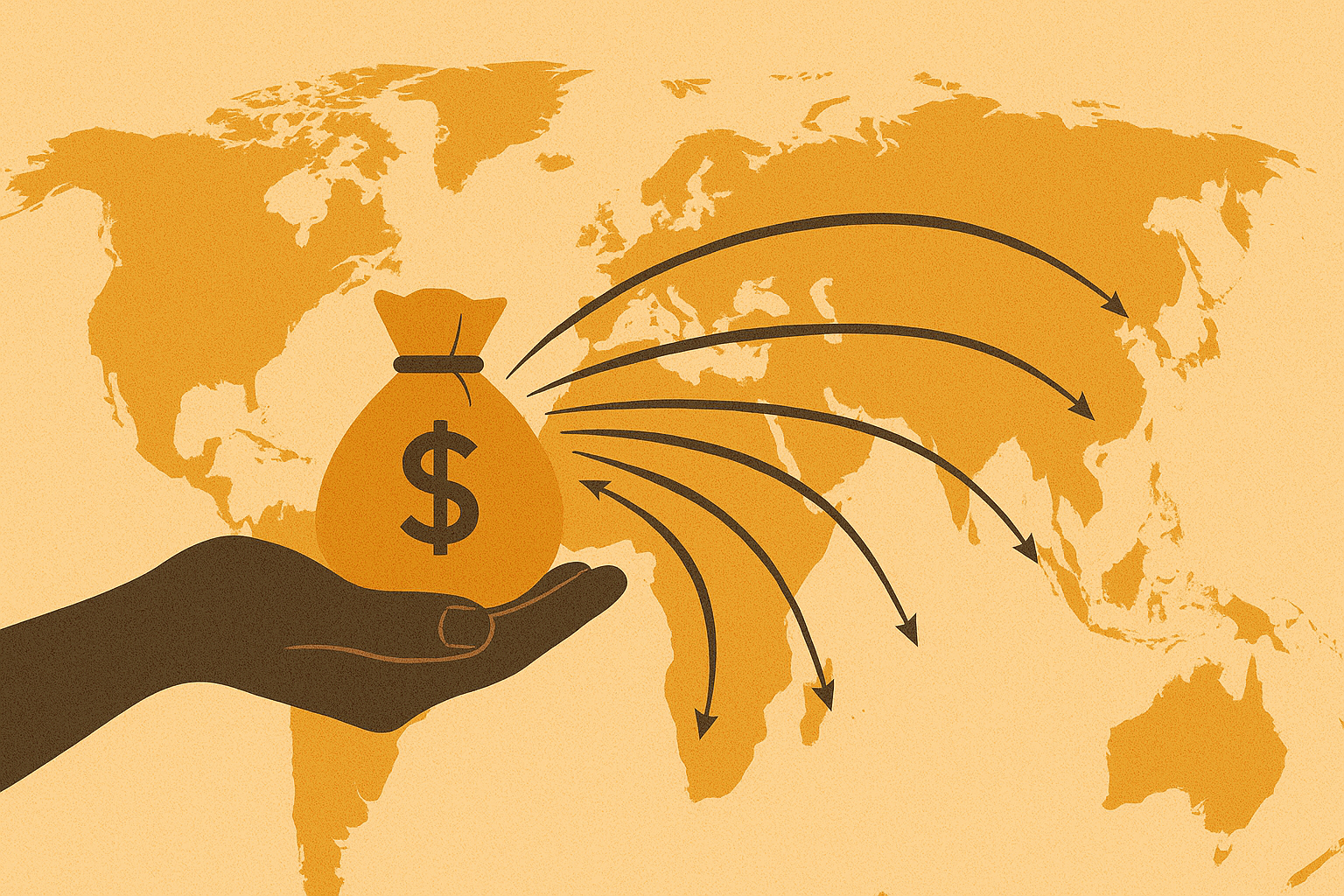
Over 80% nations got loans from China in the last two decades
The Hindu
Key Arguments Presented
A. China’s lending footprint is global and massive
- Nearly 2,500+ projects, across 20 years, involving loans, credits, and commercial lines.
- Over 95% of loans from Chinese state-owned banks.
B. United States as the top recipient
- Chinese entities lent $200+ billion to US entities, mostly commercial (e.g., corporate bonds, investments).
- Only ~7% of China’s global loans were “developmental”.
C. Shift in lending trend
- Earlier: focus on Africa, Asia (Belt and Road).
- Now: more lending to high-income and upper-middle-income countries.
D. Tighter global economic environment
- Defaults and restructuring have increased.
- Beijing has reduced exposure to risky economies.
E. Larger geopolitical message
- China’s lending provides both development opportunities and strategic leverage, creating a complex global economic web.
3. Author’s Stance
The tone is factual and descriptive, leaning towards caution about:
- China’s rising global influence
- The shift toward commercial, profit-driven lending
- The risks to low-income countries receiving Chinese loans
There is no overt criticism, but a consistent emphasis on data-driven geopolitical analysis.
4. Potential Biases or Gaps
Possible Biases
- Focus on China's scale may create an impression of over-dominance, with less exploration of Western lending mechanisms (IMF/World Bank influence).
- Assumes Chinese lending is primarily strategic; doesn’t deeply examine internal economic motives such as excess capacity in China.
Missing Context
- Debt-trap diplomacy debate is not examined.
- Lack of discussion on repayment terms, interest rates, or loan conditionalities.
- The article does not examine comparison with US/IMF lending styles, which would clarify the distinctiveness of Chinese loans.
Overly Simplified
- Treating all loans as similar ignores variation between:
- Commercial bonds
- Resource-backed loans
- Sovereign debt
- Project financing
5. Pros & Cons of the Article
Pros
- Good use of comparative charts and visual data.
- Helps UPSC aspirants understand the geo-economic rise of China.
- Explains shift in China’s global lending portfolio clearly.
- Highlights that US is a top Chinese debtor, breaking popular assumptions.
Cons
- Does not explore the impact on domestic politics or sovereignty of recipient nations.
- Fails to mention restructuring patterns (e.g., Zambia, Sri Lanka).
- No clear explanation of China’s motives — economic, strategic, surplus capital management, or geopolitical influence.
- Insufficient critique of data reliability, especially in opaque Chinese financing.
6. Policy Implications
A. For India
- Need to strengthen regional financing alternatives (such as India’s role in the IMF, ADB, New Development Bank).
- The article shows India received $18.1 billion from China (commercial). This necessitates:
- Monitoring dependence
- Securing supply chains
- Avoiding strategic vulnerabilities
B. For developing countries
- Critical need for debt transparency, especially in BRI nations.
- Adoption of sustainability frameworks for external borrowing.
C. For global geopolitics
- China’s role as a global lender challenges the Western financial order led by IMF/WB.
- Increased bargaining power for countries seeking infrastructure financing.
- Rise in multipolar financial architecture.
7. Real-World Impact
Positive
- Infrastructure growth: transport, energy, digital networks.
- Access to alternative financing outside traditional Western lenders.
- Opportunities for emerging economies to tap Chinese capital for rapid development.
Negative
- Risk of unsustainable debt burdens.
- Increased Chinese leverage in domestic policy of borrower countries.
- Potential geopolitical dependency (e.g., strategic port/control risks).
- Reduced fiscal sovereignty during restructuring crises.
8. UPSC Relevance
GS Paper 2 – International Relations
- China’s expanding influence
- Debt diplomacy
- Global South engagement
- India-China strategic rivalry
- Multi-polarity in global governance
GS Paper 3 – Economy
- External debt sustainability
- Development financing patterns
- Global capital flows
- Role of state-owned banks in geopolitics
Essay
- “Globalisation and emerging financial dependencies”
- “Rise of new global power centres”
GS Paper 1
- Impact of global geopolitics on development patterns.
9. Balanced Conclusion
The article provides valuable insights into China’s emergence as the world’s most prolific lender, reshaping the global economic landscape over the past two decades. While the lending has supported infrastructure and growth, particularly in developing nations, the increasing commercial nature of Chinese finance and rising debt vulnerabilities create systemic risks.
Future global economic stability will depend on:
- Greater transparency in loan terms,
- Strengthened multilateral debt restructuring mechanisms,
- India and like-minded nations offering credible financing alternatives, and
- Borrower countries adopting prudent long-term debt management.
China’s global lending is no longer a peripheral story — it is central to understanding the contemporary world economy, geopolitics, and structural changes in global power distribution.
