

Real Import of Export Nos
Times Of India
Context and Central Theme
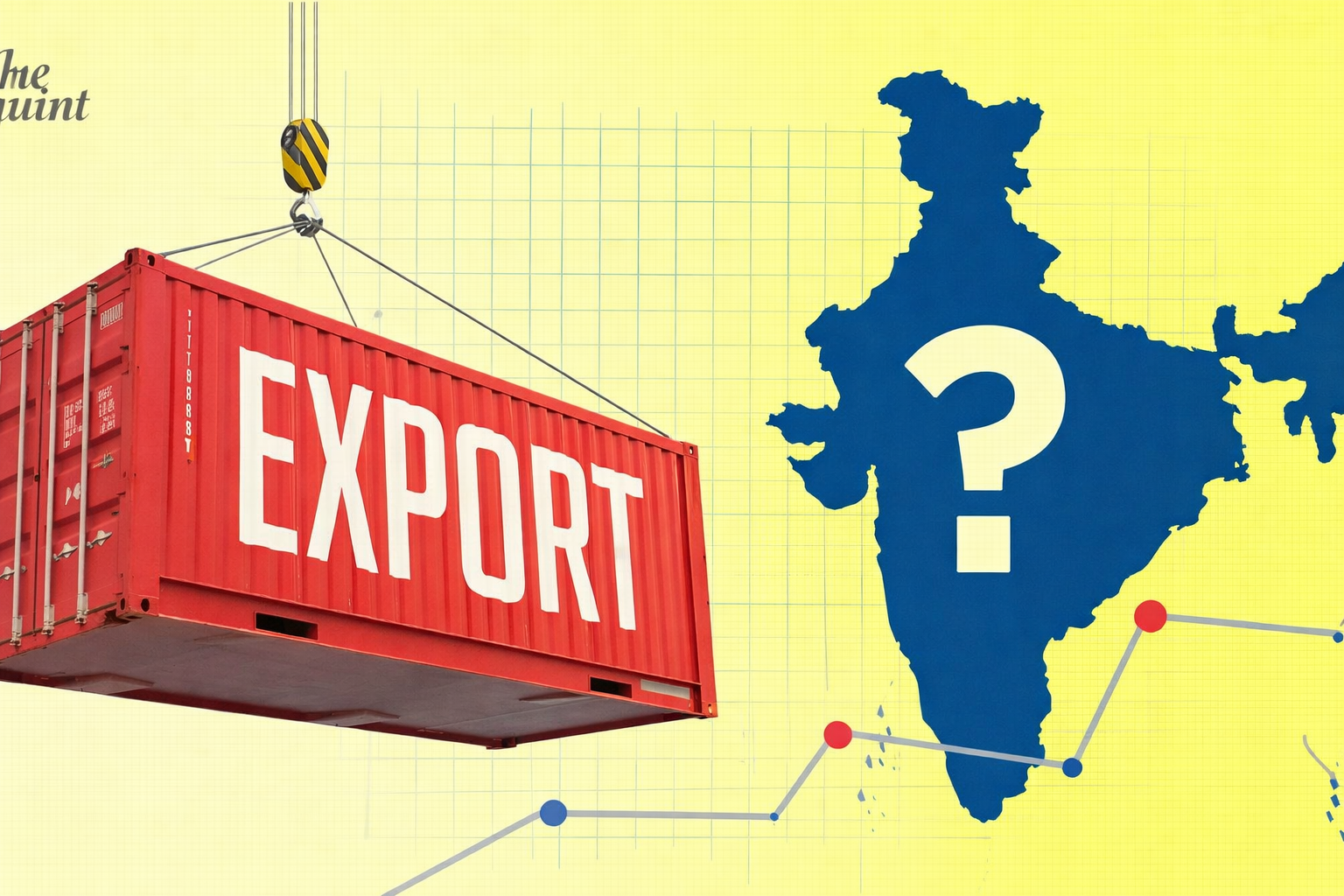
The article uses China’s exceptionally large trade surplus to interrogate structural contradictions in its economic model, arguing that headline export numbers conceal deeper vulnerabilities. Rather than celebrating export dominance, the piece reframes the surplus as a signal of imbalanced growth, weak domestic demand, and systemic dependence on external markets. The thrust is analytical rather than descriptive, aimed at questioning conventional interpretations of trade success.
Key Arguments Advanced
1. Trade Surplus as a Symptom, Not a Strength
The core argument is that China’s export surplus is not an unambiguous indicator of economic health. Instead, it reflects:
- Chronic under-consumption by households
- Excess industrial capacity
- Over-reliance on external demand to absorb domestic production
Exports are portrayed as a pressure valve for internal structural problems rather than evidence of competitiveness alone.
2. Suppressed Domestic Demand
The article highlights how:
- High household savings, weak social security, and limited income growth constrain consumption
- The state-led investment model prioritises production over welfare
This results in an economy that produces more than its citizens can consume, necessitating aggressive export strategies.
3. Export-Led Growth and Global Frictions
China’s surplus is linked to:
- Rising trade tensions
- Accusations of dumping and unfair industrial policy
- Pushback from advanced economies seeking to “re-shore” or diversify supply chains
Thus, export dependence is shown to generate geopolitical and economic resistance abroad.
4. Financial and Demographic Stress
The article connects trade figures to deeper issues:
- A property-sector slowdown reducing domestic investment demand
- Demographic ageing limiting future growth potential
- Weak transmission of growth to household incomes
Author’s Stance
The stance is critical and revisionist. The author deliberately challenges the mainstream narrative that equates export surpluses with economic success. The tone is cautionary, suggesting that China’s numbers mask fragilities that could constrain long-term stability.
The article implicitly warns against copying export-led models without strong domestic demand foundations, a point particularly relevant for developing economies like India.
Biases and Limitations
1. Normative Preference for Consumption-Led Growth
- The analysis assumes that higher domestic consumption is inherently superior, underplaying contexts where export-led growth has historically delivered rapid poverty reduction.
2. Limited Recognition of State Capacity
- China’s ability to manage transitions through fiscal control, industrial policy, and administrative coordination is not fully acknowledged.
- The article leans towards highlighting vulnerabilities over adaptive capacity.
3. External Perspective Bias
- The framing aligns closely with concerns prevalent in Western economic discourse on trade imbalances and industrial overcapacity.
Pros of the Argument
- Encourages deeper reading of macroeconomic indicators beyond headline figures
- Highlights the link between trade, domestic welfare, and political economy
- Useful corrective to simplistic “export success” narratives
- Offers comparative insights valuable for policy learning in India
Cons and Gaps
- Understates historical role of exports in China’s rapid industrialisation
- Does not fully explore alternative adjustment paths within China’s model
- Risks over-interpreting short- to medium-term imbalances as structural inevitabilities
Policy Implications
1. For China
- Need to rebalance growth towards consumption and services
- Strengthen social security to reduce precautionary savings
- Reduce overcapacity in manufacturing and construction
2. For India
- Caution against excessive dependence on exports without:
- Income growth
- Social protection
- Domestic market deepening
- Reinforces the importance of a balanced growth model combining manufacturing, services, and consumption
Real-World Impact
- Helps policymakers and analysts interpret global trade tensions more structurally
- Informs debates on supply-chain diversification and industrial policy
- Shapes investor perceptions of long-term risks in export-dependent economies
UPSC GS Paper Alignment
GS Paper III – Indian Economy
- Growth models: export-led vs consumption-led
- Balance of payments and trade policy
- Structural transformation and industrial policy
GS Paper II – International Relations
- Trade tensions, economic diplomacy, and global governance
- Impact of economic structures on geopolitical relations
GS Paper I – Society (Indirect)
- Demography and its economic implications
Balanced Conclusion and Future Perspective
The article compellingly argues that China’s export surplus should be read as a diagnostic indicator rather than a trophy statistic. By linking trade numbers to domestic consumption, demographics, and global tensions, it provides a nuanced critique of export-heavy growth models. However, a fully balanced assessment would also recognise China’s historical success in leveraging exports for development and its capacity for policy adaptation. For UPSC aspirants, the key takeaway lies in resisting headline economics and instead analysing what macroeconomic numbers reveal about underlying social, institutional, and political structures.
