
SCO Civilisational Dialogue Forum: India Uses Culture to Anchor the SCO

SCO Civilisational Dialogue Forum: India Uses Culture to Anchor the SCO
Source: The Indian Express
Why in News?
PM Modi inaugurated the first SCO Civilisational Dialogue Forum at Purana Qila, New Delhi, on 20 November 2026, opening a three-day event (20-22 November) on the theme "Vasudhaiva Kutumbakam: The World Is One Family". India proposed the forum at the 2025 Tianjin SCO Summit, and the Bishkek Declaration of the 26th SCO Council of Heads of State (September 2026) welcomed it. Culture ministers and delegates from over 20 countries attended.
Background
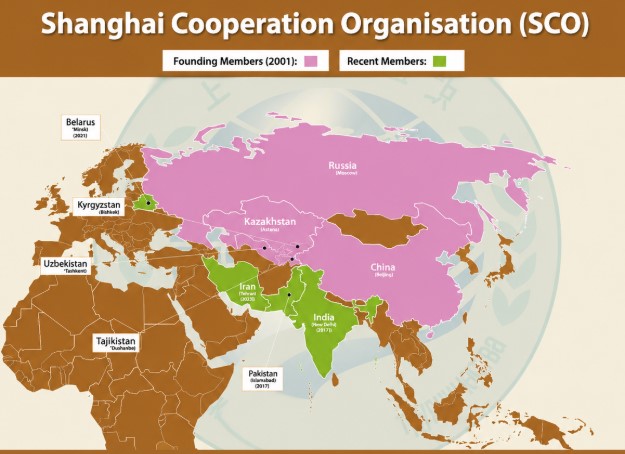
- SCO: set up in 2001, with a Secretariat in Beijing. Its ten members are China, Russia, India, Pakistan, Kazakhstan, Kyrgyzstan, Tajikistan, Uzbekistan, Iran and Belarus. India and Pakistan became full members in 2017.
- UPSC Mains 2021 asked candidates to examine the aims of the SCO and its importance for India.
- Context of the event: Pahalgam attack and Operation Sindoor (April-May 2025) strained India-Pakistan ties, and wars elsewhere dominate global debate.
|
· About: The SCO is a Eurasian political, economic, and international security organization established in 2001. It is the world's largest regional organization by both geographic scope and population, covering approximately 65% of Eurasia and 42% of the global population. Member States: · Founding Members (2001): China, Kazakhstan, Kyrgyzstan, Russia, Tajikistan, and Uzbekistan. The first five nations originally formed the precursor group, the "Shanghai Five," in 1996 to resolve border disputes. · Subsequent Expansions: India and Pakistan joined in 2017, Iran joined in 2023, and Belarus became the newest member in July 2024. · Observer States & Dialogue Partners: Several other nations, including Afghanistan and Mongolia, engage with the SCO as observers, while countries like Turkey, Azerbaijan, and Sri Lanka hold Dialogue Partner status. Core Objectives: · Security: The SCO's primary mandate is combating what it defines as the "three evils": terrorism, separatism, and extremism. It facilitates intelligence sharing, border demilitarization, and joint military exercises among member states. · Economic & Political Cooperation: The organization focuses on building regional trade networks, developing energy transport corridors, and fostering diplomatic alignment among Eurasian nations. Institutional Structure · Heads of State Council (HSC): The supreme decision-making body of the SCO, which meets annually to adopt major guidelines and strategic priorities. · SCO Secretariat: The primary administrative body, headquartered in Beijing, China. · SCO CHG: It is the second-highest council in the organization (after the Council of Heads of State). It is primarily responsible for handling the grouping's trade, economic, and cultural agenda, as well as approving the SCO's annual budget. · Regional Anti-Terrorist Structure (RATS): A permanent counter-terrorism body headquartered in Tashkent, Uzbekistan. · RATS coordinates day-to-day intelligence sharing, maintains databases on terrorist organizations, and oversees capacity-building operations for member states' security agencies. |