

Shanti’s Vision: Transforming Energy into Strength
Morning Standard
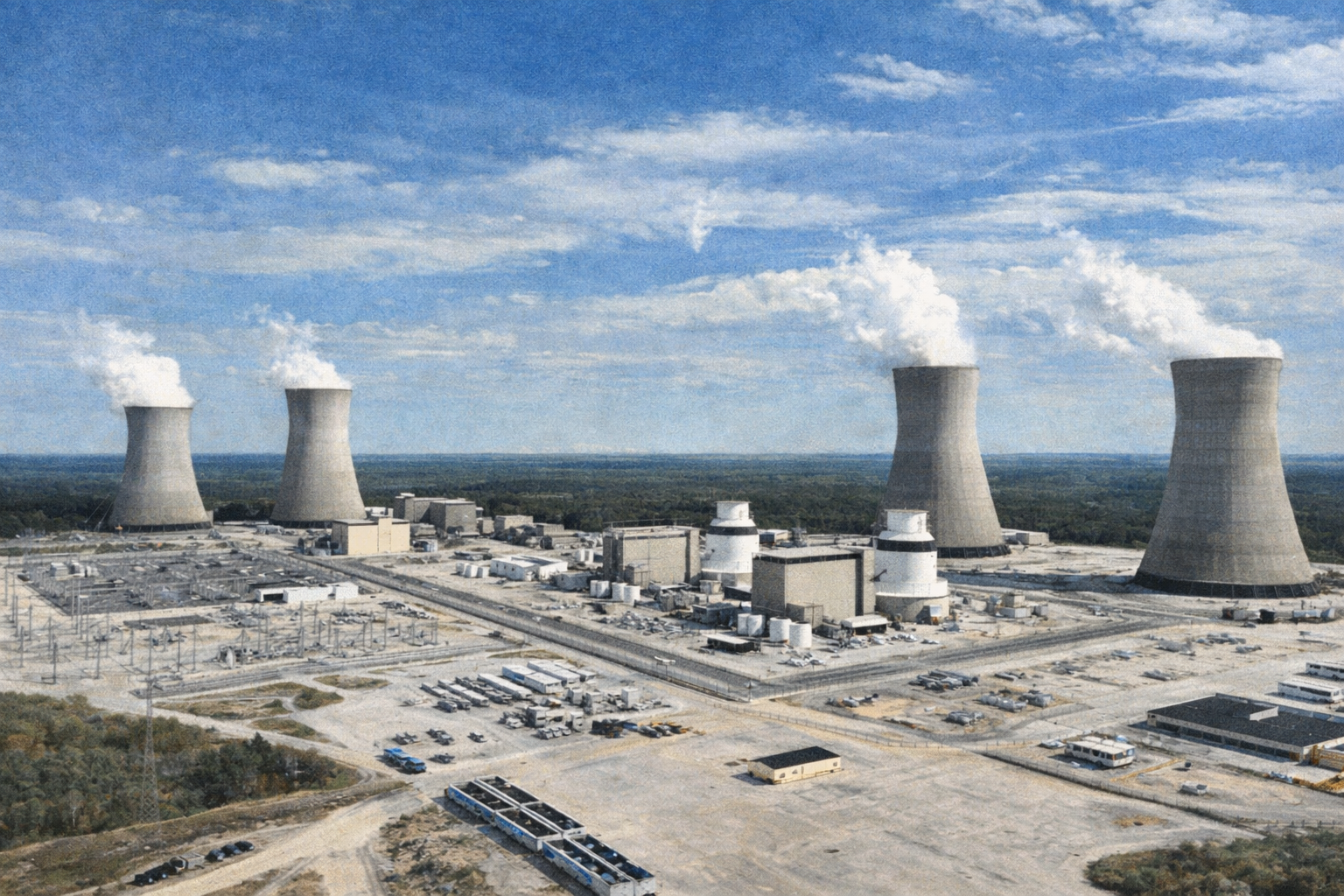
I. Core Theme and Context
The article presents and defends the SHANTI Bill (Sustainable Harnessing and Advancement of Nuclear Energy for Transforming India Bill, 2025) as a foundational reform of India’s nuclear governance architecture. Framed through a metaphor of gradual but powerful transformation, it argues that India has reached a stage where nuclear energy must shift from a strategic, state-centric sector to a scaled, civilian-facing, development-oriented energy pillar.
The core context is India’s aspiration for energy security, low-carbon growth, technological self-reliance, and reliable baseload power in a high-growth economy.
II. Key Arguments Presented
1. Need for Institutional Modernisation
The article argues that India’s nuclear framework—anchored in legacy laws such as the Atomic Energy Act, 1962 and the Civil Liability for Nuclear Damage Act, 2010—was designed for a different era. The SHANTI Bill is presented as a modern, unified legal architecture that aligns regulation, safety, liability, and innovation.
2. Statutory Empowerment of the Regulator
A central claim is that granting statutory status to the Atomic Energy Regulatory Board (AERB) strengthens safety oversight, credibility, and transparency, correcting a long-standing institutional gap.
3. Enabling Private and Public-Private Participation
The article positions controlled private participation—especially in Small Modular Reactors (SMRs)—as essential for scaling capacity, innovation, and investment without compromising sovereign control over sensitive fuel-cycle activities.
4. Graded Liability and Faster Redress
The Bill’s graded liability regime and creation of a specialised nuclear damage redress mechanism are framed as pragmatic solutions to investor hesitation and judicial delays, while still preserving victim compensation.
5. Nuclear Energy as a Developmental Enabler
Beyond electricity, nuclear energy is portrayed as a multiplier for healthcare, agriculture, research, AI infrastructure, and industrial reliability, linking energy policy with everyday citizen outcomes.
III. Author’s Stance
The author adopts a strongly affirmative and reform-oriented stance. The Bill is presented not merely as an energy reform but as a civilisational upgrade in governance capacity, signalling confidence in India’s technological maturity and regulatory readiness.
The stance is unapologetically pro-nuclear and pro-institutional reform, emphasising readiness over caution.
IV. Biases and Editorial Slant
1. Pro-Government and Insider Bias
Authored by a serving minister, the piece reflects an executive perspective, highlighting intent and design more than potential implementation pitfalls.
2. Technology-Optimist Framing
Risks associated with nuclear energy—waste disposal, long-term ecological concerns, and accident externalities—are downplayed in favour of safety assurances and regulatory strength.
3. Limited Public Dissent Perspective
Civil society concerns, public consent, and historical resistance to nuclear installations receive minimal attention.
V. Strengths of the Article
1. Clear Institutional Logic
The argument for unifying licensing, safety, and liability frameworks is coherent and policy-sound.
2. Strategic Alignment
Successfully links nuclear energy with climate commitments, digital infrastructure, and industrial growth.
3. Governance Emphasis
By focusing on regulatory empowerment and dispute resolution, the article addresses common governance bottlenecks.
4. High UPSC Relevance
Strong alignment with GS-III (Energy, Science & Technology) and GS-II (Institutions, Governance).
VI. Limitations and Gaps
1. Underexplored Environmental Concerns
Radioactive waste management, long-term storage, and inter-generational risks are insufficiently examined.
2. Liability Ethics
While graded liability aids investment, the ethical question of risk transfer from operators to the state is not critically discussed.
3. Federal and Local Dimensions
State governments’ roles, local consent, and land-use conflicts are largely absent.
VII. Policy Implications (UPSC Alignment)
GS Paper III – Energy & Science
• Nuclear energy as clean baseload power
• SMRs and emerging reactor technologies
• Energy security and decarbonisation
GS Paper II – Governance
• Statutory regulators and institutional autonomy
• Public-private participation in strategic sectors
GS Paper IV – Ethics
• Risk allocation and public safety
• Inter-generational responsibility in energy choices
VIII. Real-World Impact Assessment
Potential Gains
• Reliable low-carbon baseload power
• Reduced fossil fuel dependence
• Boost to healthcare, research, and digital infrastructure
• Greater investor confidence in nuclear sector
Potential Risks
• Social resistance if public trust is not built
• Long-term waste management challenges
• Moral hazard if liability dilution weakens accountability
The success of the Bill will depend less on its legal text and more on regulatory culture, transparency, and public engagement.
IX. Balanced Conclusion
The article persuasively presents the SHANTI Bill as a confidence statement in India’s nuclear maturity. It marks a shift from nuclear exceptionalism to institutional normalisation, integrating nuclear power into everyday development planning.
However, technological confidence must be matched by democratic legitimacy and environmental prudence. Legal reform alone cannot substitute for public trust.
X. Future Perspective
• Strengthen independent regulatory capacity beyond formal status
• Build transparent nuclear waste management frameworks
• Ensure state and community participation in site decisions
• Periodically review liability and safety norms
• Integrate nuclear energy within a diversified, resilient energy mix
