

The row over US animal feed
The Tribune
Context and Core Issue
The article examines the controversy surrounding India’s decision to allow imports of US-origin DDGS (Distillers Dried Grains with Solubles), a by-product of ethanol production used as animal feed. The move has triggered debate over GMO contamination, biosafety, farmer interests, trade concessions, and feed economics.
The central tension lies between trade liberalisation commitments and domestic agricultural safeguards.
Key Arguments Presented
Trade concession under broader negotiations
The decision to permit DDGS imports is framed as part of a wider India–US trade understanding. It reflects India’s willingness to offer selective market access.
GMO contamination concerns
Critics argue that US DDGS is often derived from genetically modified maize. There are apprehensions that allowing imports could dilute India’s cautious GMO regulatory framework.
Feed cost efficiency argument
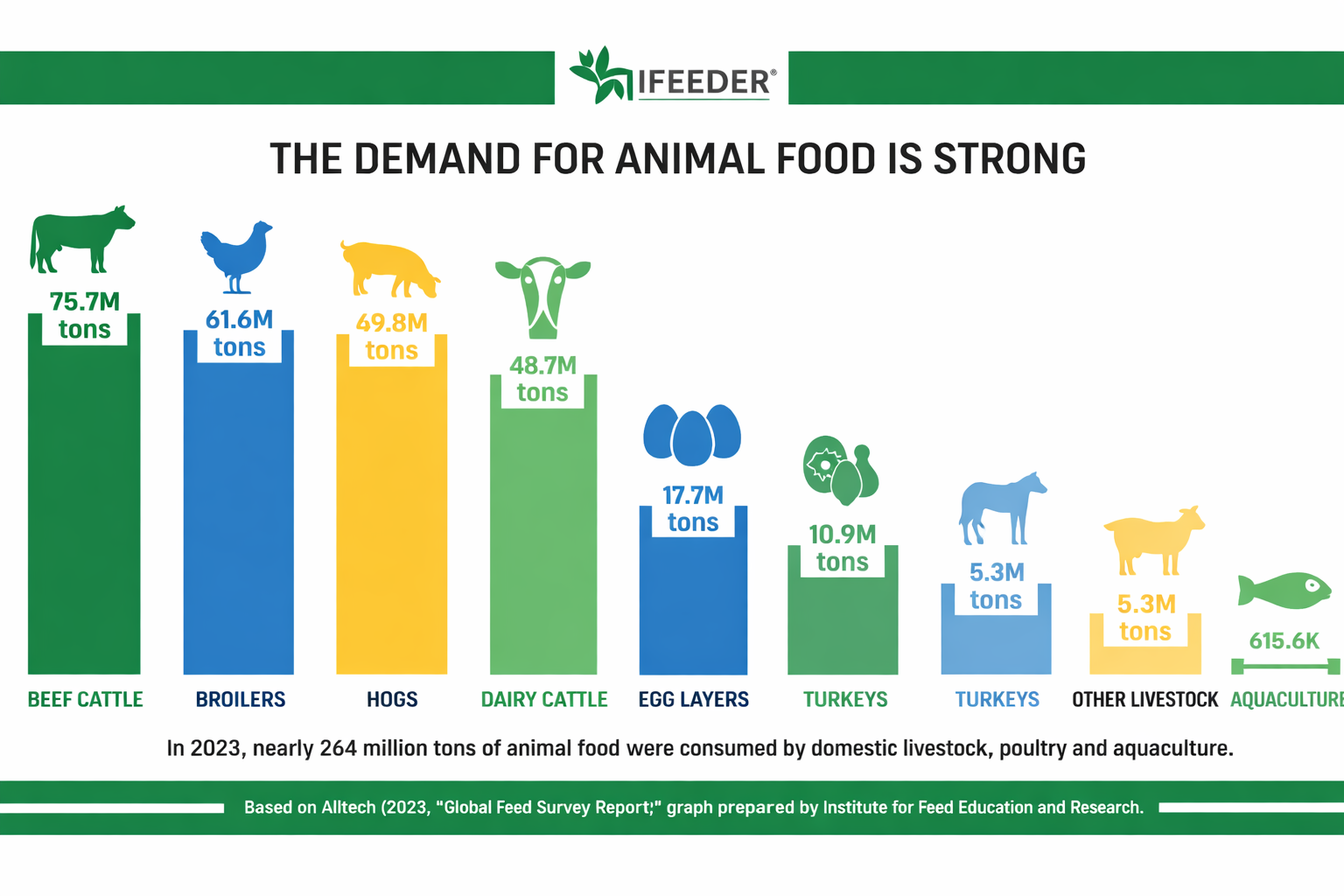
Supporters highlight that DDGS is a protein-rich and cost-effective alternative for livestock and poultry feed. It may reduce input costs for dairy and poultry sectors.
Impact on domestic oilseed and maize farmers
Domestic soybean and maize producers fear price pressure and market displacement if cheaper imports flood the market.
Regulatory safeguards promised
Authorities claim that import conditions and testing protocols will prevent GMO spillover into the food chain.
Author’s Stance
The article adopts a balanced but cautious stance. While presenting economic benefits of feed imports, it foregrounds biosafety and farmer concerns. The tone suggests that trade concessions must not compromise regulatory vigilance.
Biases and Perspective
Precautionary biosafety bias
The article gives substantial weight to GMO-related apprehensions, reflecting India’s historically cautious biotech policy.
Farmer-protection lens
The interests of domestic producers receive prominence, aligning with India’s politically sensitive farm sector.
Limited long-term trade integration perspective
The structural benefits of deeper agri-feed trade integration are not extensively explored.
Pros and Cons Highlighted
Pros
- Reduces feed costs for dairy and poultry sectors
- Supports livestock productivity
- Signals flexibility in trade negotiations
- Diversifies feed supply sources
Cons
- Potential GMO contamination risk
- Threat to domestic maize and soybean farmers
- Biosafety enforcement challenges
- Risk of undermining India’s cautious biotech policy
Policy Implications
GMO regulatory clarity
India must ensure robust testing, traceability, and labelling standards to avoid regulatory dilution.
Trade-agriculture balance
Selective concessions must be calibrated to protect small farmers from import shocks.
Feed security strategy
Encouraging domestic production of high-protein feed alternatives can reduce dependence on imports.
Inter-ministerial coordination
Commerce, Agriculture, and Environment ministries must align policy to avoid conflicting signals.
Real-World Impact
- Livestock farmers may benefit from lower feed costs
- Oilseed and maize growers could face price competition
- Consumers may indirectly benefit through stable milk and poultry prices
- Regulators face heightened scrutiny over GMO compliance
UPSC GS Paper Alignment
GS Paper III (Economy & Agriculture)
- Trade policy and agricultural imports
- GMO regulation and biosafety
- Farm sector competitiveness
GS Paper II (Governance)
- Regulatory frameworks and compliance
- Centre–State agricultural policy coordination
Essay Paper
- “Balancing trade liberalisation with farmer protection”
- “Biotechnology and food security: opportunity or risk?”
Balanced Conclusion and Future Perspective
The controversy over US DDGS imports reflects a broader dilemma in India’s trade policy: reconciling economic pragmatism with biosafety caution and farmer protection. Lower feed costs can strengthen livestock sectors, but regulatory dilution or unmanaged imports could generate long-term vulnerabilities.
Going forward, India must adopt a calibrated trade strategy backed by stringent biosafety enforcement and domestic capacity-building in feed production. Sustainable trade integration demands that economic efficiency, environmental safety, and farmer livelihoods move in tandem rather than in conflict.
