

West Asia–North Africa: Ocean of opportunities
Hindustan Times
I. AUTHOR’S CENTRAL ARGUMENT
The article argues that India’s deepening engagement with the West Asia–North Africa (WANA) region—highlighted by high-level diplomatic outreach—presents a multi-dimensional strategic opportunity. Beyond energy security, the region offers scope for collaboration in trade, connectivity, technology, defence, food security, and maritime stability, especially amid global uncertainty and shifting power equations. The author suggests that India should move from transactional ties to structured, long-term partnerships, leveraging complementarities across economies.
II. KEY ARGUMENTS PRESENTED
- Strategic Geography and Connectivity
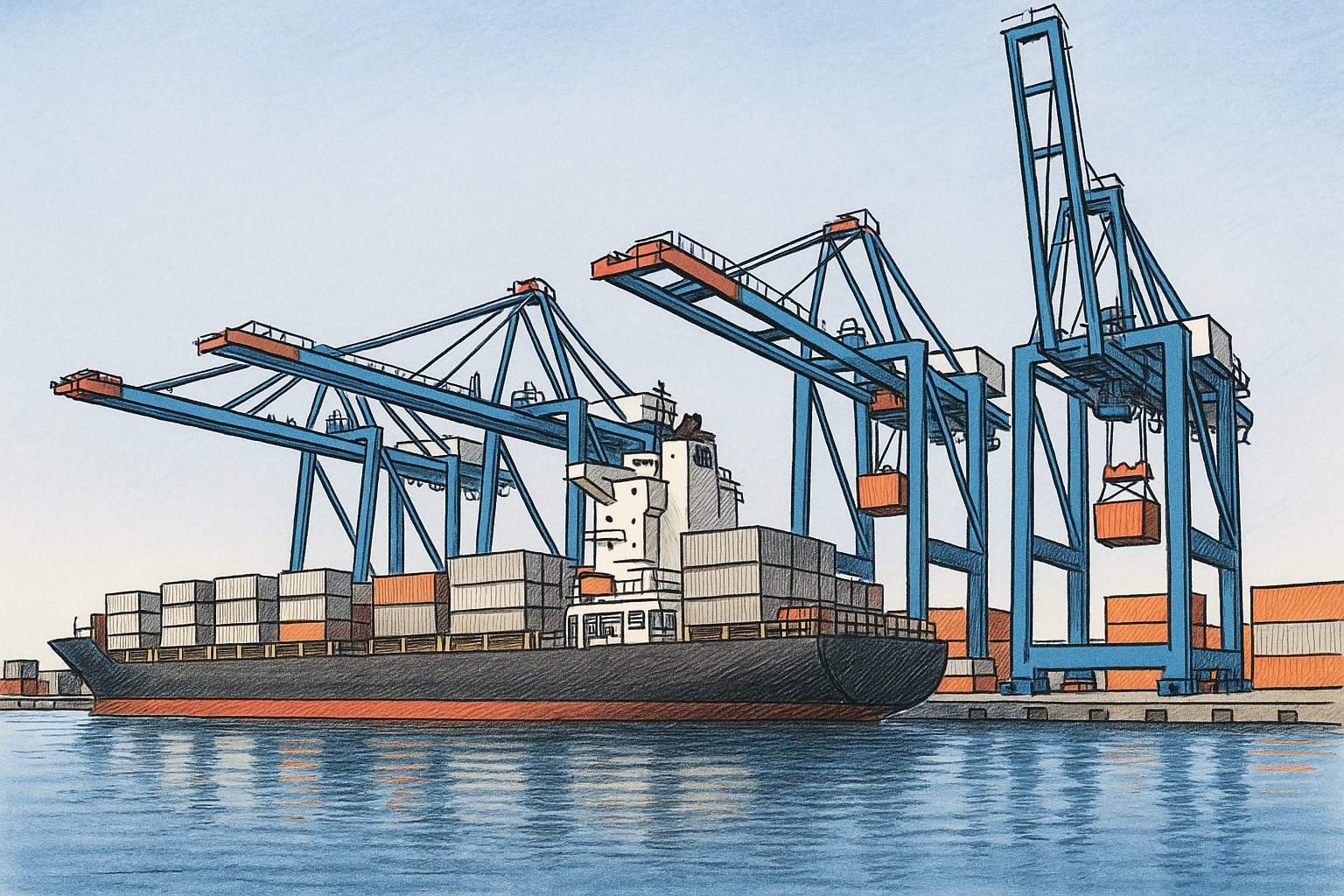
– WANA sits astride critical sea lanes and chokepoints linking Europe, Africa, and Asia.
– Stability and partnerships here directly affect India’s maritime security and trade routes. - Economic Complementarities
– The region offers capital, energy resources, and logistics hubs; India brings markets, manpower, technology, and services.
– Scope for collaboration in infrastructure, ports, logistics, fintech, and digital public goods. - Energy Transition and Security
– Traditional hydrocarbon ties are expanding into renewables, green hydrogen, and climate technologies.
– Long-term energy security requires diversification and co-investment. - Geopolitical Flux as Opportunity
– Rivalries among major powers and regional recalibration create space for India’s balanced diplomacy.
– India is positioned as a non-intrusive, trusted partner. - Security Cooperation
– Counter-terrorism, maritime domain awareness, and defence collaboration are growing priorities.
– Shared concerns over piracy, conflict spillovers, and supply chain disruptions. - Diaspora and Soft Power
– Large Indian diaspora acts as an economic and cultural bridge, reinforcing people-to-people ties.
III. AUTHOR’S STANCE AND POSSIBLE BIASES
- Strongly Opportunity-Driven Framing
– Emphasises prospects more than risks, projecting an optimistic outlook. - India-Centric Strategic Lens
– Interprets regional dynamics primarily through India’s interests and capacities. - Understatement of Regional Volatility
– Political instability, conflicts, and governance deficits are acknowledged but not deeply interrogated. - Assumption of Diplomatic Bandwidth
– Presumes India can scale engagement across a complex region simultaneously.
IV. PROS OF THE ARTICLE (Strengths)
1. Broadens the Narrative Beyond Energy
– Moves past oil-centric engagement to a diversified partnership model.
2. Integrates Economics, Security, and Diplomacy
– Reflects a comprehensive foreign-policy approach.
3. Timely Geopolitical Contextualisation
– Recognises multipolar shifts and India’s strategic space.
4. Highlights India’s Comparative Advantages
– Technology, human capital, and non-hegemonic posture.
5. High UPSC Relevance
– Directly aligns with GS-II (International Relations) and GS-III (Energy, Trade, Security).
V. CONS OF THE ARTICLE (Critical Gaps & Limitations)
1. Risk Assessment is Thin
– Underplays exposure to conflict escalation, regime instability, and supply disruptions.
2. Limited Institutional Roadmap
– Lacks detail on mechanisms to translate opportunity into sustained outcomes.
3. Overlooks Domestic Capacity Constraints
– India’s project execution, financing, and coordination challenges are not examined.
4. Competition with Other Powers
– China, the EU, and the US presence is noted but not critically assessed in terms of crowding-out risks.
5. Social and Labour Dimensions
– Diaspora welfare and labour rights receive limited attention.
VI. POLICY IMPLICATIONS (UPSC GS-II & GS-III ALIGNMENT)
- India’s West Asia Policy (GS-II)
– Need for issue-based partnerships without entanglement in regional rivalries. - Energy and Climate Strategy (GS-III)
– Transition from buyer–seller ties to co-investment in clean energy. - Maritime Security and Trade (GS-III)
– Strengthening presence in the Indian Ocean–Red Sea continuum. - Diaspora Diplomacy (GS-II)
– Protecting migrant workers while leveraging remittances and skills. - Economic Diplomacy
– Aligning trade, connectivity corridors, and standards with domestic growth goals.
VII. REAL-WORLD IMPACT ASSESSMENT
- Expanded Trade and Investment Flows
– Infrastructure, logistics, and technology partnerships can scale rapidly. - Energy Resilience
– Diversified energy portfolio reduces vulnerability to shocks. - Security Cooperation Gains
– Enhanced maritime and counter-terrorism coordination. - Execution Risks
– Delays and geopolitical flare-ups can derail projects. - Diplomatic Balancing Test
– Managing relations amid regional rivalries requires sustained finesse.
VIII. BALANCED CONCLUSION
The article effectively frames West Asia–North Africa as a strategic opportunity space for India—economically, diplomatically, and in security terms. It rightly argues for moving beyond narrow transactionalism toward long-term, diversified partnerships anchored in mutual benefit.
However, opportunity must be weighed against volatility, competition, and capacity constraints. Success will depend not merely on diplomatic outreach but on institutional follow-through, risk management, and alignment with India’s domestic capabilities.
IX. FUTURE PERSPECTIVES (UPSC MAINS-READY POINTS)
- Institutionalise sector-specific partnerships beyond energy.
- Invest in maritime security across the Indian Ocean–Red Sea corridor.
- Balance strategic autonomy with selective alignment.
- Prioritise diaspora protection alongside economic engagement.
- Integrate climate and clean-energy cooperation into core diplomacy.
- Build project-execution capacity to sustain credibility.
