

Why France is the new Russia
The Tribune
I. Core Context
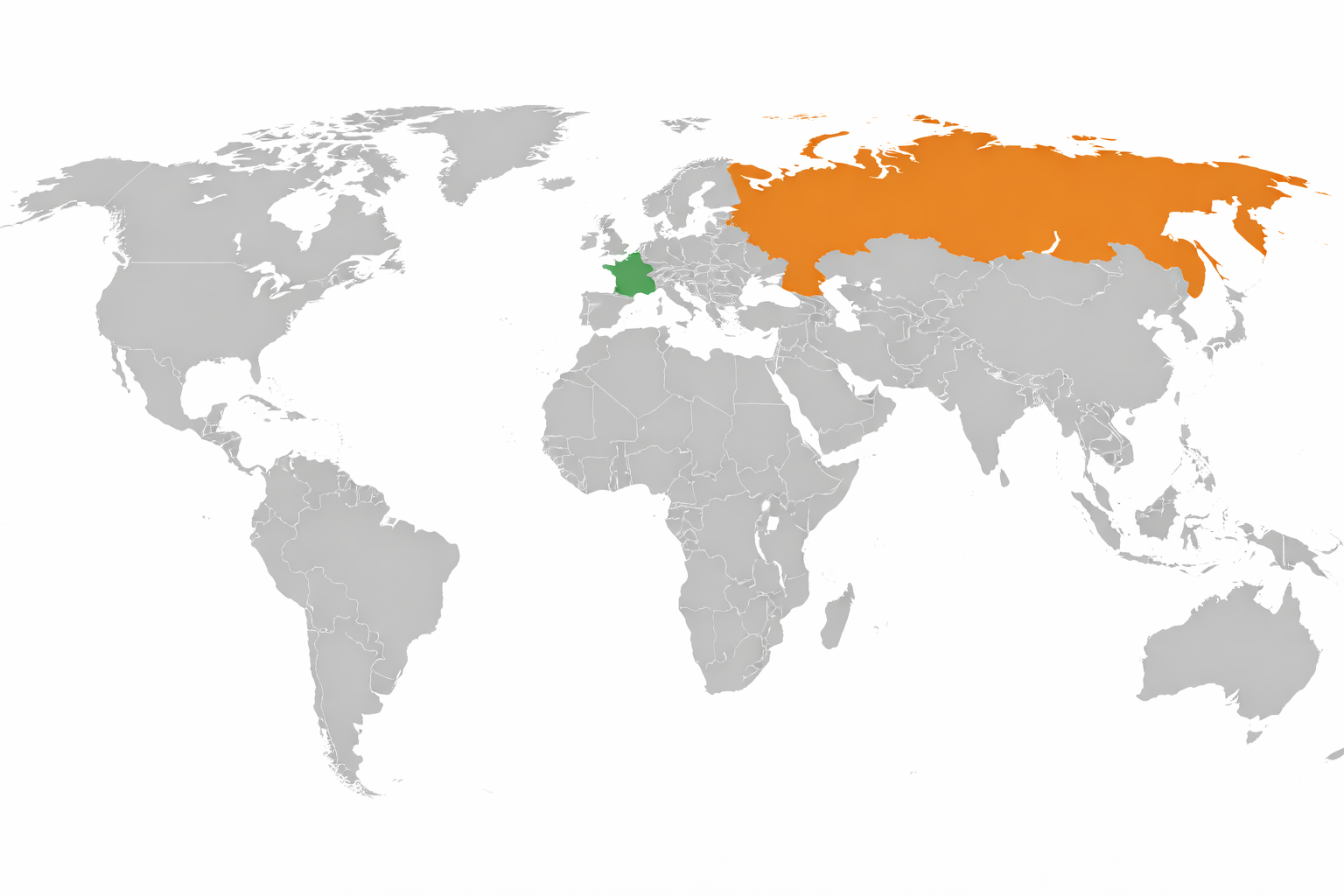
The article argues that France is increasingly replacing Russia as India’s principal defence partner.
It situates this shift within:
- Russia’s deepening strategic alignment with China
- Western sanctions on Russia post-Ukraine conflict
- India’s push for diversification of defence imports
- Strategic autonomy in foreign policy
The thesis: France has emerged as India’s most reliable long-term defence collaborator.
II. Key Arguments Presented
1. Declining Reliability of Russia
The article highlights:
- Russia’s growing proximity to China
- Supply chain disruptions due to Ukraine war
- Delays in defence deliveries
- Concerns over maintenance and spares
Russia’s historical role as India’s top arms supplier is portrayed as weakened.
2. France as a Trusted Alternative
France is presented as:
- Politically reliable
- Technologically advanced
- Willing to engage in joint production and co-development
Examples cited include:
- Rafale fighter aircraft
- Scorpene submarines
- Safran engine discussions
- Naval and aerospace cooperation
France is framed as offering deeper technology partnerships compared to transactional suppliers.
3. Strategic Autonomy and Multipolar Diplomacy
The article suggests that:
- France respects India’s strategic autonomy
- Paris avoids ideological pressure
- Indo-French relations are less conditional than US defence ties
France is seen as aligning with India’s preference for independent foreign policy.
4. Industrial and Technology Collaboration
The piece stresses:
- Local production and technology transfer
- Private sector partnerships
- Defence industrial ecosystem development
France is portrayed not just as a seller but as a collaborator.
III. Author’s Stance
The article adopts a strategic realist and pro-diversification stance.
Tone:
- Pragmatic
- Geopolitically grounded
- Cautiously supportive of France
It frames the shift as a rational response to changing geopolitical alignments.
IV. Possible Biases and Limitations
1. Overstated Replacement Narrative
The headline implies a complete substitution of Russia.
In reality:
- Russia remains a major supplier
- Legacy systems dependence continues
- Energy ties remain significant
The shift is gradual, not absolute.
2. Underexplored Cost Considerations
French defence systems are typically more expensive.
The article does not deeply analyse:
- Budgetary implications
- Cost-to-capability trade-offs
- Long-term maintenance economics
3. US and Other Players Underplayed
India’s defence diversification includes:
- US (P-8I, Apache, Chinook)
- Israel (missile systems)
- Domestic manufacturing push
France is important but not exclusive.
V. Pros and Cons of the Argument
Pros
• Highlights geopolitical realism
• Recognises changing Russia-China dynamics
• Emphasises co-development and Make in India
• Aligns defence with strategic autonomy
Cons
• Simplifies complex defence ecosystem
• Does not fully assess financial burden
• May understate legacy Russian dependence
• Limited analysis of France’s own constraints
VI. Policy Implications
1. Defence Diversification
India must:
- Avoid overdependence on any single supplier
- Maintain supply chain resilience
- Ensure interoperability
2. Technology Transfer Focus
Contracts should prioritise:
- Joint R&D
- Engine technology access
- Indigenous capability building
3. Strategic Autonomy
India’s foreign policy must balance:
- US partnership
- European collaboration
- Continued engagement with Russia
4. Atmanirbhar Bharat in Defence
The shift should strengthen:
- Domestic manufacturing
- Private defence startups
- Export potential
VII. Real-World Impact
If managed strategically:
- Reduced vulnerability to sanctions
- Enhanced indigenous capability
- Stronger Indo-Pacific cooperation
- Improved air and naval power
If poorly executed:
- Rising defence costs
- Interoperability complications
- Diplomatic balancing challenges
VIII. UPSC Relevance
GS Paper II
• India–France relations
• Strategic autonomy
• Russia–China dynamics
• Indo-Pacific partnerships
GS Paper III
• Defence indigenisation
• Technology transfer
• Strategic sectors
Essay Themes
• Strategic autonomy in a multipolar world
• Defence self-reliance and geopolitics
IX. Balanced Conclusion and Future Perspective
France is not simply “the new Russia.”
It is a critical pillar in India’s evolving multi-vector defence strategy.
India’s long-term interest lies not in replacement politics but in:
- Diversification
- Domestic capacity building
- Strategic flexibility
The real measure of success will not be the number of imported platforms, but the extent to which India converts partnerships into indigenous strength.
The future of Indian defence lies in balanced diplomacy and technological self-reliance, not dependency — old or new.
