Where Modern Humans and Neanderthals Became One
Source: Scientific Reports | September 03, 2024
The New Evidence
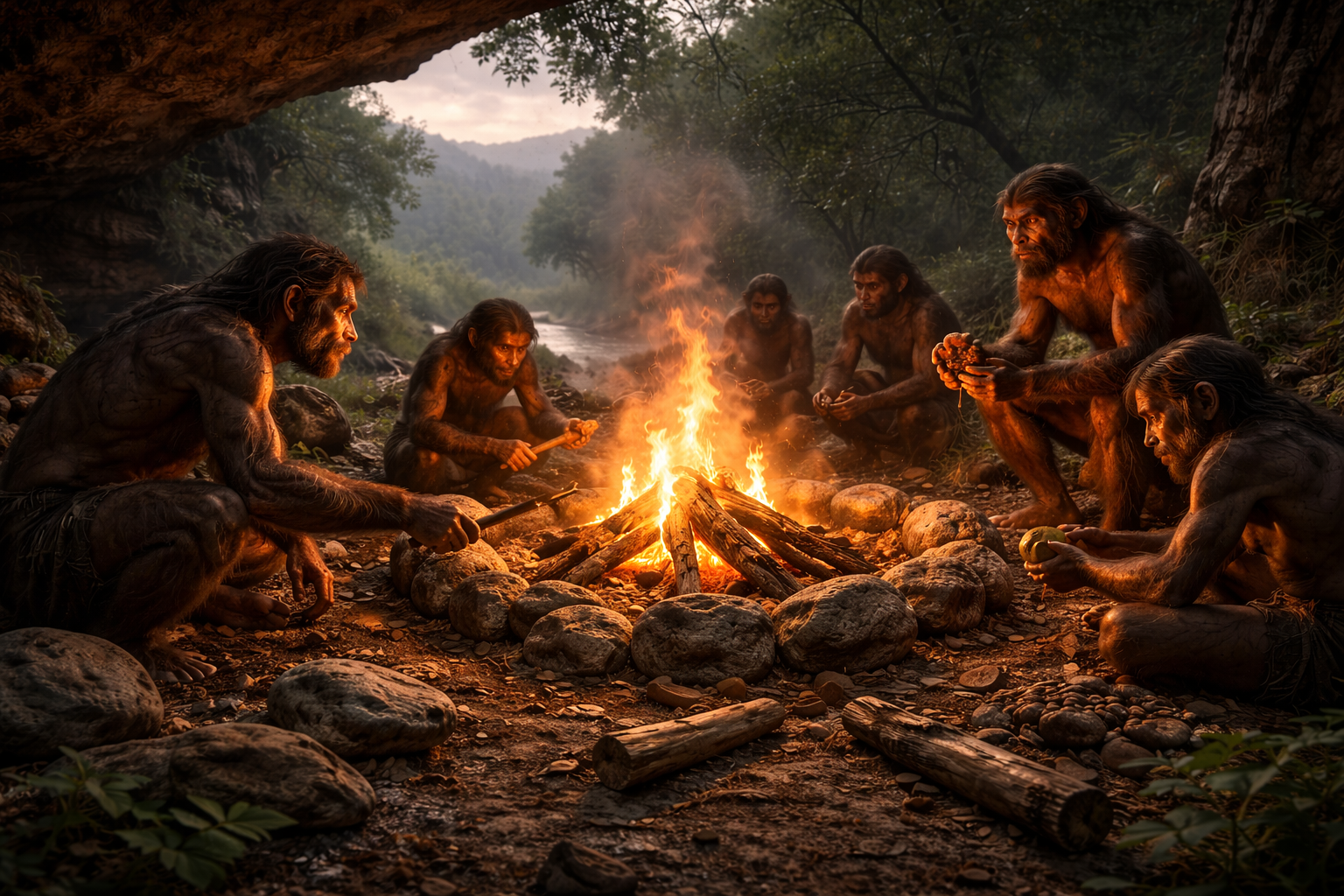
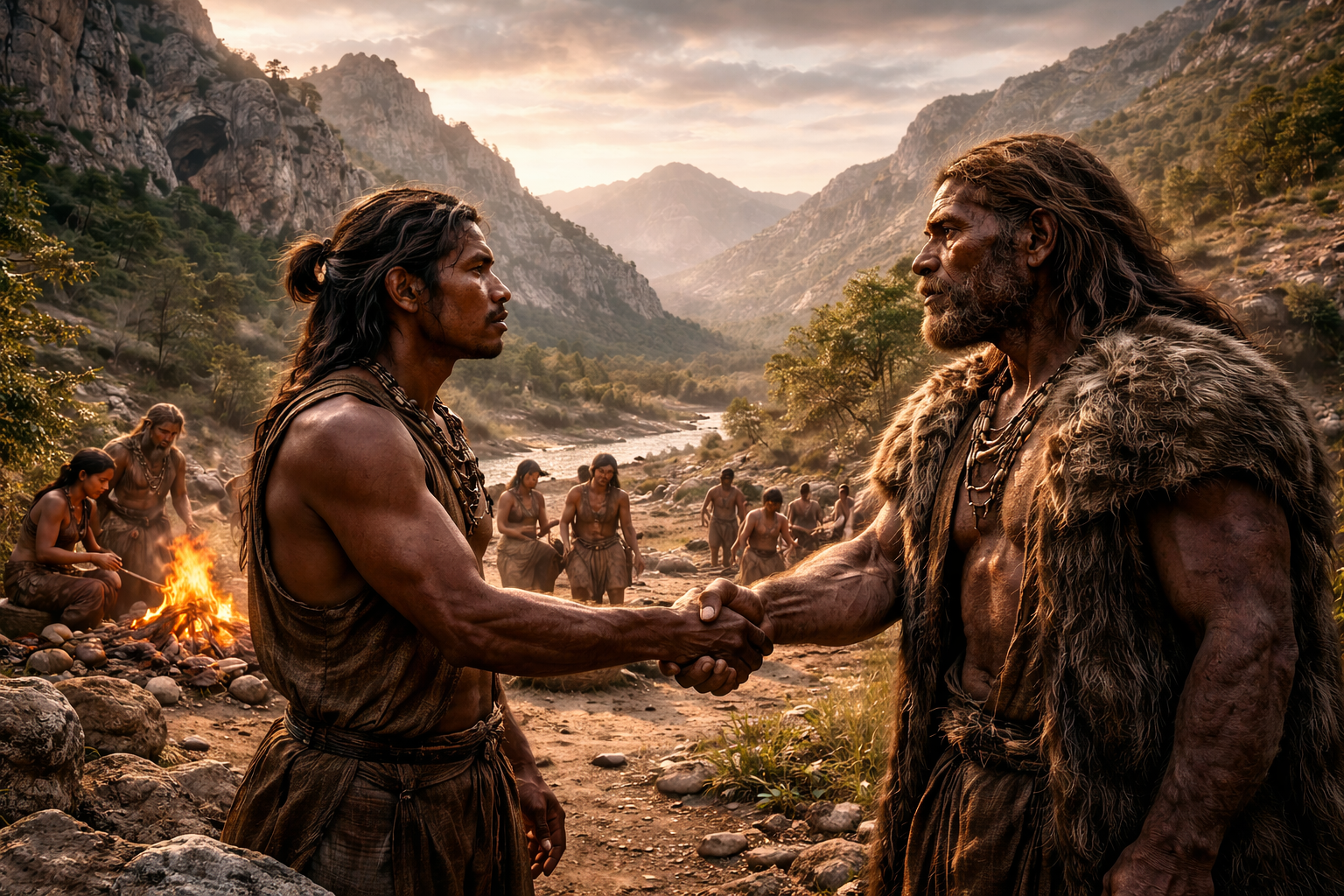
Recent research published in Scientific Reports by Guran et al. suggests that the Zagros Mountains of present-day Iran were a key geographical zone where Homo sapiens and Homo neanderthalensis interbred.
This interbreeding event has had a lasting evolutionary impact, as modern humans today still carry Neanderthal DNA.
How the Conclusion Was Reached
The researchers adopted an interdisciplinary approach, combining:
• Genetic data
• Archaeological evidence
• Fossil records
• Topographical and ecological analysis
This integrated method helped narrow down the most likely region where sustained contact between the two human species occurred.
Timing of Human Dispersal
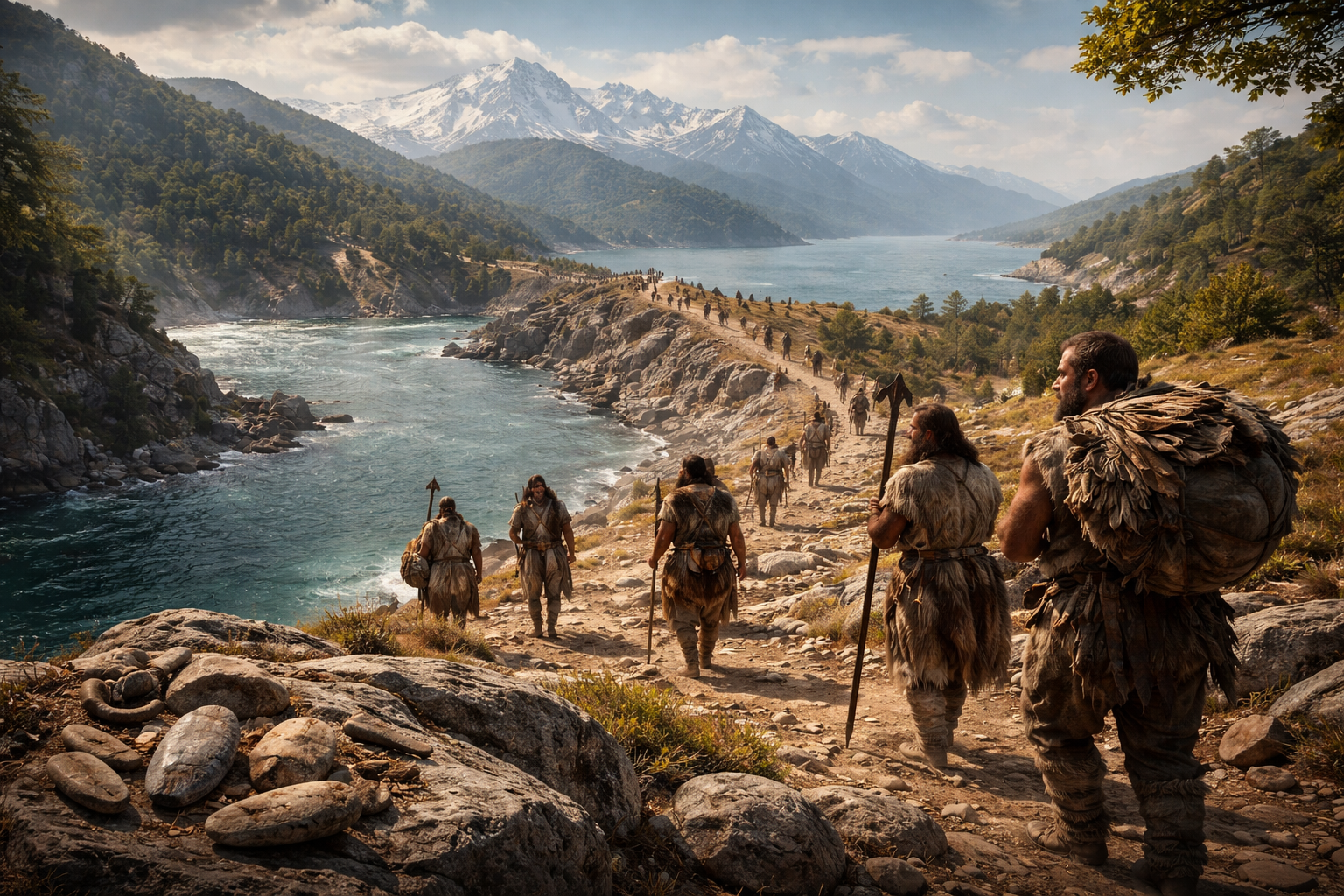
According to archaeological and fossil evidence, modern humans entered southwestern Asia between approximately 120,000 and 80,000 years ago.
This period overlaps with what researchers describe as the second major wave of interbreeding, which is still detectable in the genomes of present-day non-African populations.
Why the Zagros Mountains Matter
The Zagros region offered a unique ecological setting:
• Mountain corridors facilitating movement
• Diverse habitats supporting human populations
• A natural meeting zone between African-origin Homo sapiens and Eurasian Neanderthals
This makes it a plausible and strategic location for prolonged interaction and gene flow.
The Genetic Asymmetry Puzzle
One of the most intriguing findings is the asymmetry in genetic evidence:
• Modern humans carry Neanderthal DNA
• But no confirmed evidence of modern human DNA in Neanderthals has been found so far
This raises important questions about:
• Population size differences
• Direction of gene flow
• Demographic dominance of Homo sapiens
Anthropological Significance
From the perspective of human phylogeny, this research:
• Reinforces the Out-of-Africa with admixture model
• Highlights the role of hybridisation in human evolution
• Demonstrates that Neanderthals were not replaced instantly, but interacted biologically with modern humans
It moves the debate beyond simple replacement theories.
Why This Matters for UPSC Aspirants
This study is highly relevant for understanding:
• Human evolutionary history
• Interbreeding between archaic and modern humans
• Genetic evidence in reconstructing phylogeny
• Regional corridors of human migration
Relevant UPSC Anthropology PYQs
1. What are the physical and cultural characteristics of Homo erectus? Discuss its phylogenetic status. (20 Marks, 2021)
2. Discuss the role of evolutionary forces in creating human diversity. (20 Marks, 2022)
3. Critically evaluate the contesting theories of the emergence and dispersal of modern Homo sapiens. (20 Marks, 2020)