Door to a Housing Scheme: Why Tribals Find It Hard to Open
Based on The Hindu, May 27, 2024
India’s tribal communities—especially the Particularly Vulnerable Tribal Groups (PVTGs)—have long remained on the margins of development. In recent years, the government has launched ambitious programmes to bridge this gap. Yet, despite their noble intent, these initiatives often falter in execution. One such case is the PM JANMAN housing initiative, where PVTGs continue to face hurdles even as the doors to new homes remain symbolically ajar but practically locked.
Who Are PVTGs?
India officially recognises 75 Particularly Vulnerable Tribal Groups (PVTGs) spread across various states. These communities are marked by low literacy, declining or stagnant populations, pre-agricultural modes of subsistence, and extreme economic vulnerability. Improving their living conditions has been a longstanding policy priority.

The Government’s Promise: PM JANMAN Initiative
To accelerate inclusive development, the Government of India launched the Pradhan Mantri PVTG Development Mission in 2023–24. Under this mission, the PM JANMAN (Janjati Adivasi Nyaya Maha Abhiyan) initiative was rolled out, focusing on 11 critical interventions—ranging from safe housing, clean drinking water, and sanitation to other essential services.
On paper, this promises a new dawn for tribal welfare. On the ground, however, implementation is proving to be far more complex.
Challenges in Implementation
Despite the clear goals, numerous operational challenges have slowed the rollout of PM JANMAN housing benefits. The key hurdles include:
1. App and MIS Incompatibility
The Awaas+ app (used to identify beneficiaries) and the MGNREGA Management Information System (MIS) are not in sync. This leads to confusion and data inconsistencies. Many critical details—like integration with India Post Payments Bank (IPPB) for financial inclusion—are missing from the Awaas+ platform.
2. Data Mismatches and Eligibility Confusion
Multiple data collection systems operate in silos, creating discrepancies and duplication. Eligible households are sometimes marked ineligible due to these mismatches, pushing deserving families out of the scheme.
3. Usability and Accessibility Barriers
Poor app design and low digital literacy among local functionaries often result in incomplete or incorrect entries. Geo-tagging errors and poor network connectivity in remote tribal areas further delay approvals and construction.
4. Financial Inclusion Barriers
Even when beneficiaries are identified, lack of bank accounts, digital payment readiness, and documentation blocks fund transfers, making it impossible for families to start building their homes.
A Promise Waiting to Be Fulfilled
The PM JANMAN initiative reflects a sincere attempt to uplift some of India’s most marginalised citizens. Yet, without fixing the digital infrastructure, data integrity, and last-mile delivery mechanisms, the scheme risks leaving behind exactly those it seeks to help.

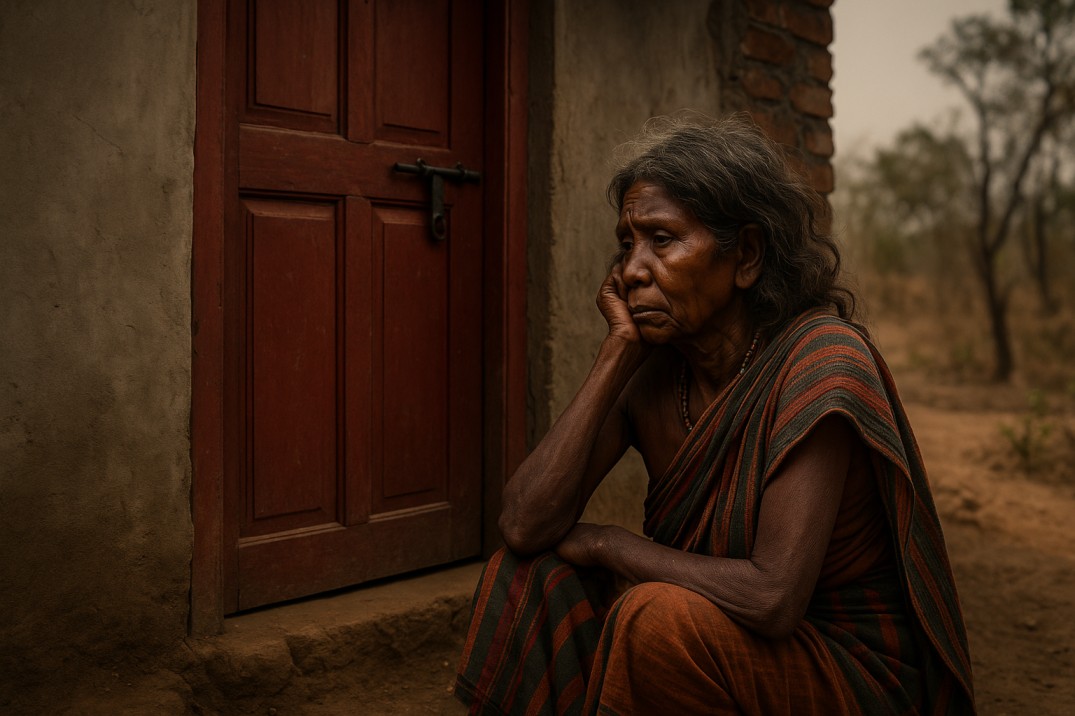
For the tribal families waiting at the threshold of development, the door to a safe home is visible—but still too heavy to push open.


-10052026-113117pm.png)