
Assessing Nutritional Status and Nutritional Anthropology — 2025 Paper I
How anthropologists assess the nutritional status of a community? Discuss the significance of intersectionality of ecology, culture, and social inequality in the study of nutritional anthropology.
Model Answer
VAID ICSIntroduction
Nutritional anthropology studies food and nutrition as a bio-cultural phenomenon. It does not treat malnutrition merely as deficiency of calories or nutrients; it relates nutrition to ecology, culture, household power, political economy and social inequality. Audrey Richards’ Land, Labour and Diet in Northern Rhodesia (1939) is a classic example of such an integrated approach.
Methods of assessment
Anthropologists combine biological, dietary and ethnographic tools.
Anthropometric assessment
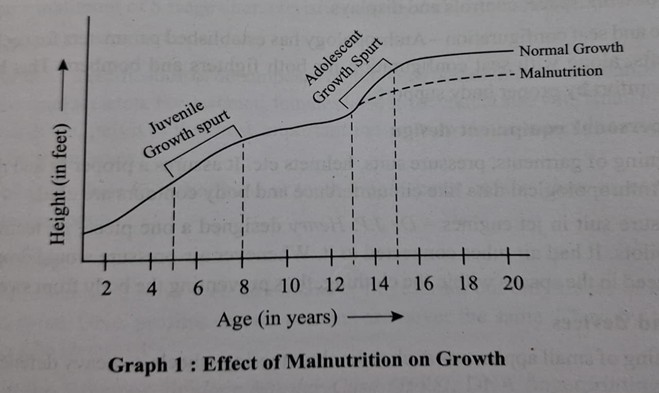
Height, weight, BMI, mid-upper-arm circumference, skinfold thickness and growth standards help identify stunting, wasting, underweight, obesity and growth faltering.
Clinical and biochemical assessment
Clinical signs such as pallor, goitre, oedema, dermatitis and dental problems are observed. Blood, urine and stool tests reveal anaemia, iodine deficiency, vitamin deficiency, protein status and parasitic infection.
Dietary assessment
Common methods include 24-hour recall, food frequency schedules, weighed food intake, household consumption surveys and market/food basket analysis.
Ethnographic assessment
Participant observation captures cooking, sharing, fasting, taboos, weaning, gendered food distribution and festival feasting. This is where anthropology goes beyond nutrition science.
Ecology-culture-inequality intersection
Ecology shapes food availability through rainfall, seasonality, soil, forest access, pastoralism, fishing or agriculture. Culture shapes food meaning: Mary Douglas showed that food classifications express purity, order and identity; Marvin Harris connected food taboos with ecological and economic conditions.
Social inequality determines who actually eats. Gender, caste, class, ethnicity, age and land ownership affect access to protein, milk, forest foods, healthcare and rest. Thus, two households in the same ecology may show different nutritional outcomes.
Examples
- Foragers may have seasonal but diverse micronutrient intake. - Agricultural labourers may produce food but remain undernourished due to low wages. - Women and girls may eat last in patriarchal households, affecting maternal and child health. - Market integration may replace local diets with cheap processed foods, producing both undernutrition and obesity.
Conclusion
Anthropological assessment of nutrition is holistic. By integrating body measurements with ecology, culture and inequality, nutritional anthropology gives a more realistic basis for public health intervention than biomedical measurement alone.
Want feedback on your answer?
Join the Anthropology workshop or get structured answer-writing guidance from VAID ICS.