
Genetic Polymorphism and Natural Selection — 2026 Paper I
Genetic polymorphism and natural selection.
Model Answer
VAID ICSApproach
|
Model Answer
Introduction: Genetic polymorphism is the occurrence of two or more inherited variants at a locus in an interbreeding population at appreciable frequencies, too high to be explained simply by recurrent mutation. Its frequency pattern reflects selection as well as drift, gene flow and demographic history.
Natural selection influences polymorphism in two broad ways.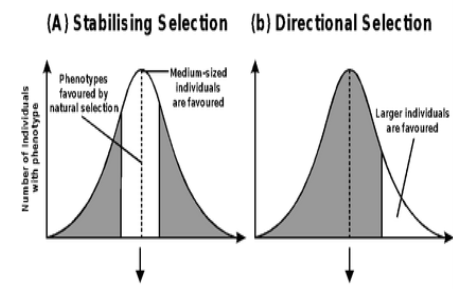
- Transient polymorphism: Under directional selection, one allele has higher fitness in a particular environment and progressively rises in frequency; variation may therefore decline over time.
- Balanced polymorphism: Selection can maintain two or more alleles when their fitness advantages differ among genotypes or environments. The classic human example is the HbA/HbS system in malaria-endemic regions, anticipated in J. B. S. Haldane’s discussion of malaria and haemoglobin variants. But it is A C Allison 1954 demonstrated that , HbS causes sickle-cell disease, while HbA lacks the malaria-related protection associated with HbS. HbS heterozygotes obtain substantial protection against severe falciparum malaria while usually avoiding severe sickling disease. This heterozygote advantage maintains both alleles in the population.
Other examples include malaria-related selection involving some G6PD variants. Gene–culture change can also create new selective environments, as dairying did for lactase persistence.
Conclusion: Natural selection does not invariably eliminate genetic variation; under particular ecological conditions it can actively maintain adaptive polymorphism in human populations.
Want feedback on your answer?
Join the Anthropology workshop or get structured answer-writing guidance from VAID ICS.