Early Humans Might Have Walked from Turkey to Mainland Europe

Evidence that early humans may have moved from Anatolia (Turkey) into the European mainland, adding to the picture of early human dispersal for UPSC Anthropology.
VAID'S ICS – Best UPSC Anthropology Coaching in Delhi Since 1985

 VAIDSICS CONTENT TEAM
Evidence that early humans may have moved from Anatolia (Turkey) into the European mainland, adding to the picture of early human dispersal for UPSC Anthropology.
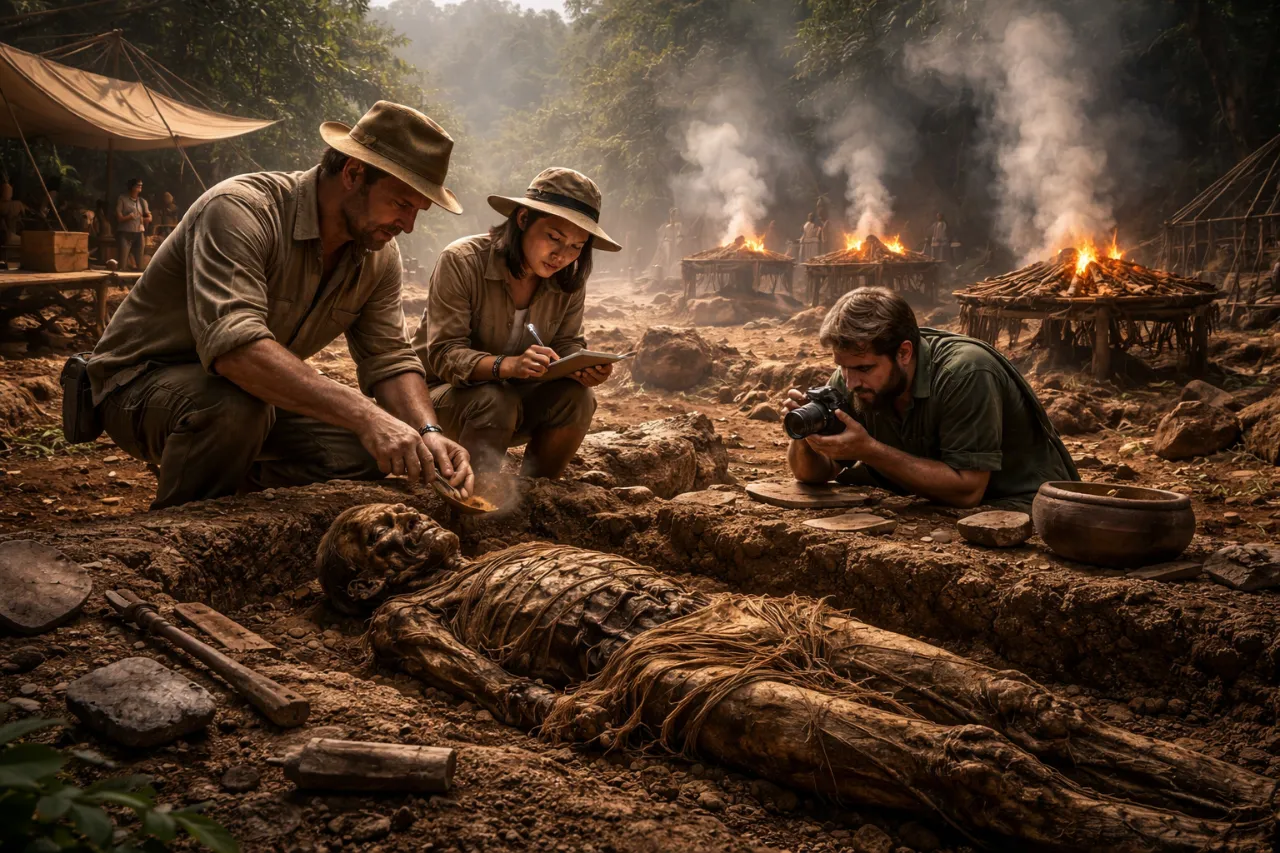
Smoke-dried burials in Southeast Asia may be the world’s oldest mummies, reshaping views on early mortuary practice – relevant to UPSC Anthropology.
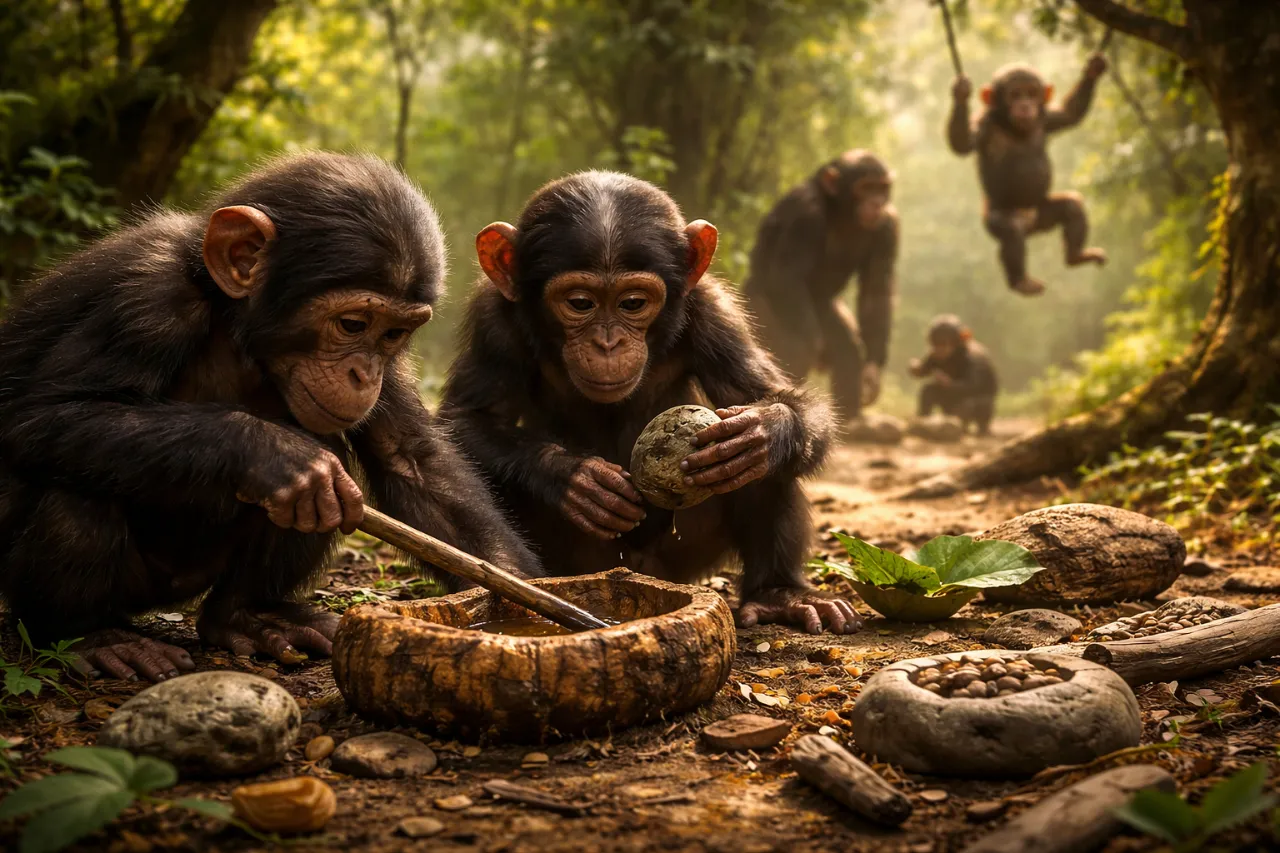
Play in young chimpanzees drives innovation and the social transmission of behaviour, offering insight into the roots of culture in primates.

Iberian cave art points to Neanderthal symbolism, while Sulawesi’s older art reflects early Homo sapiens narrative art — a UPSC Anthropology guide to the origins of symbolic behaviour.

Personal ornaments in the Upper Palaeolithic reveal symbolism, identity and cultural choice among early modern humans – a key theme for UPSC Anthropology.
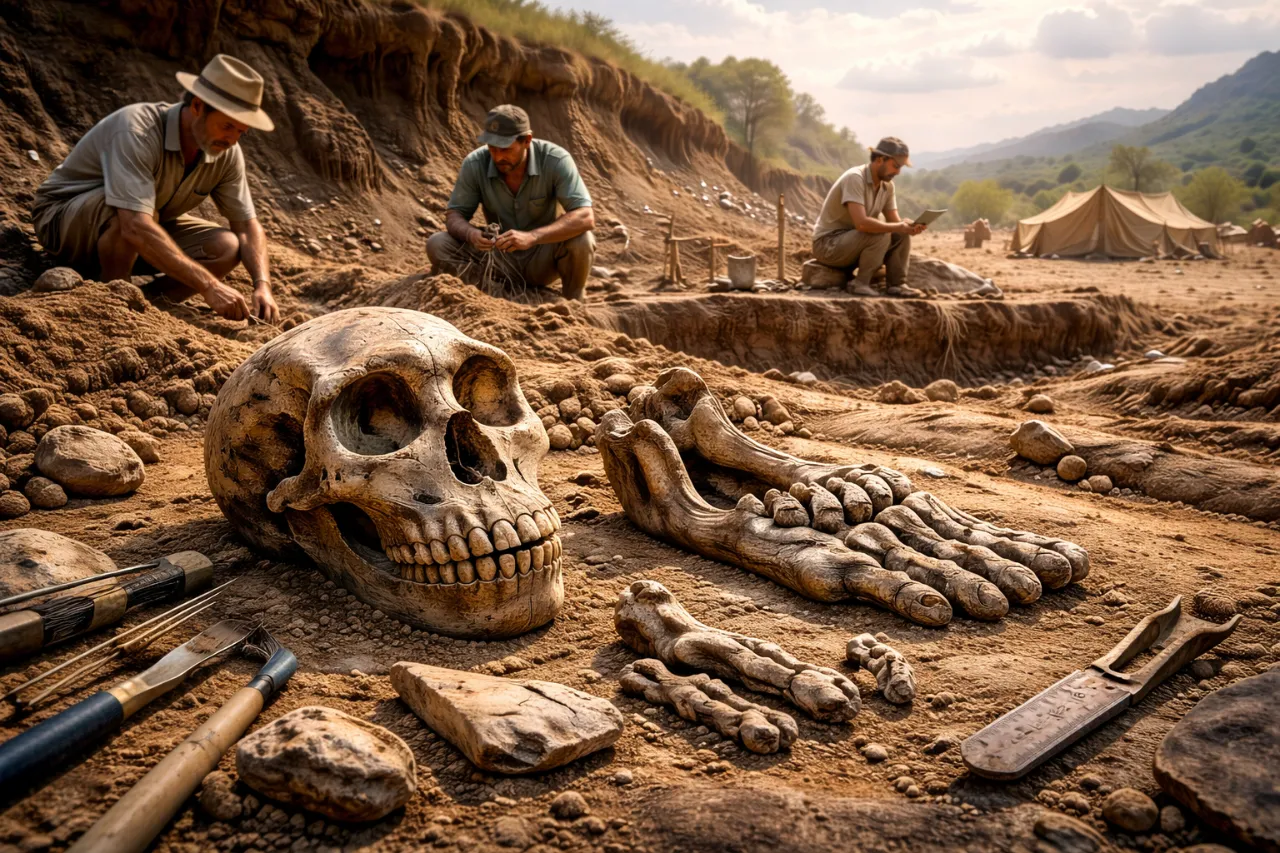
A newly described Australopithecus species from Ethiopia adds to early hominin diversity and the shape of the human family tree – for UPSC Anthropology.

Ancient tool finds in Southeast Asia are prompting a rethink of the timeline and origins of early civilisation – relevant to UPSC Anthropology.
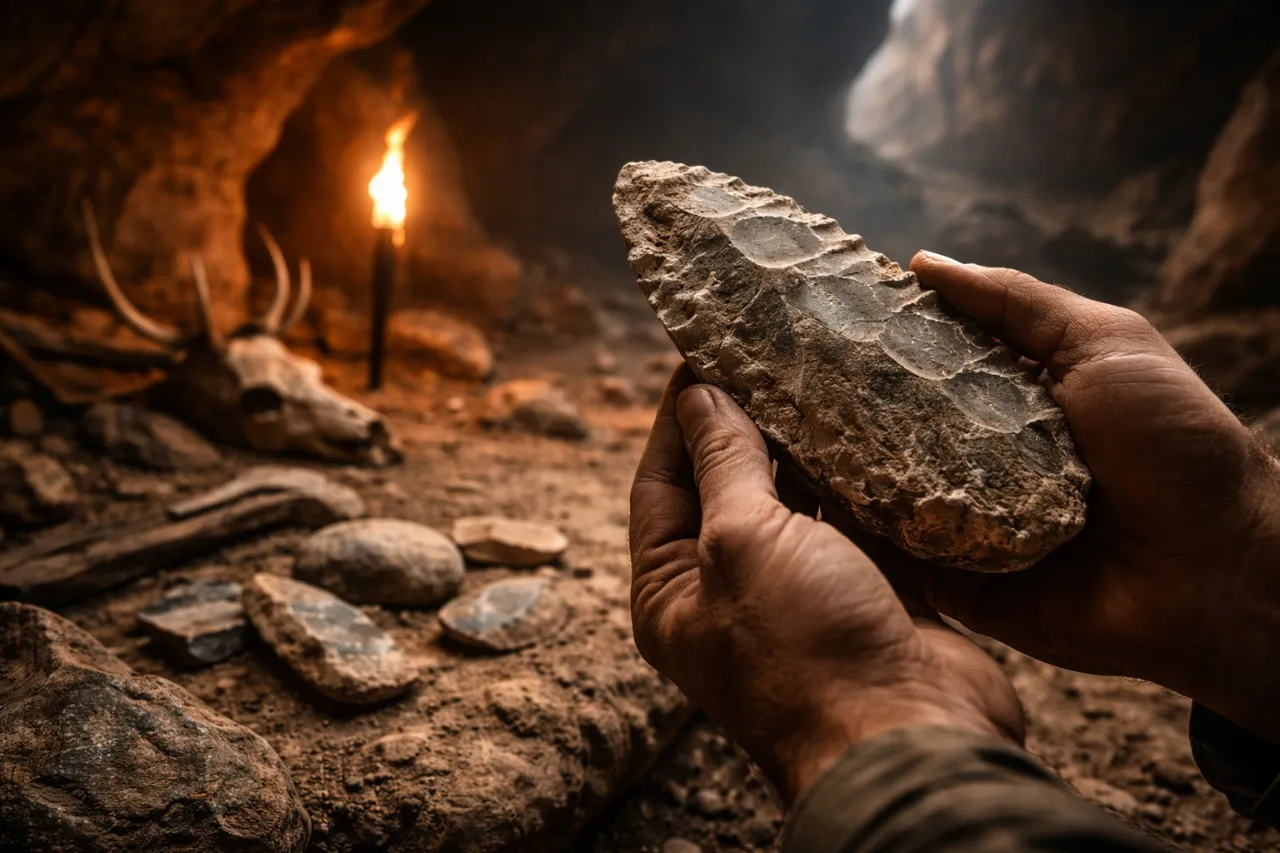
Stone tools from Jaljulia in the Levant, around 400,000 years old, mark a major turning point in Lower Palaeolithic human prehistory – for UPSC Anthropology.

Why Palaeolithic humans brought children deep into dark cave networks – a question touching ritual, social learning and symbolic life, for UPSC Anthropology.
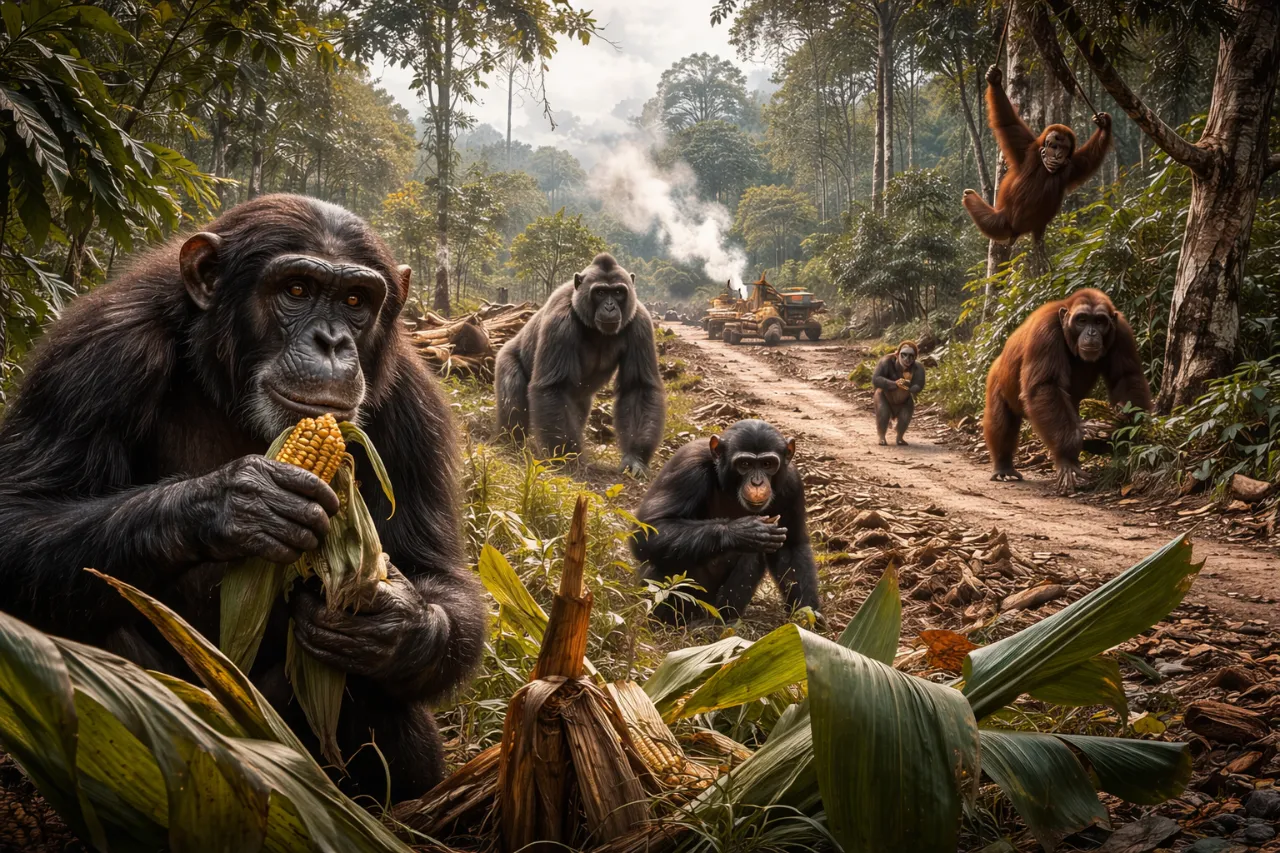
A 2025 systematic review shows great apes adapting to human disturbance through crop foraging, nesting shifts and road use — a case study in ape behavioural flexibility and conservation anthropology for UPSC.