Why Primates ‘People-Watch’: Social Attention and Its Evolutionary Roots
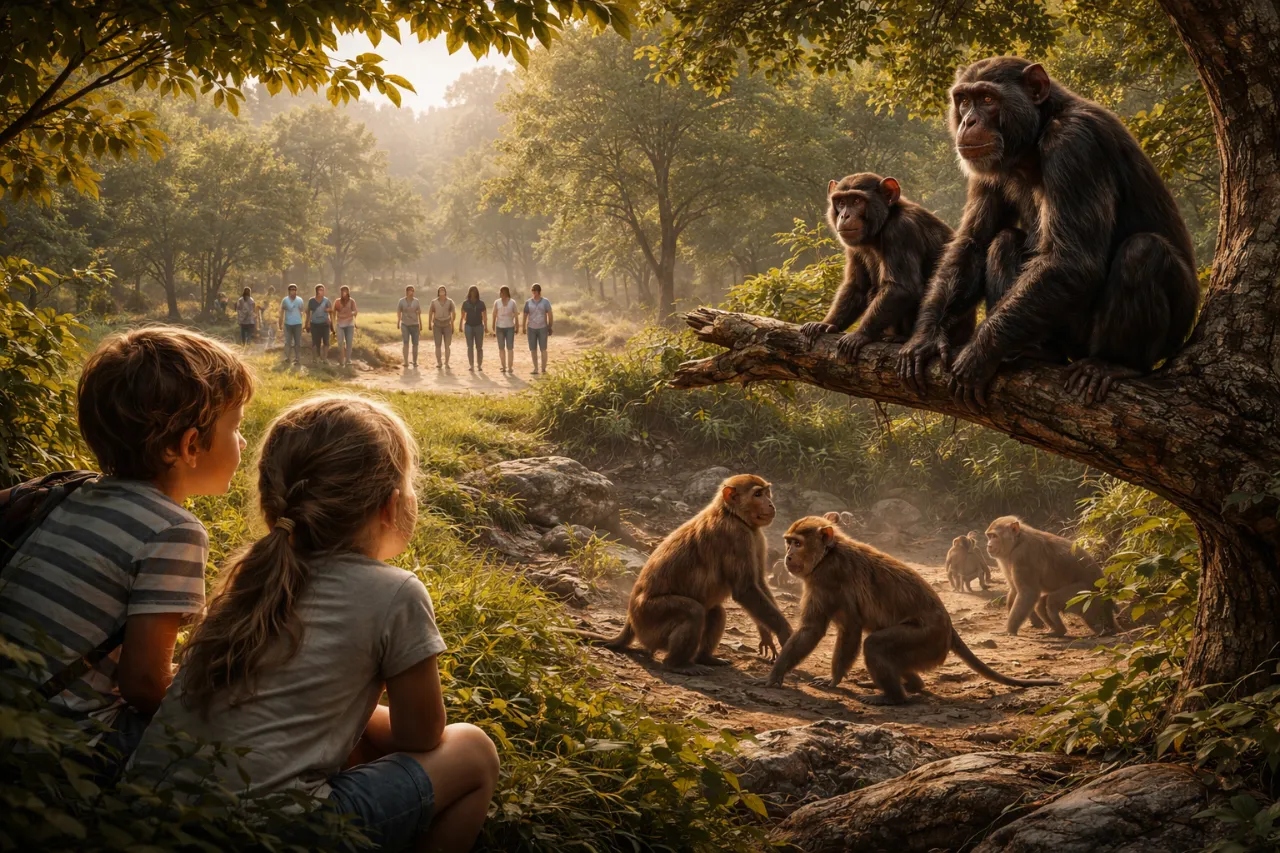
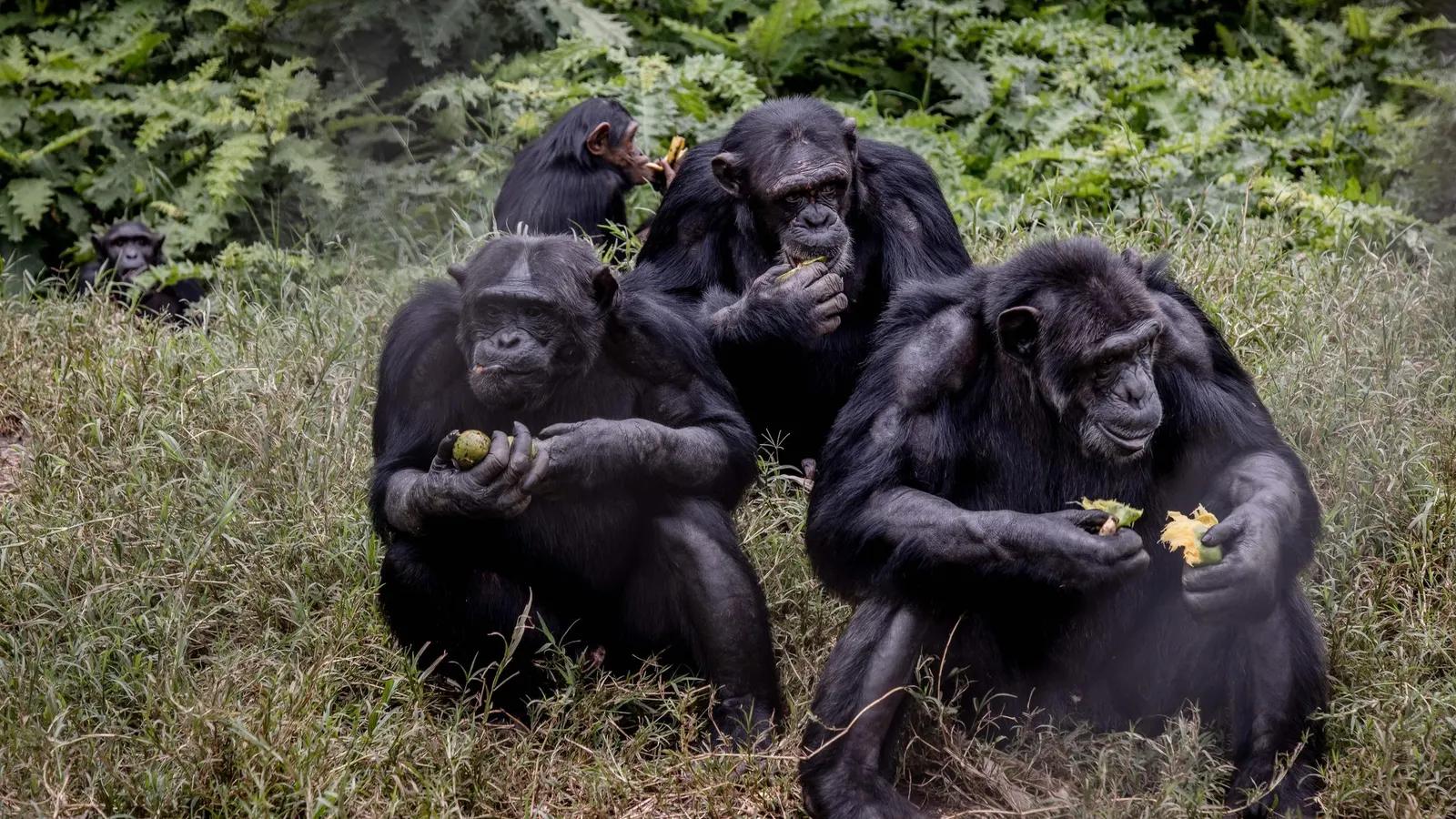
Humans, chimpanzees and macaques share a drive to watch social interaction — primate social attention, dominance hierarchy and social learning for UPSC Anthropology Paper 1.
VAID'S ICS – Best UPSC Anthropology Coaching in Delhi Since 1985
Humans, chimpanzees and macaques share a drive to watch social interaction — primate social attention, dominance hierarchy and social learning for UPSC Anthropology Paper 1.
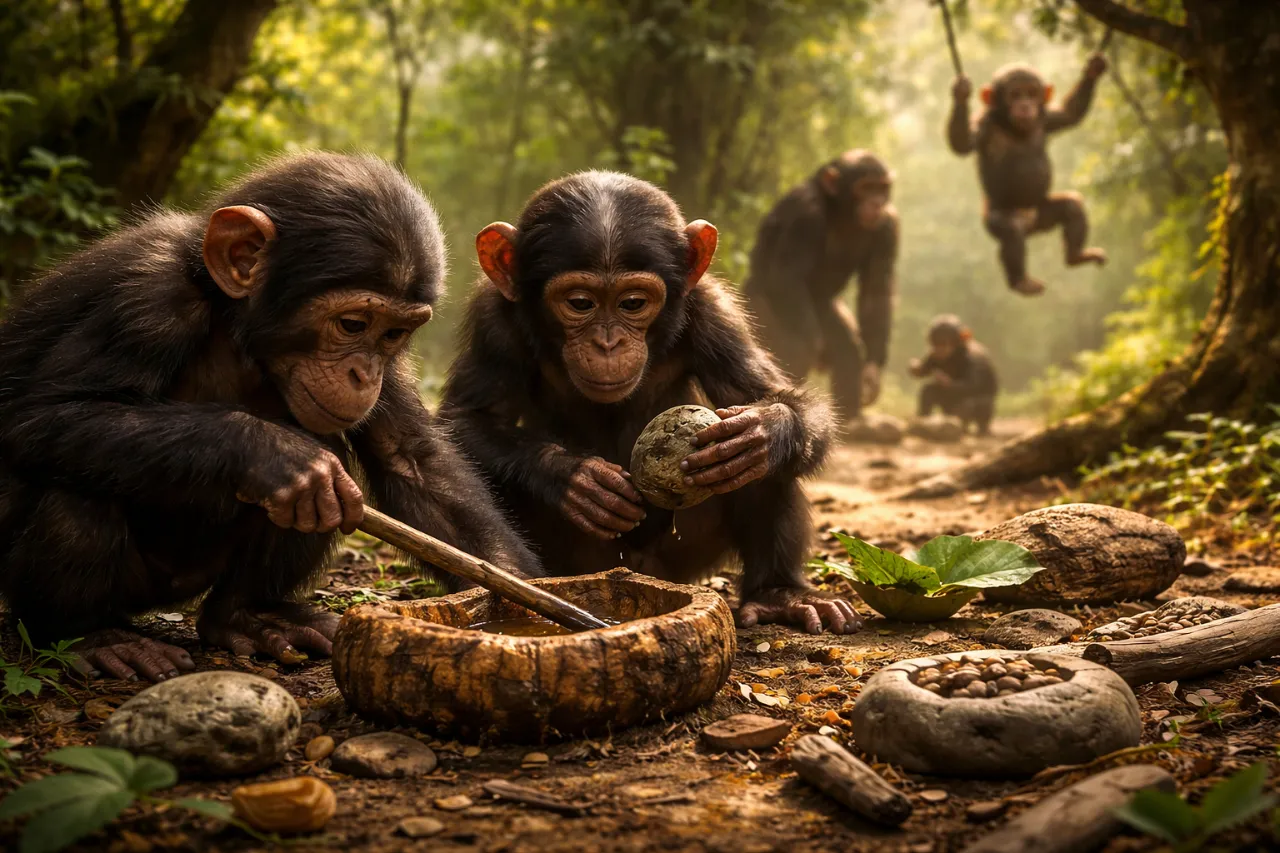
Play in young chimpanzees drives innovation and the social transmission of behaviour, offering insight into the roots of culture in primates.
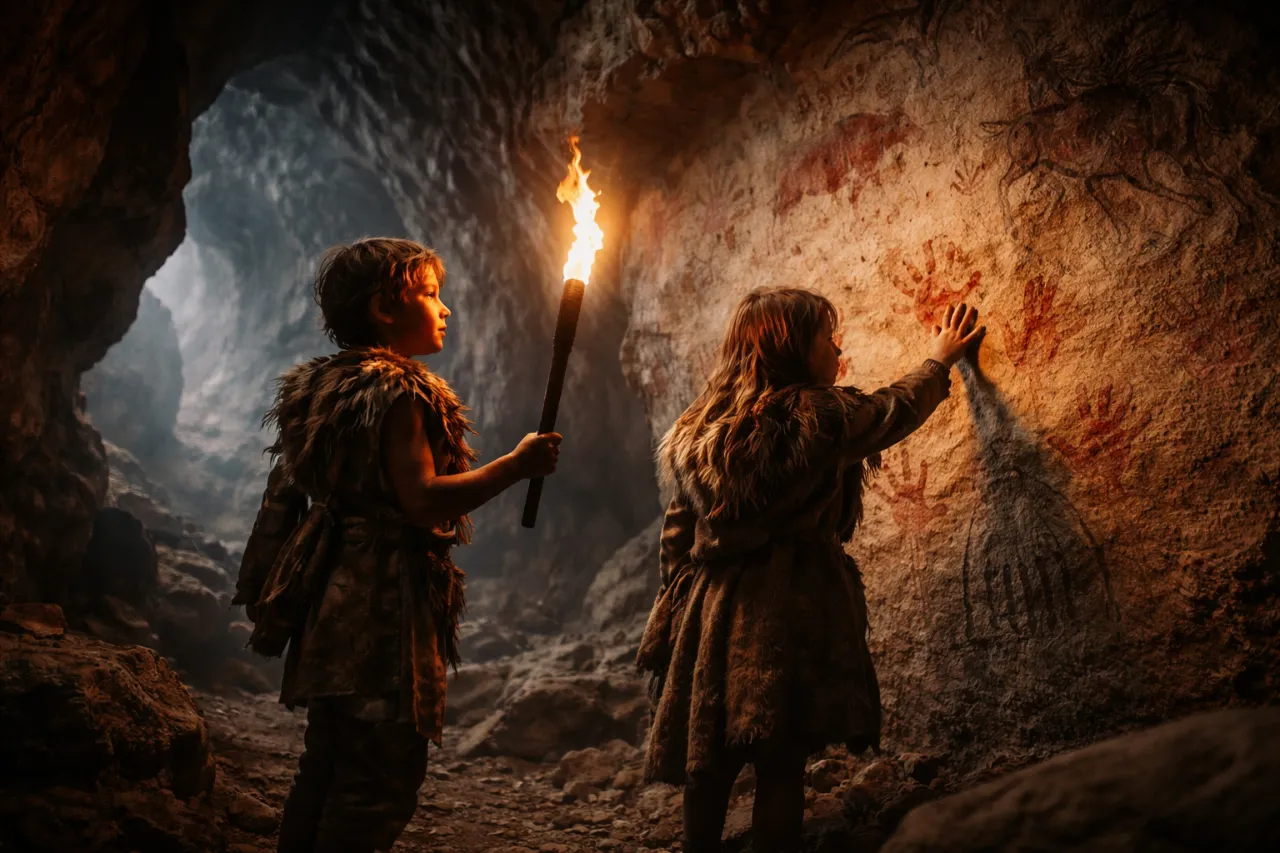
Why Palaeolithic humans brought children deep into dark cave networks – a question touching ritual, social learning and symbolic life, for UPSC Anthropology.
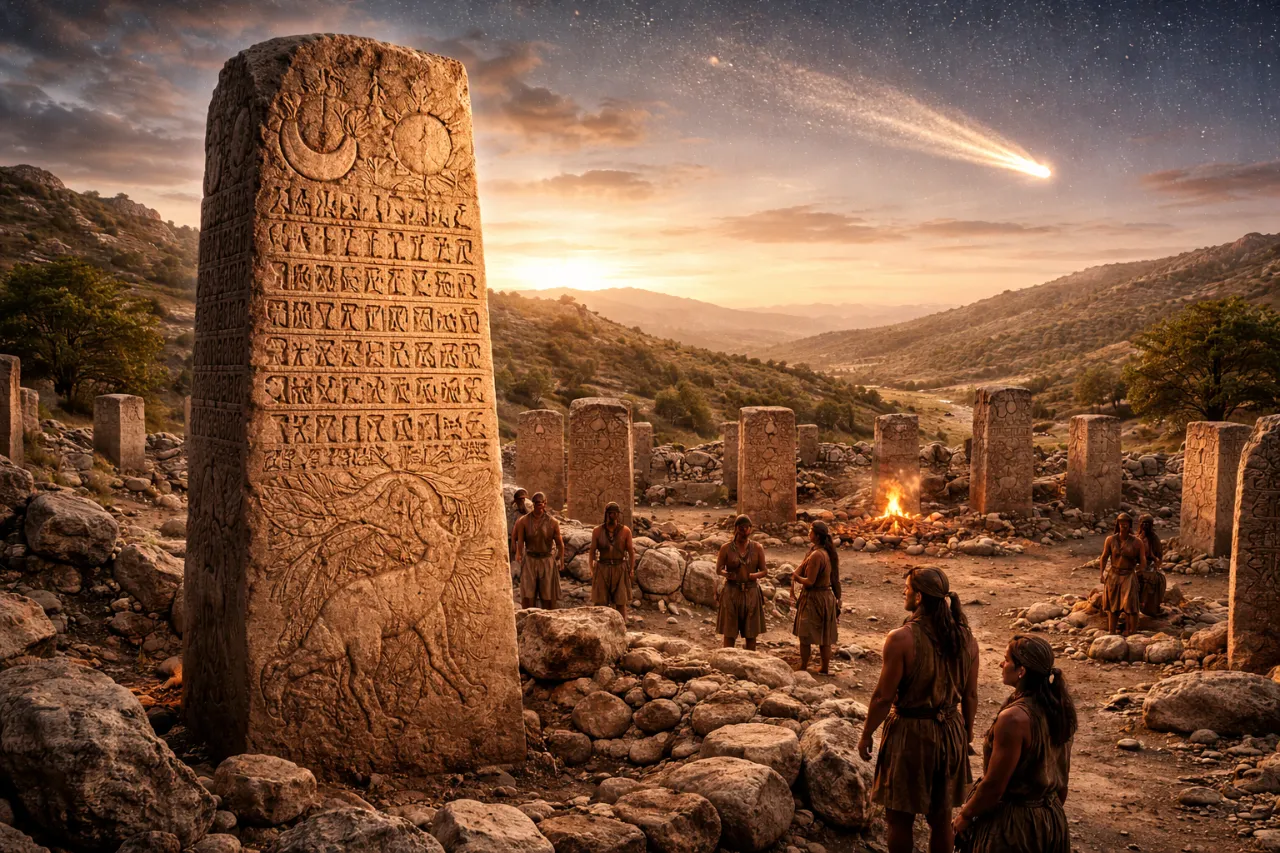
Carvings at a roughly 13,000-year-old site are interpreted as the world’s oldest calendar, informing early human timekeeping and cognition for UPSC Anthropology.
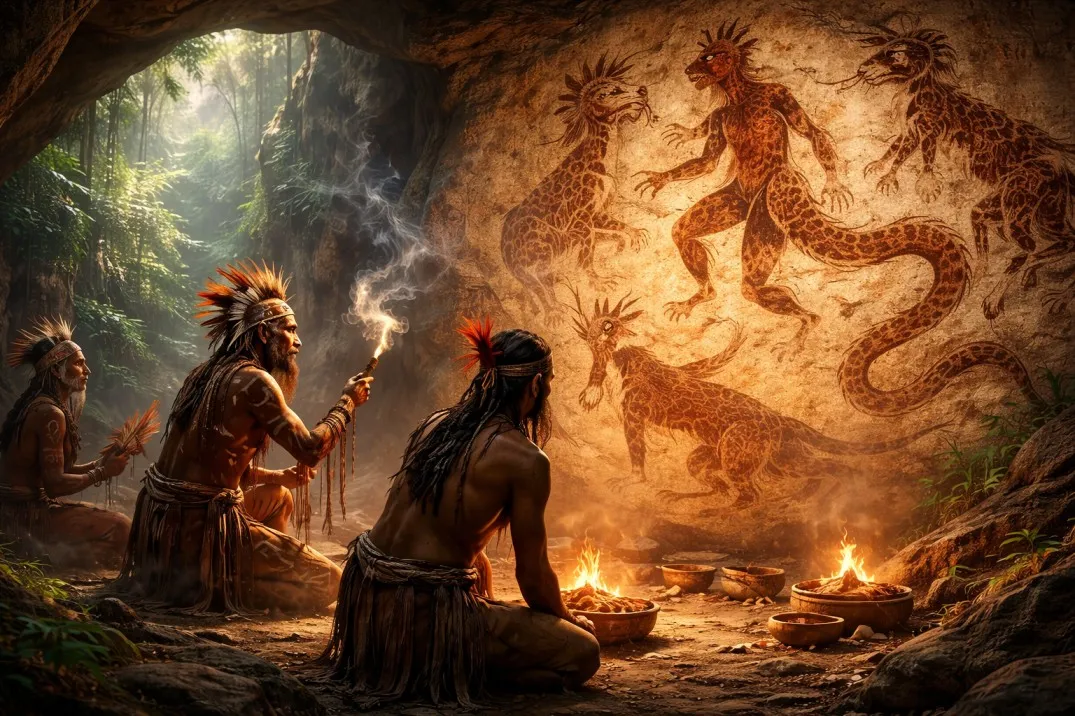
Ancient rock art at Serrania de la Lindosa, Colombia, depicts shamans spiritually transforming into animals – symbolism and belief for UPSC Anthropology.
A Science Advances study at Neumark-Nord shows Neanderthals ran a bone-grease ‘fat factory’ ~125,000 years ago — evidence of planning and cognition for UPSC Anthropology Paper 1.
Great apes appear to grasp the intent behind gestures — the Recruitment View of ape gesture communication and what it means for the origins of language, for UPSC Anthropology.
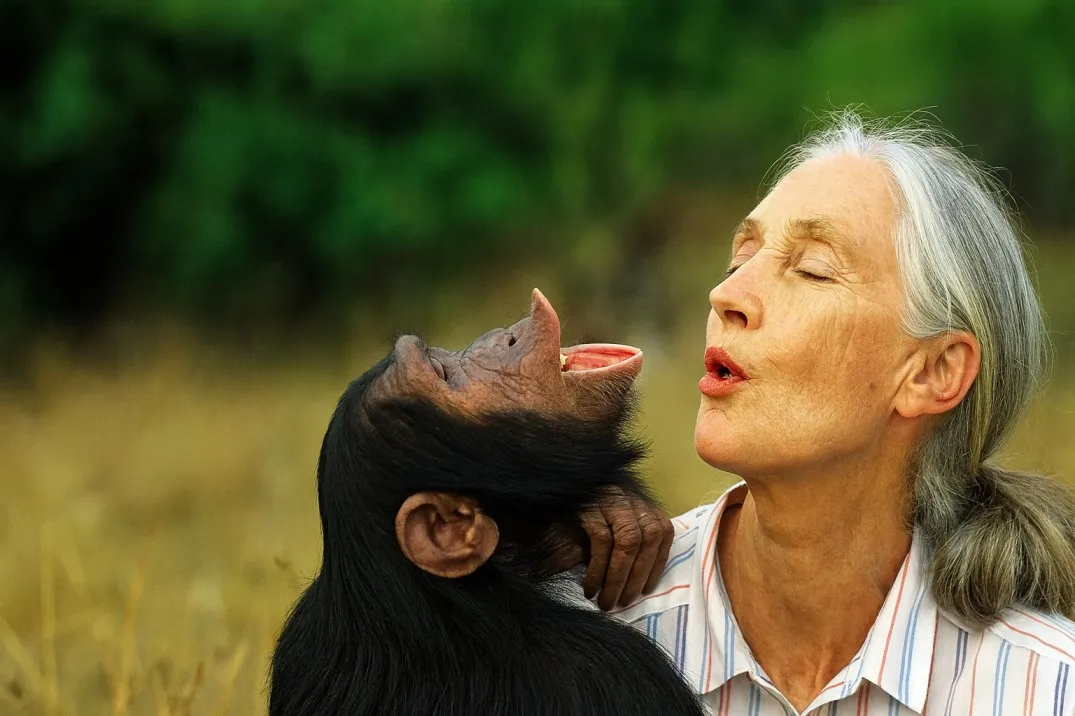
Jane Goodall transformed primatology with her long-term study of wild chimpanzees, reshaping how we understand tool use, social behaviour and the human-animal bond.
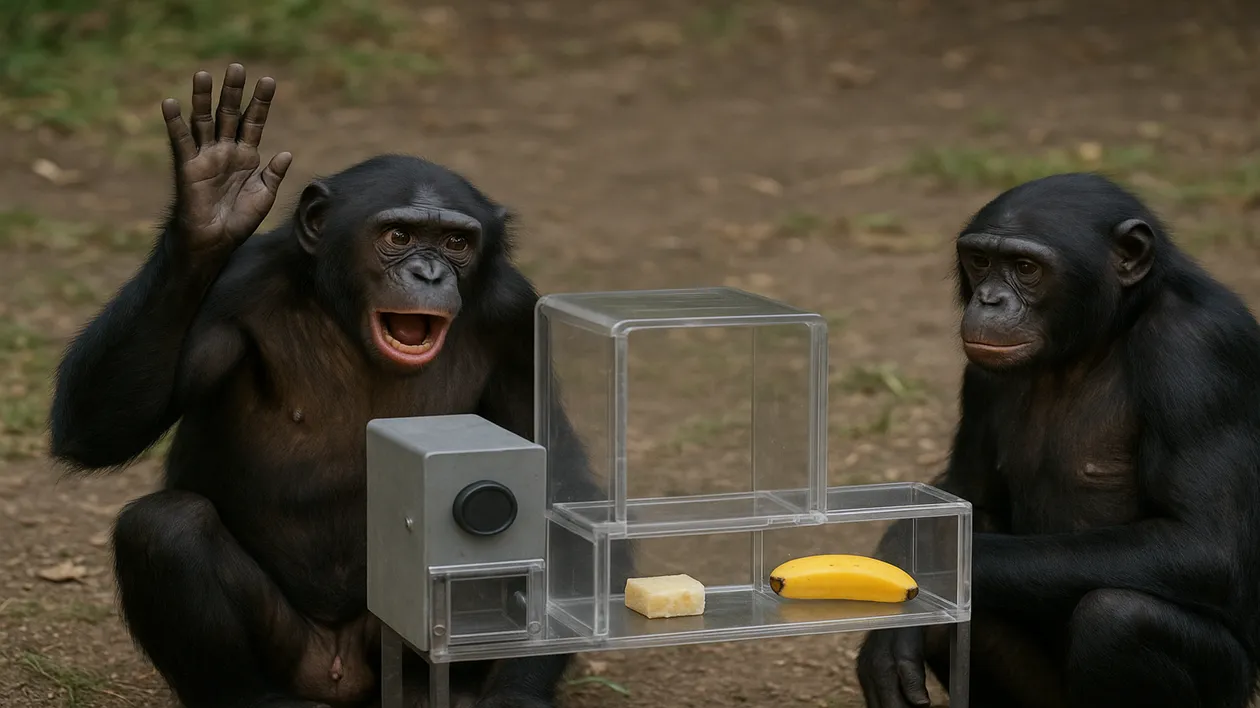
Bonobos reject unequal rewards, even at a cost — what inequity aversion in primates reveals about the evolutionary roots of fairness and cooperation, for UPSC Anthropology.