Smoke-Dried Bodies Could Be World’s Oldest Mummies
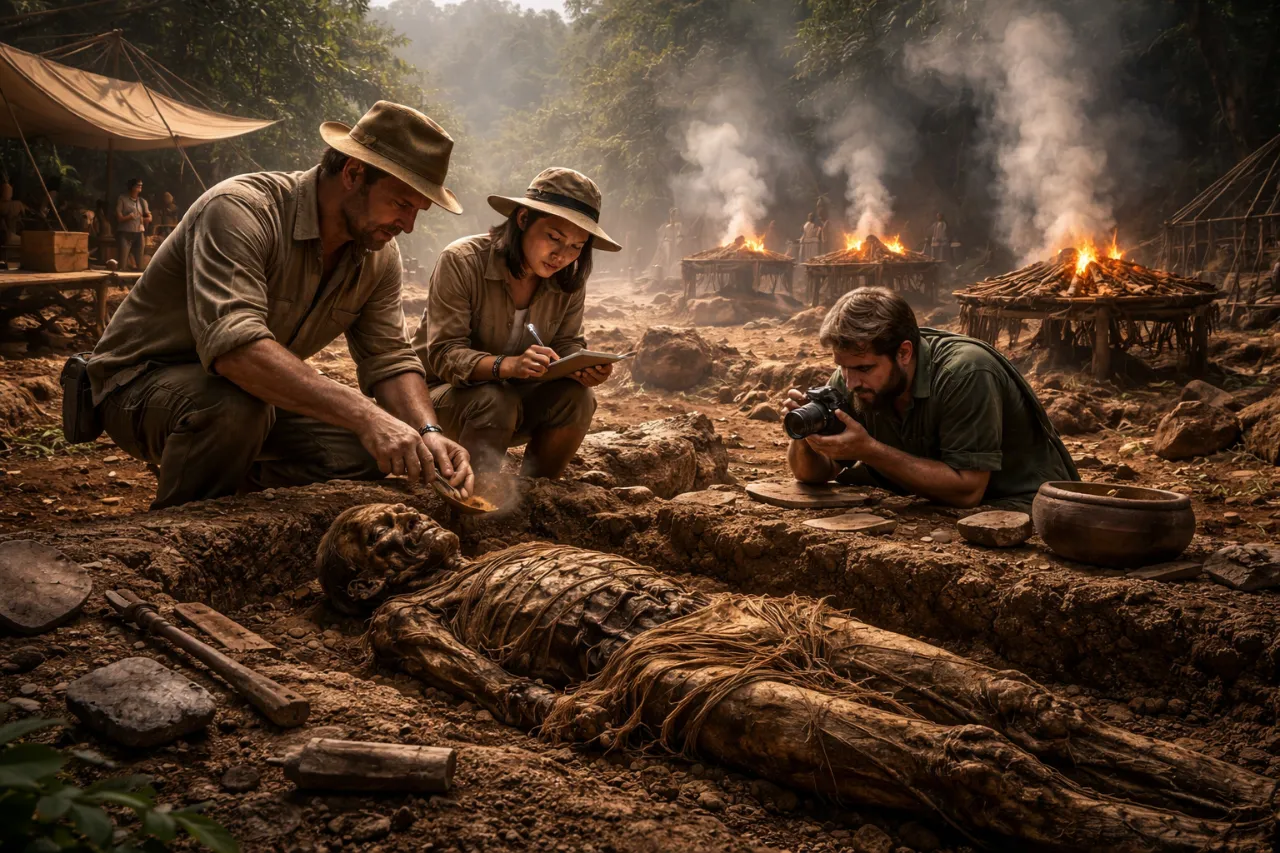
Smoke-dried burials in Southeast Asia may be the world’s oldest mummies, reshaping views on early mortuary practice – relevant to UPSC Anthropology.
VAID'S ICS – Best UPSC Anthropology Coaching in Delhi Since 1985

Smoke-dried burials in Southeast Asia may be the world’s oldest mummies, reshaping views on early mortuary practice – relevant to UPSC Anthropology.
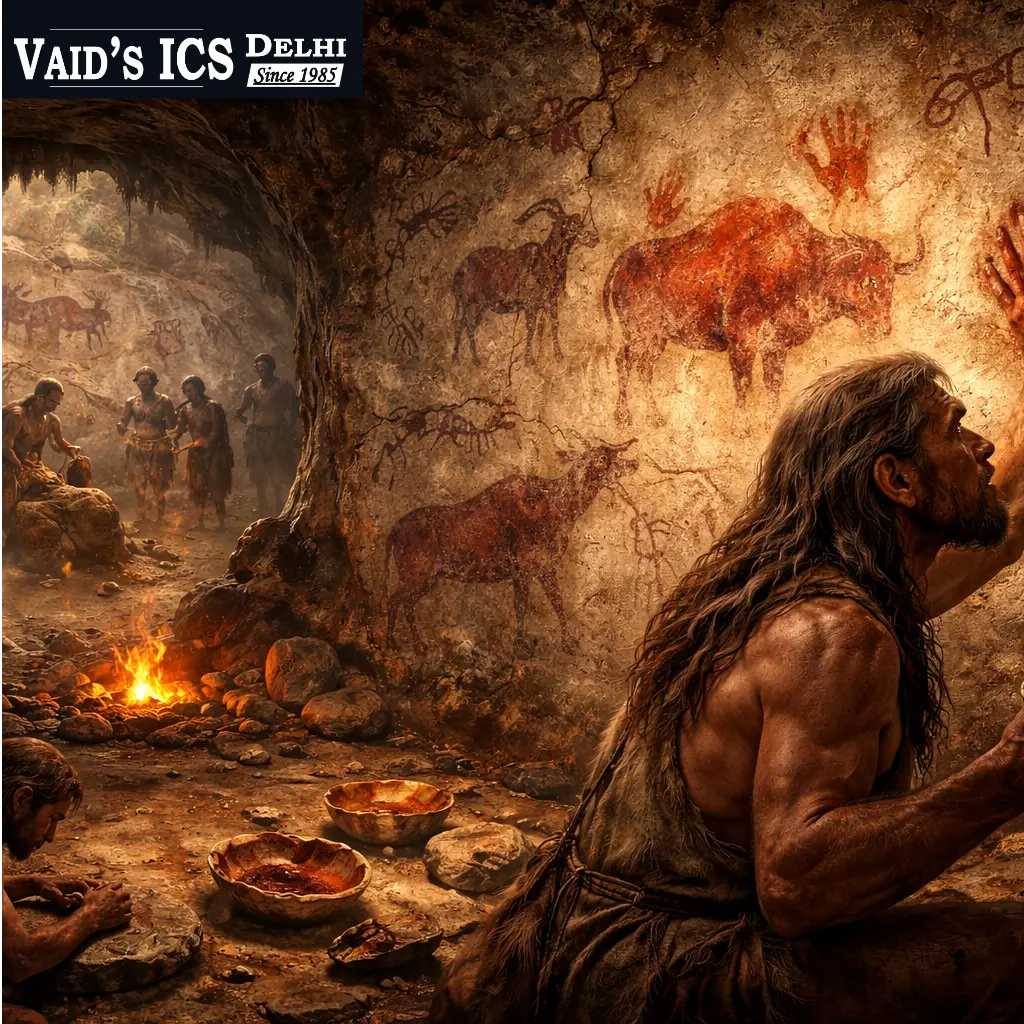
Iberian cave art points to Neanderthal symbolism, while Sulawesi’s older art reflects early Homo sapiens narrative art — a UPSC Anthropology guide to the origins of symbolic behaviour.
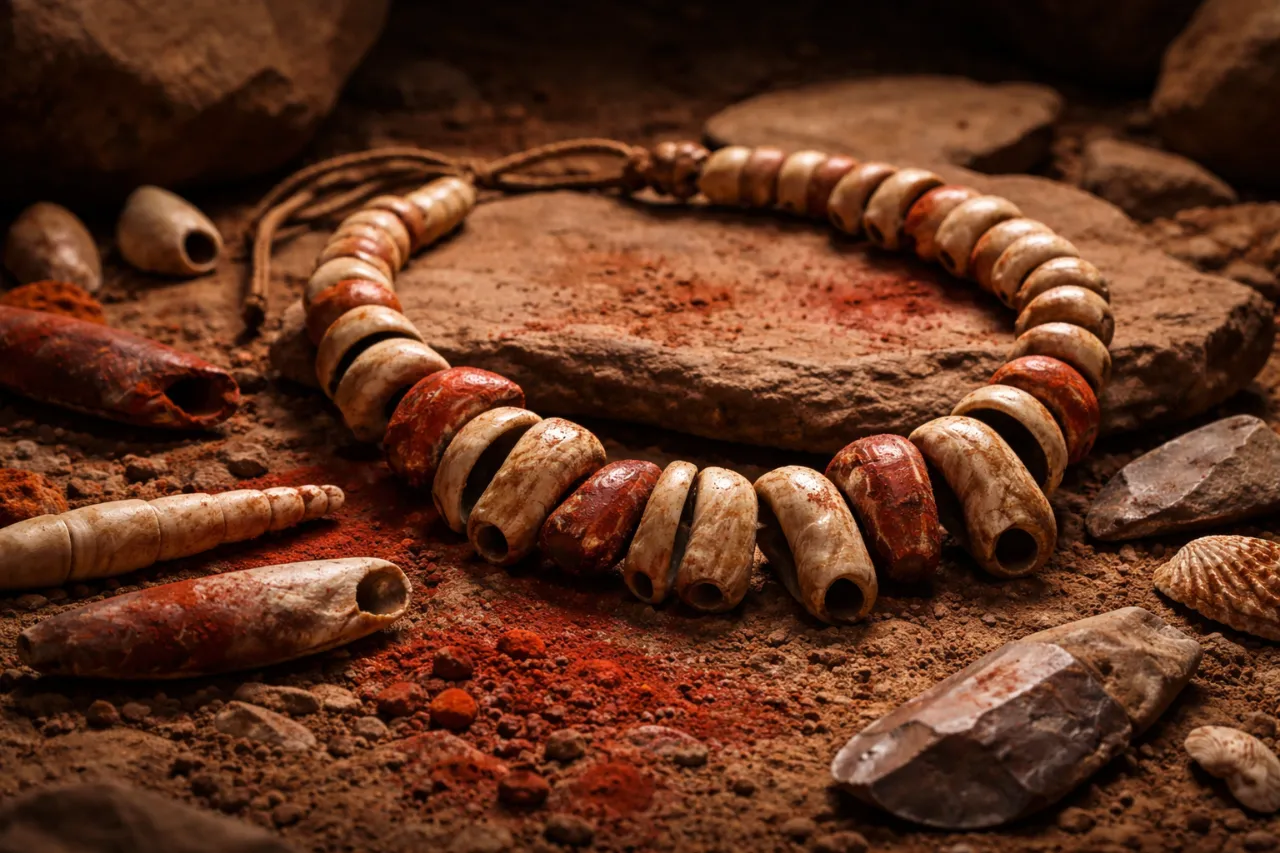
Personal ornaments in the Upper Palaeolithic reveal symbolism, identity and cultural choice among early modern humans – a key theme for UPSC Anthropology.
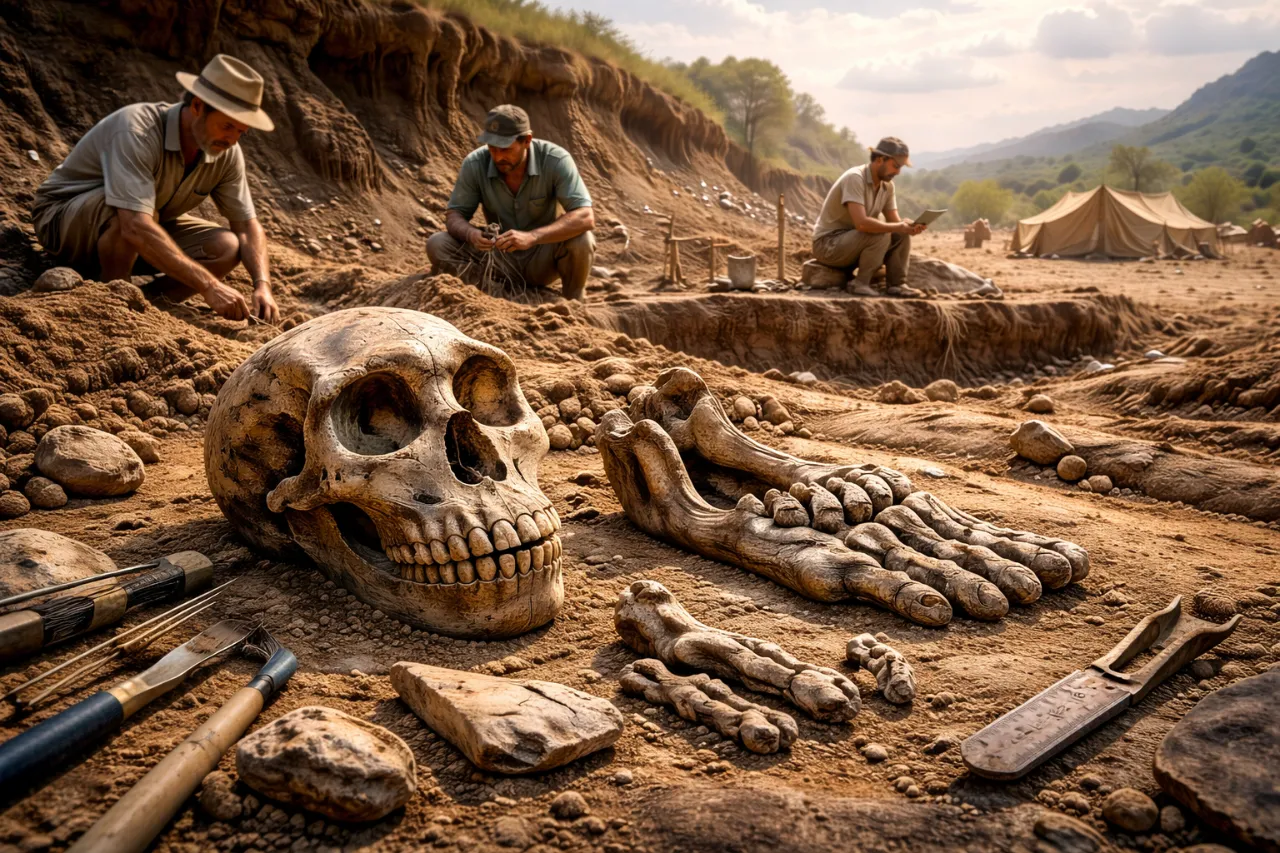
A newly described Australopithecus species from Ethiopia adds to early hominin diversity and the shape of the human family tree – for UPSC Anthropology.

Ancient tool finds in Southeast Asia are prompting a rethink of the timeline and origins of early civilisation – relevant to UPSC Anthropology.
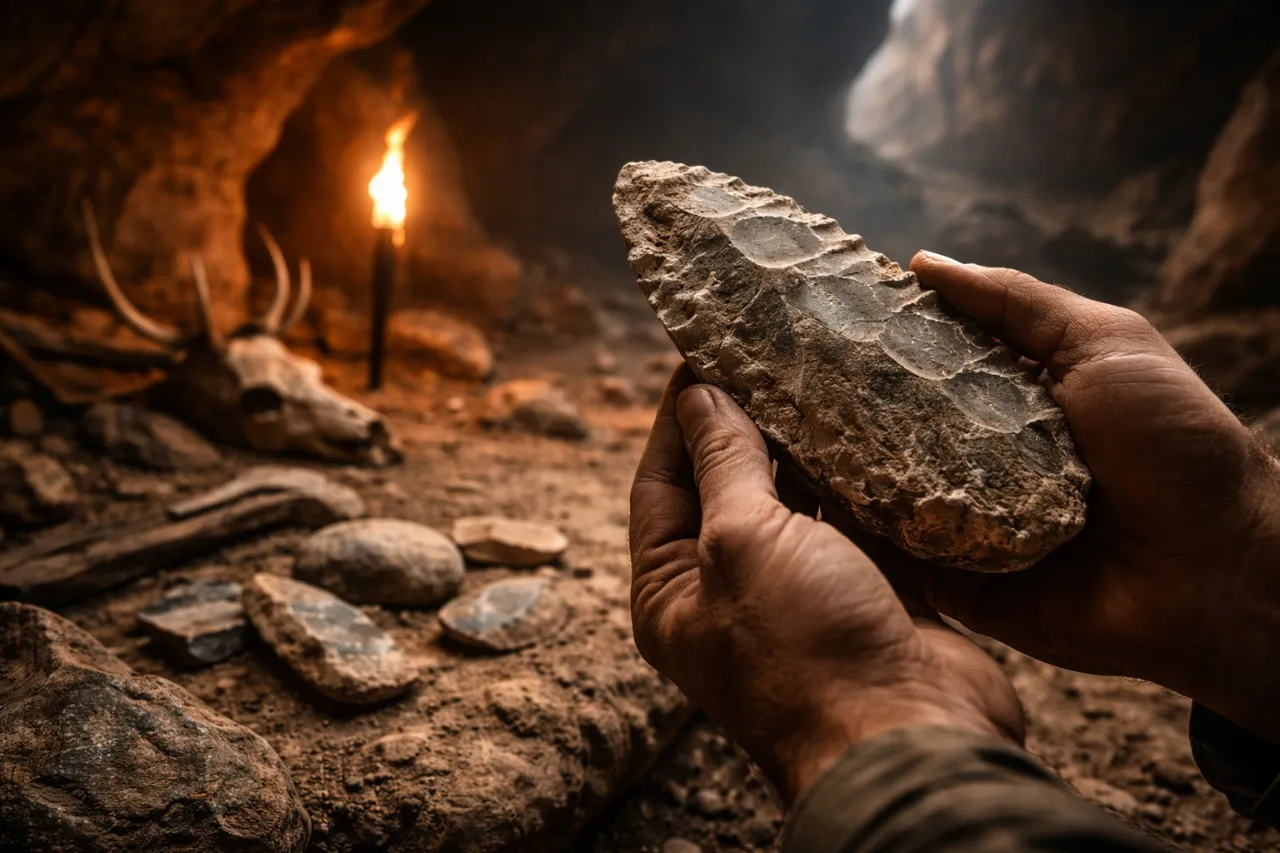
Stone tools from Jaljulia in the Levant, around 400,000 years old, mark a major turning point in Lower Palaeolithic human prehistory – for UPSC Anthropology.
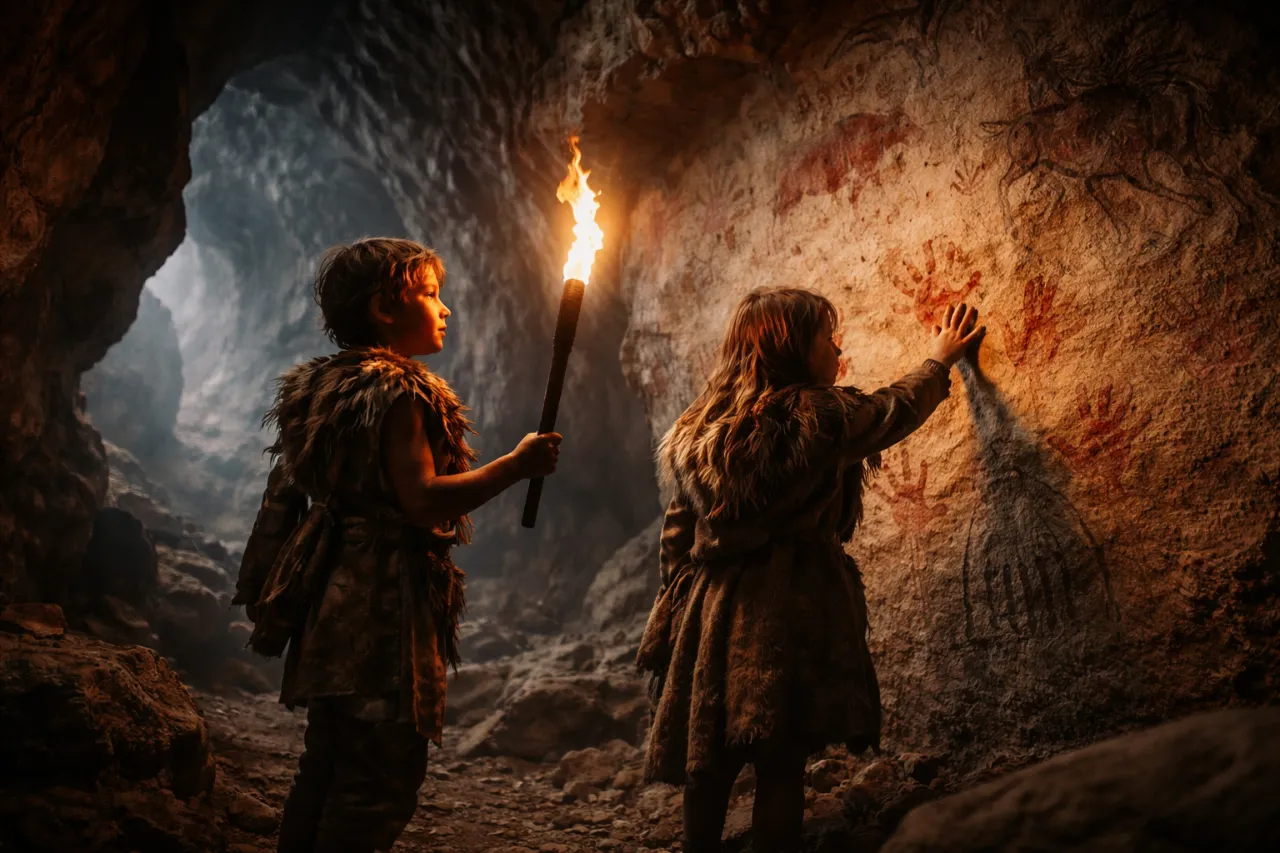
Why Palaeolithic humans brought children deep into dark cave networks – a question touching ritual, social learning and symbolic life, for UPSC Anthropology.
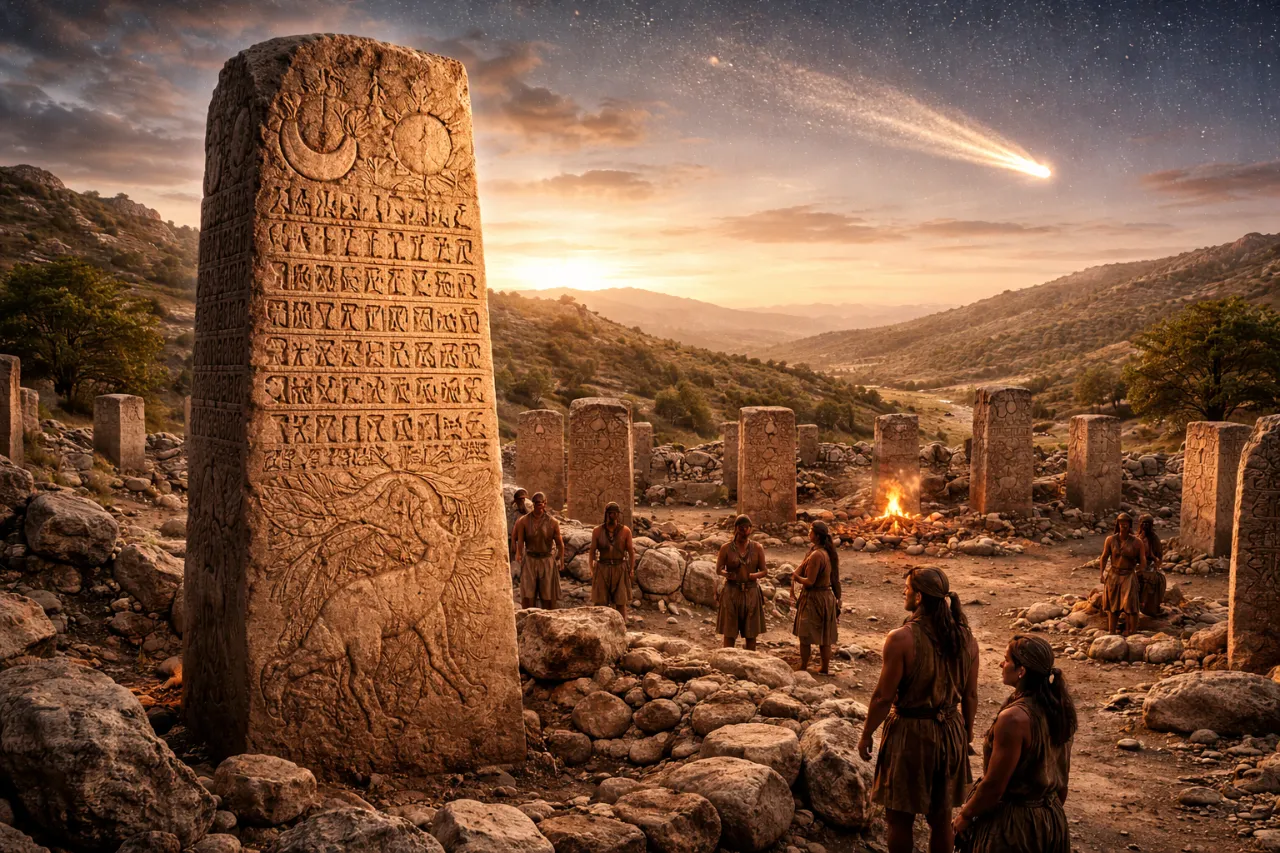
Carvings at a roughly 13,000-year-old site are interpreted as the world’s oldest calendar, informing early human timekeeping and cognition for UPSC Anthropology.
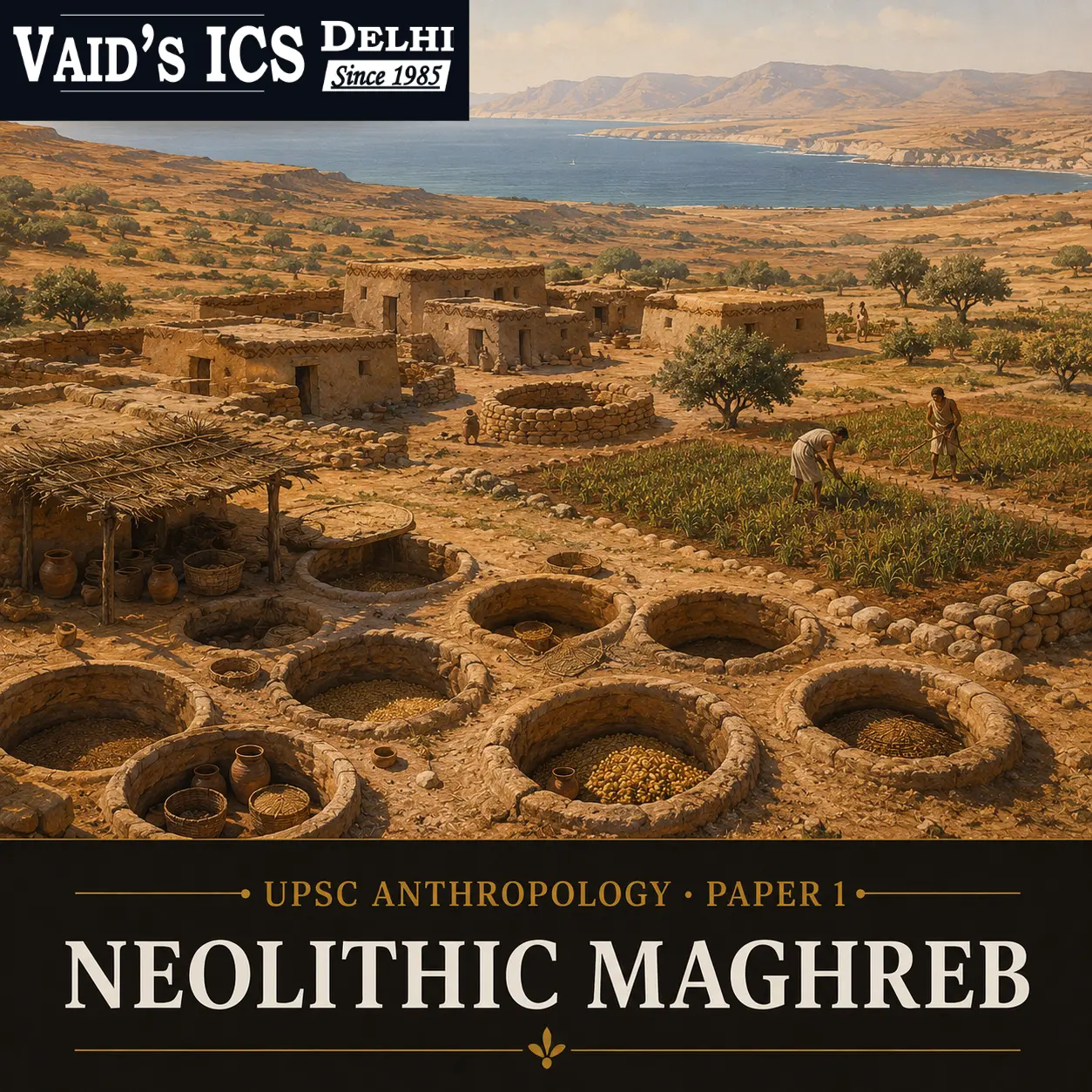
A newly discovered Neolithic farming society at Oued Beht, Morocco reshapes Maghreb prehistory and Mediterranean links — a key archaeology case study for UPSC Anthropology Paper 1.
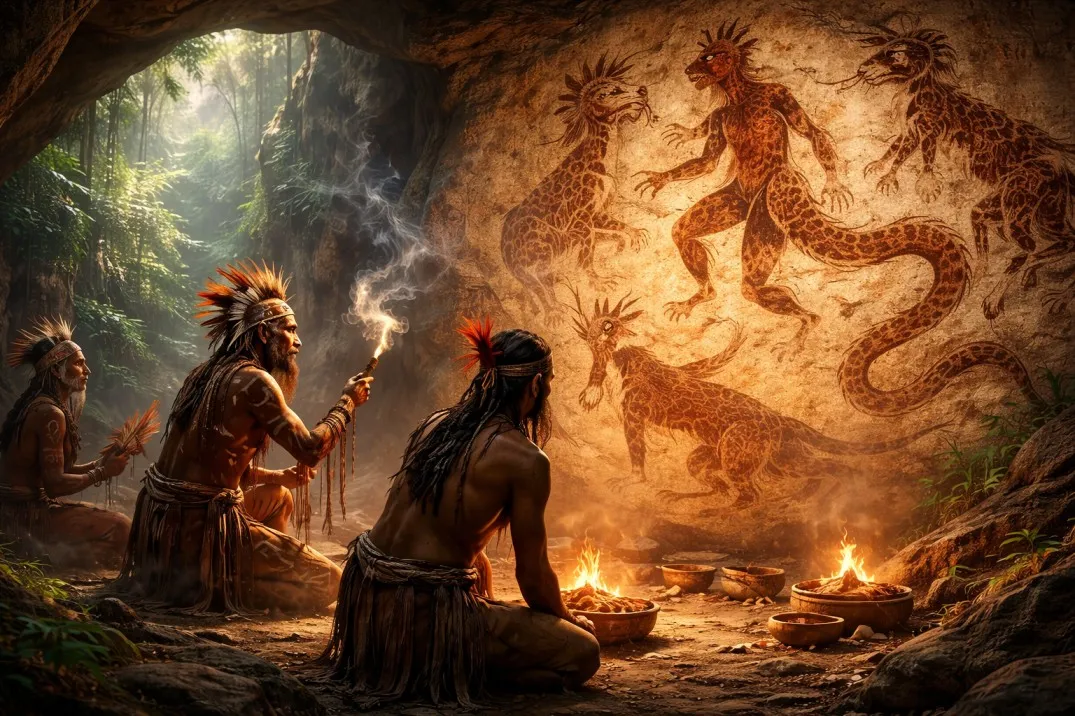
Ancient rock art at Serrania de la Lindosa, Colombia, depicts shamans spiritually transforming into animals – symbolism and belief for UPSC Anthropology.