Harappans’ contribution to ancient Indian knowledge — diluted or exaggerated
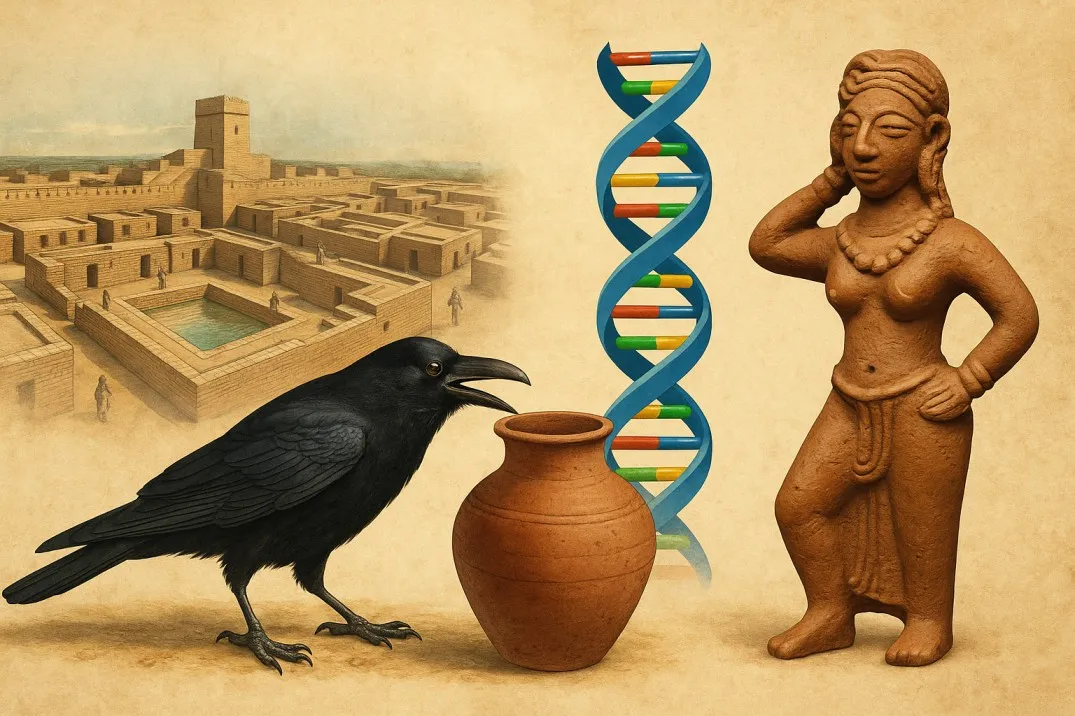
A look at debates over whether the Harappan civilisation’s contribution to ancient Indian knowledge has been diluted or exaggerated – for UPSC Anthropology.
VAID'S ICS – Best UPSC Anthropology Coaching in Delhi Since 1985

A look at debates over whether the Harappan civilisation’s contribution to ancient Indian knowledge has been diluted or exaggerated – for UPSC Anthropology.
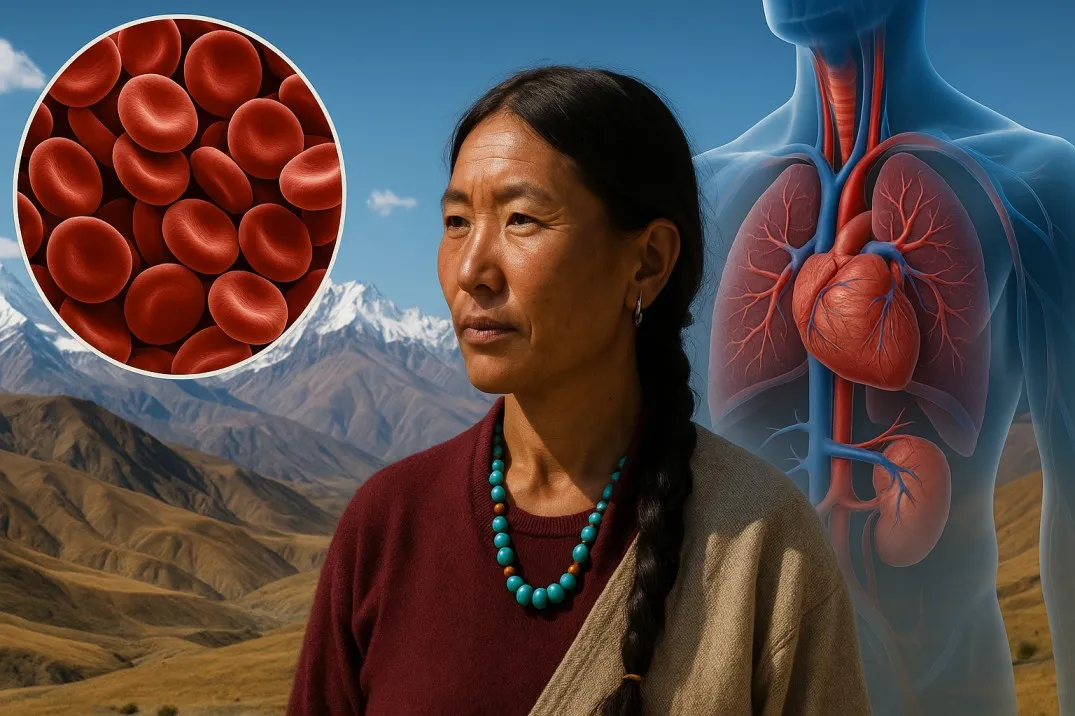
Populations on the Tibetan Plateau show ongoing genetic adaptation to high-altitude, low-oxygen conditions, a living example of contemporary human evolution.

Parents’ genes can shape a child’s development indirectly through the environment they create – genetic nurture, a genetics theme for UPSC Anthropology.
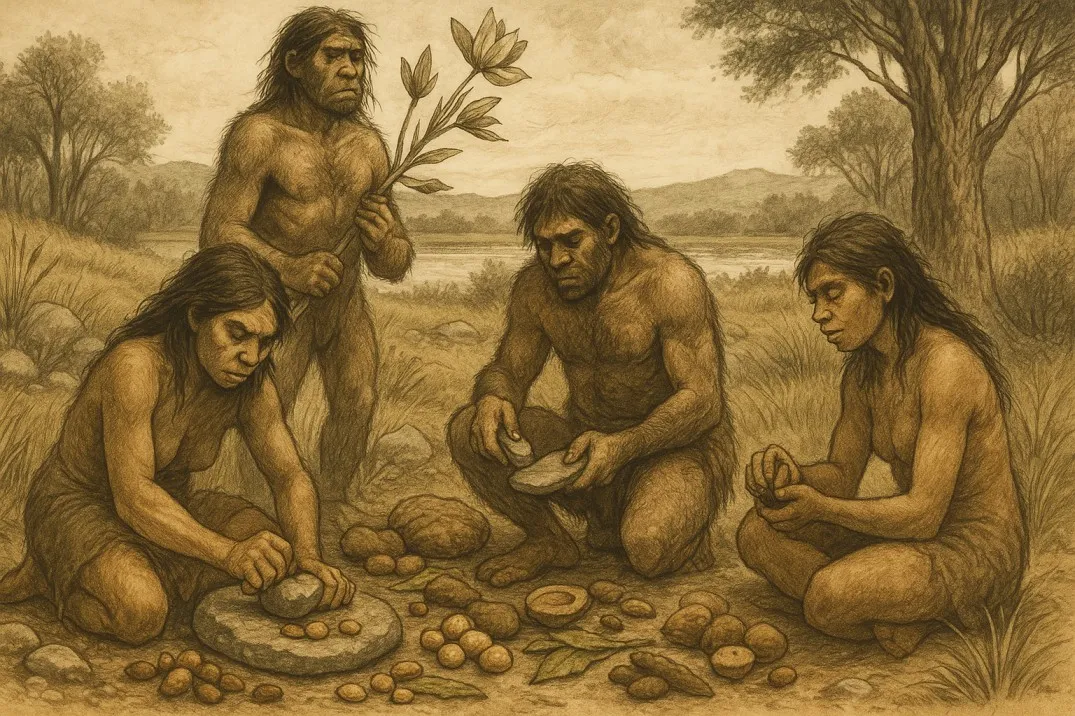
Evidence from an early human site indicates a substantial plant-based diet around 780,000 years ago – dietary anthropology relevant to UPSC Anthropology.
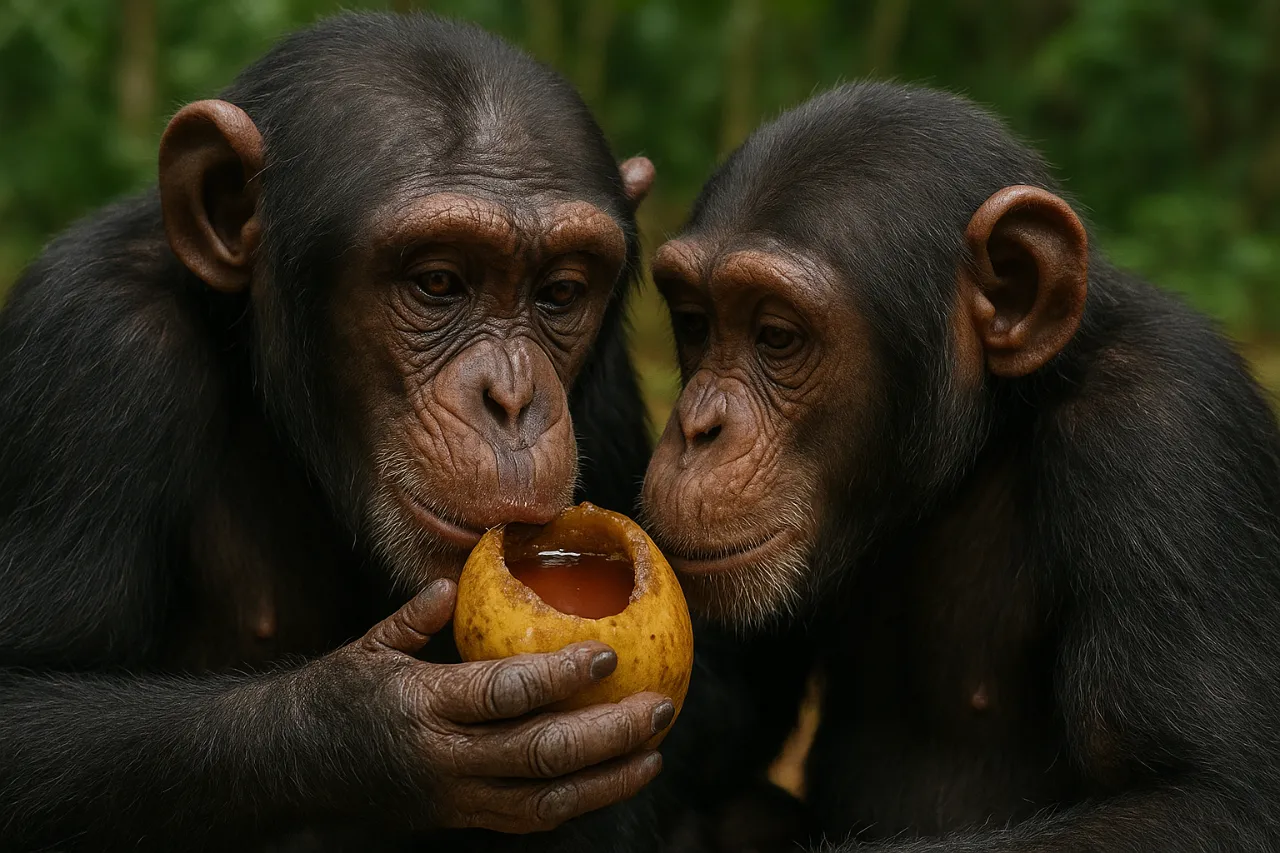
Wild chimpanzees share low-ethanol fermented fruit in social settings — a case study in chimpanzee social bonding, commensality and the drunken monkey hypothesis for UPSC Anthropology.
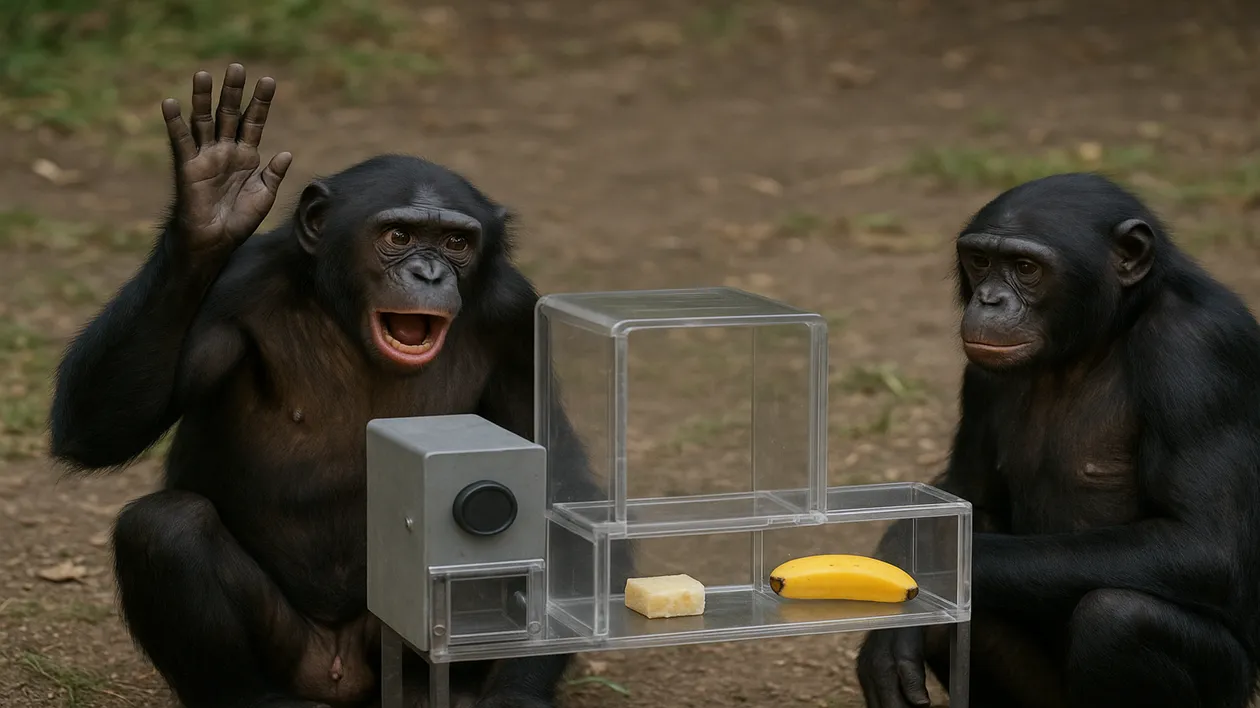
Bonobos reject unequal rewards, even at a cost — what inequity aversion in primates reveals about the evolutionary roots of fairness and cooperation, for UPSC Anthropology.
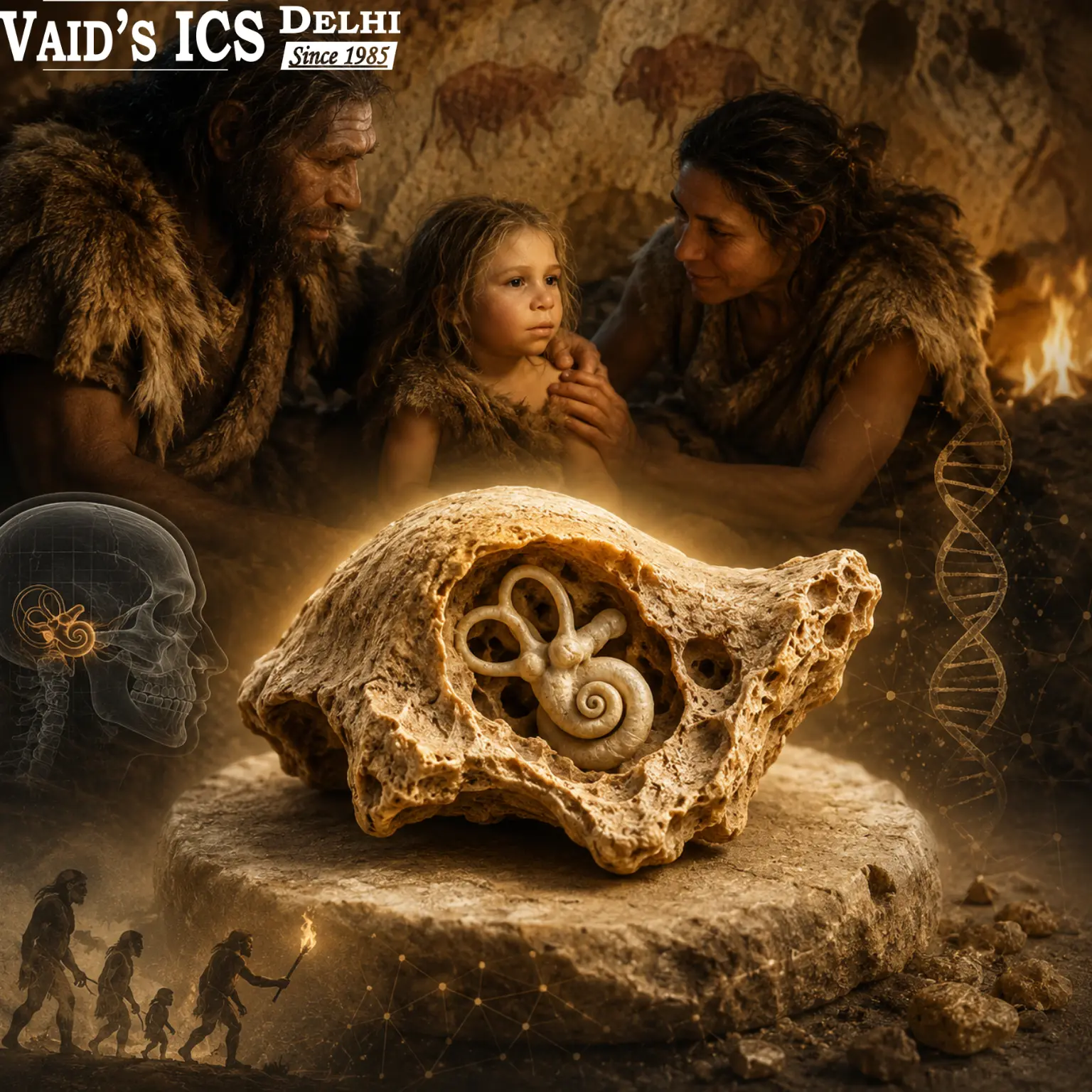
A Science Advances study of a Neanderthal child (‘Tina’) with Down syndrome points to caregiving and social behaviour — a strong Paper 1 example for UPSC Anthropology.

Why men are on average taller than women – the genetics, hormones and evolutionary basis of human sexual dimorphism in stature, for UPSC Anthropology.
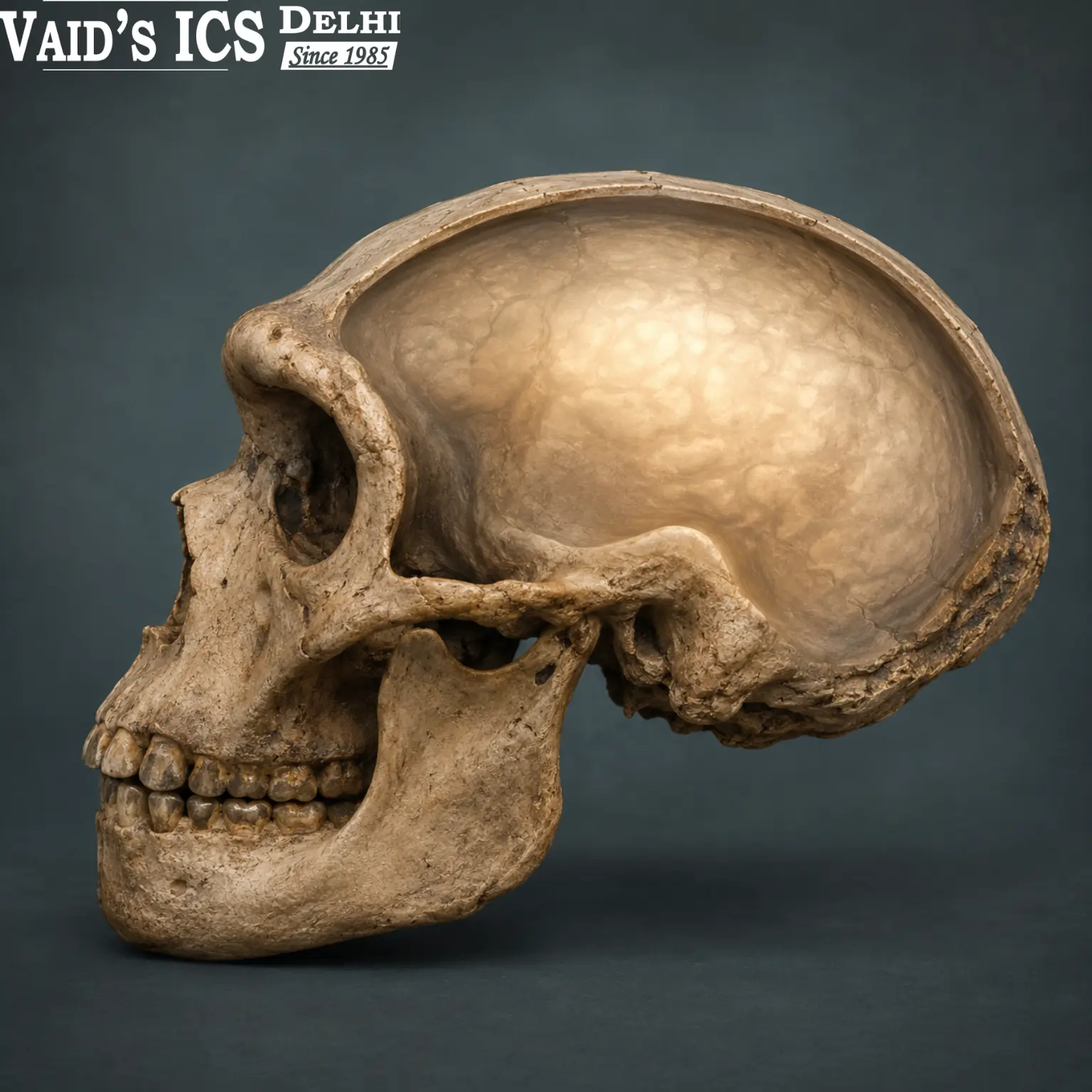
The Xujiayao hominin from China had one of the largest known Middle Pleistocene brains, challenging the idea of steady brain-size growth — key Paper 1 content for UPSC Anthropology.

Denisovans lived on the Tibetan Plateau and overlapped with modern humans; their EPAS1 gene helps Tibetans survive at high altitude — key human-evolution content for UPSC Anthropology Paper 1.