Do Apes Understand Each Other? Gestures and the Origins of Language
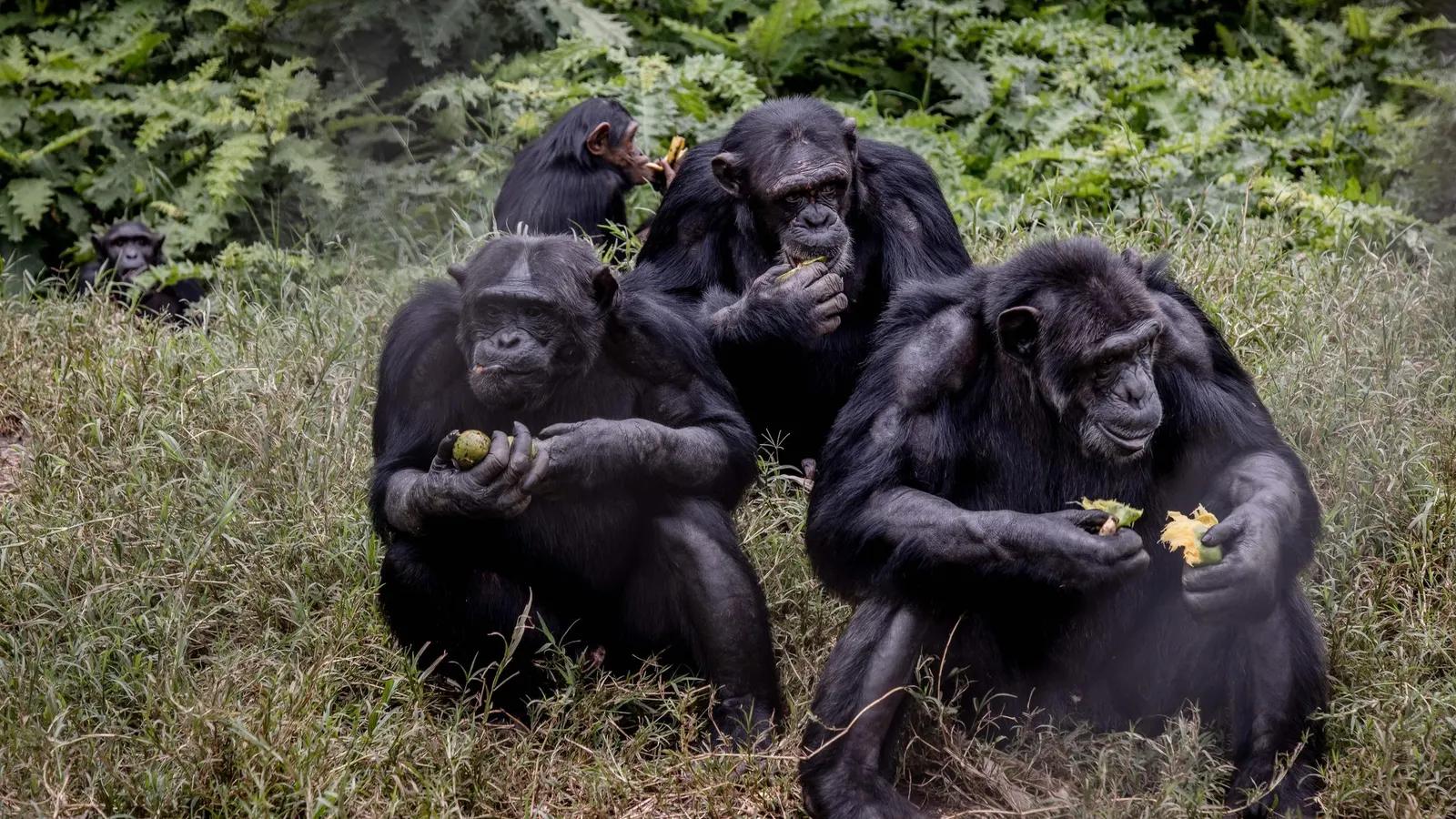
Great apes appear to grasp the intent behind gestures — the Recruitment View of ape gesture communication and what it means for the origins of language, for UPSC Anthropology.
VAID'S ICS – Best UPSC Anthropology Coaching in Delhi Since 1985
Great apes appear to grasp the intent behind gestures — the Recruitment View of ape gesture communication and what it means for the origins of language, for UPSC Anthropology.
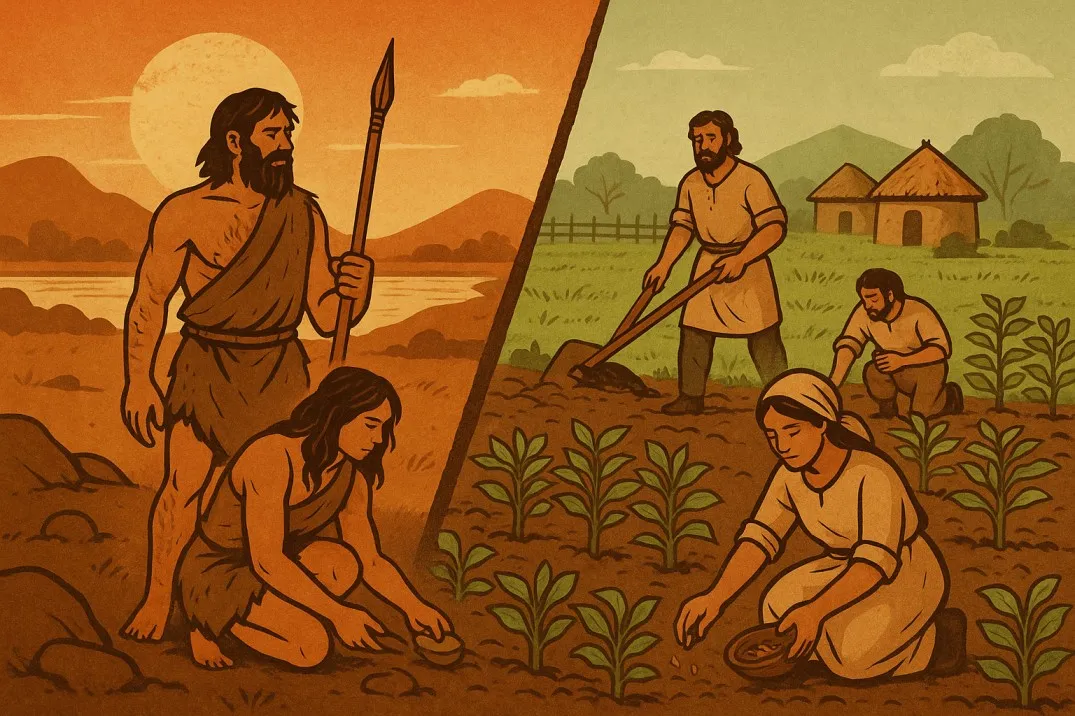
A PNAS study on the origins of agriculture and its role in human evolution and the transition to farming societies – for UPSC Anthropology.
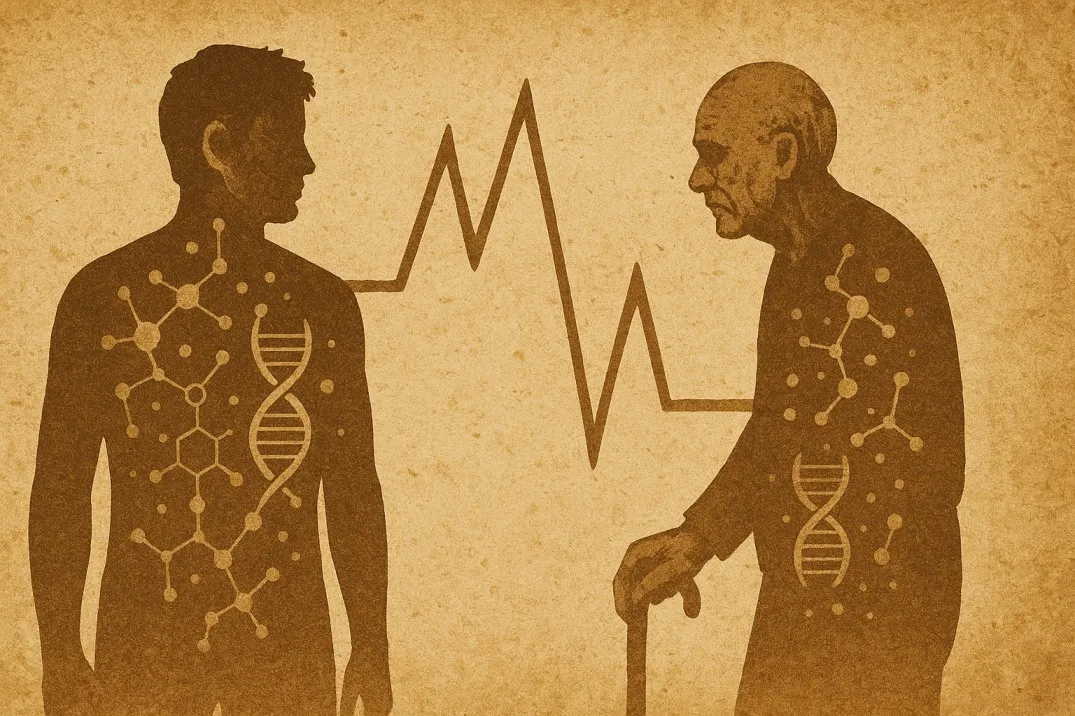
Research suggests human molecular ageing accelerates at two sharp peaks rather than steadily, with implications for human biology and the lifespan.
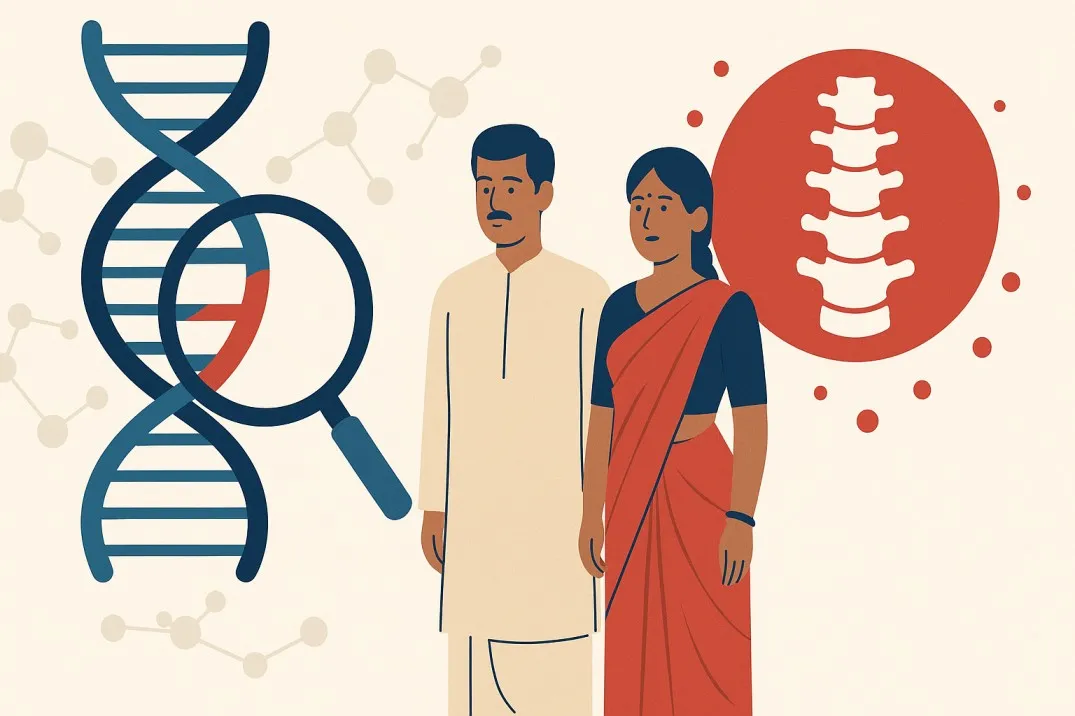
Endogamy concentrates rare inherited variants within communities, raising genetic risk – a population-genetics theme relevant to UPSC Anthropology.
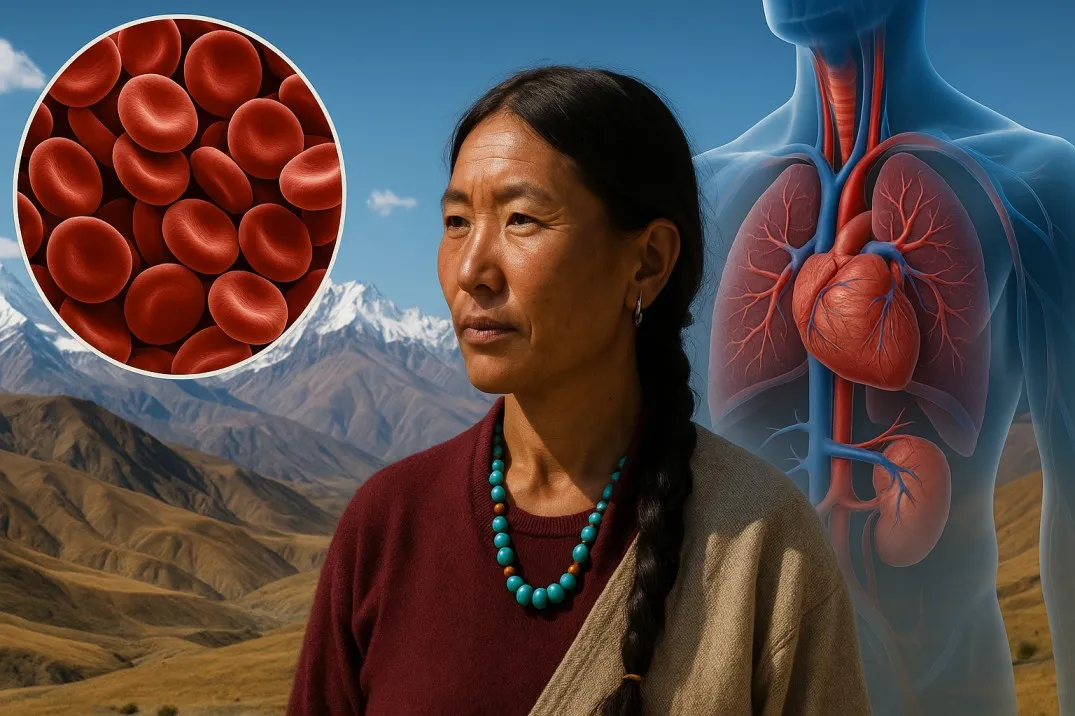
Populations on the Tibetan Plateau show ongoing genetic adaptation to high-altitude, low-oxygen conditions, a living example of contemporary human evolution.
Parents’ genes can shape a child’s development indirectly through the environment they create – genetic nurture, a genetics theme for UPSC Anthropology.
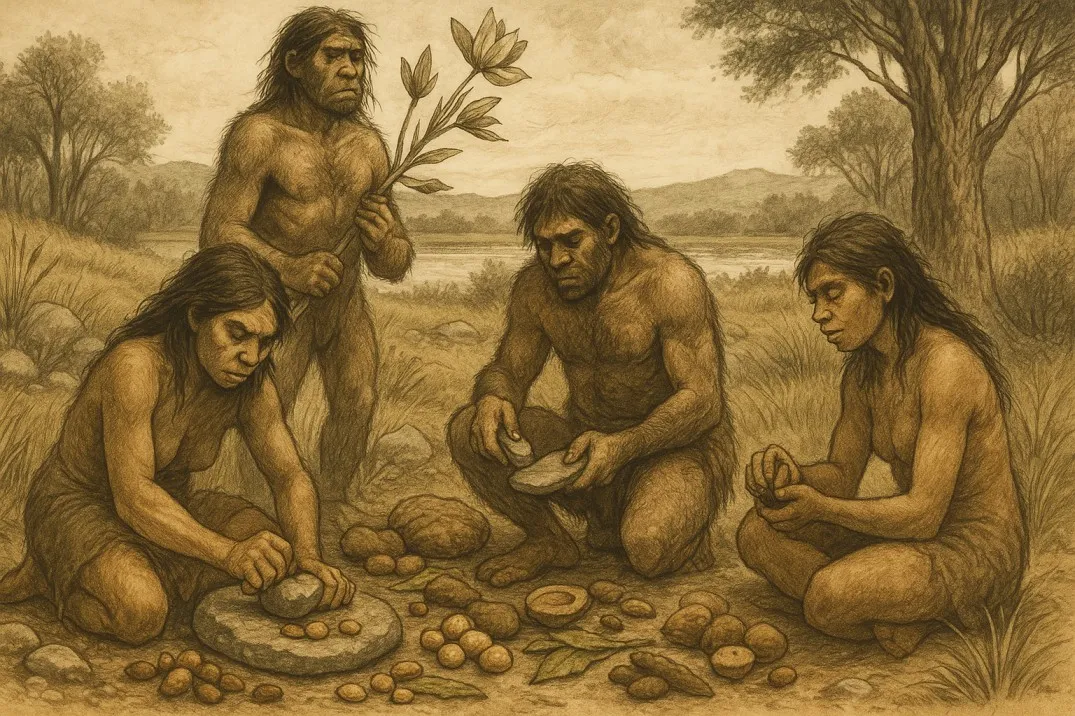
Evidence from an early human site indicates a substantial plant-based diet around 780,000 years ago – dietary anthropology relevant to UPSC Anthropology.
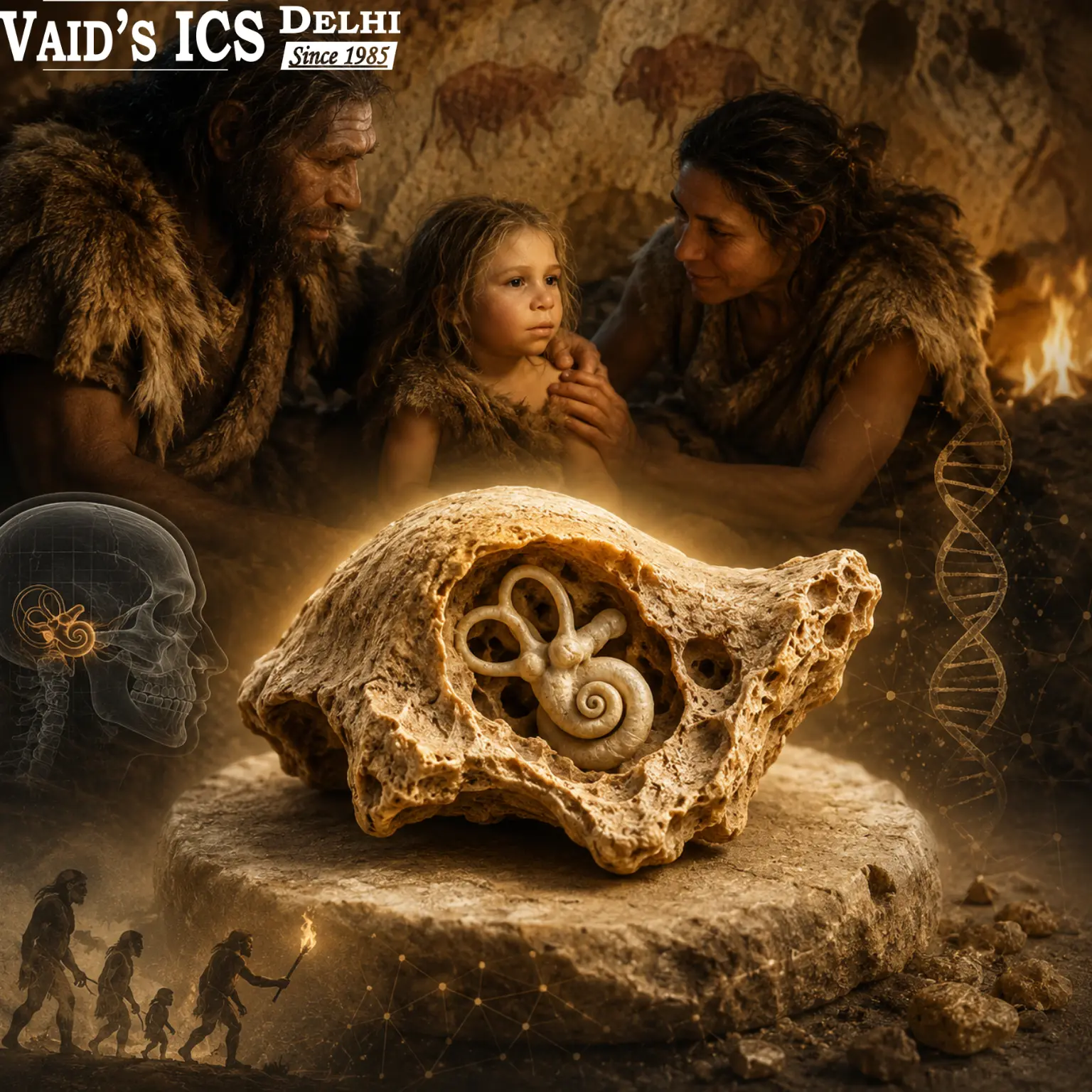
A Science Advances study of a Neanderthal child (‘Tina’) with Down syndrome points to caregiving and social behaviour — a strong Paper 1 example for UPSC Anthropology.
Why men are on average taller than women – the genetics, hormones and evolutionary basis of human sexual dimorphism in stature, for UPSC Anthropology.