Early Human Hands: Climbing and Tool-Making in Our Ancestors

A 2025 Science Advances study of Australopithecus sediba and Homo naledi shows hands built for both climbing and manipulation — key Paper 1 evidence for UPSC Anthropology.
VAID'S ICS – Best UPSC Anthropology Coaching in Delhi Since 1985

A 2025 Science Advances study of Australopithecus sediba and Homo naledi shows hands built for both climbing and manipulation — key Paper 1 evidence for UPSC Anthropology.
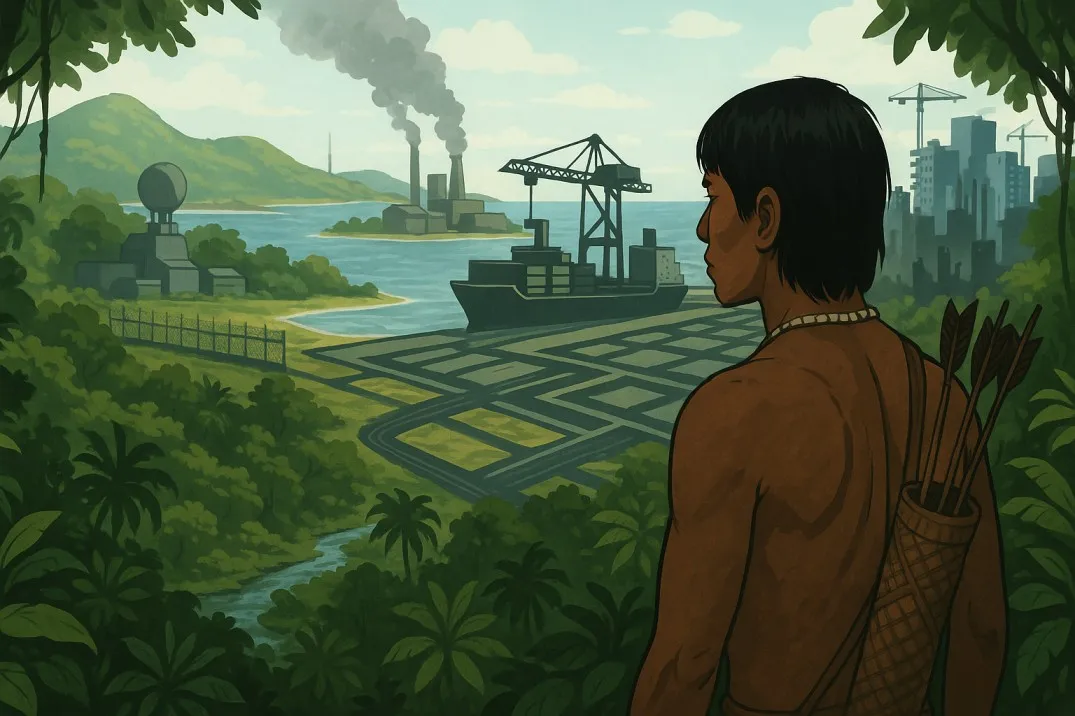
How the Great Nicobar development project threatens the Shompen, a particularly vulnerable tribal group – displacement, isolation and rights for UPSC Anthropology.
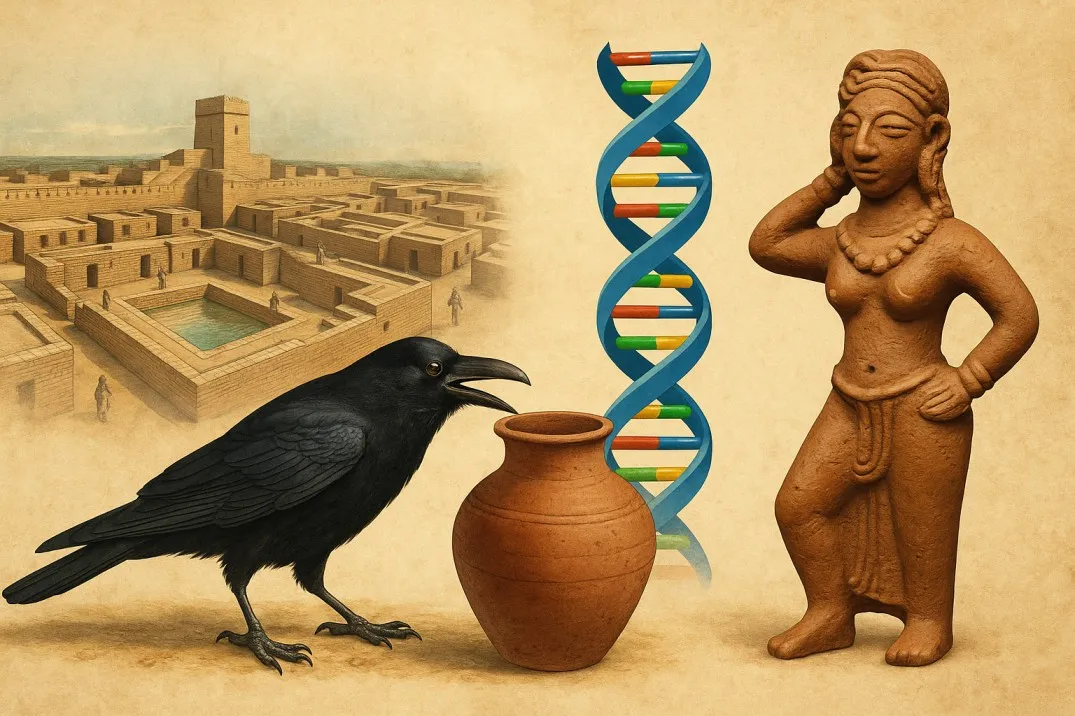
A look at debates over whether the Harappan civilisation’s contribution to ancient Indian knowledge has been diluted or exaggerated – for UPSC Anthropology.
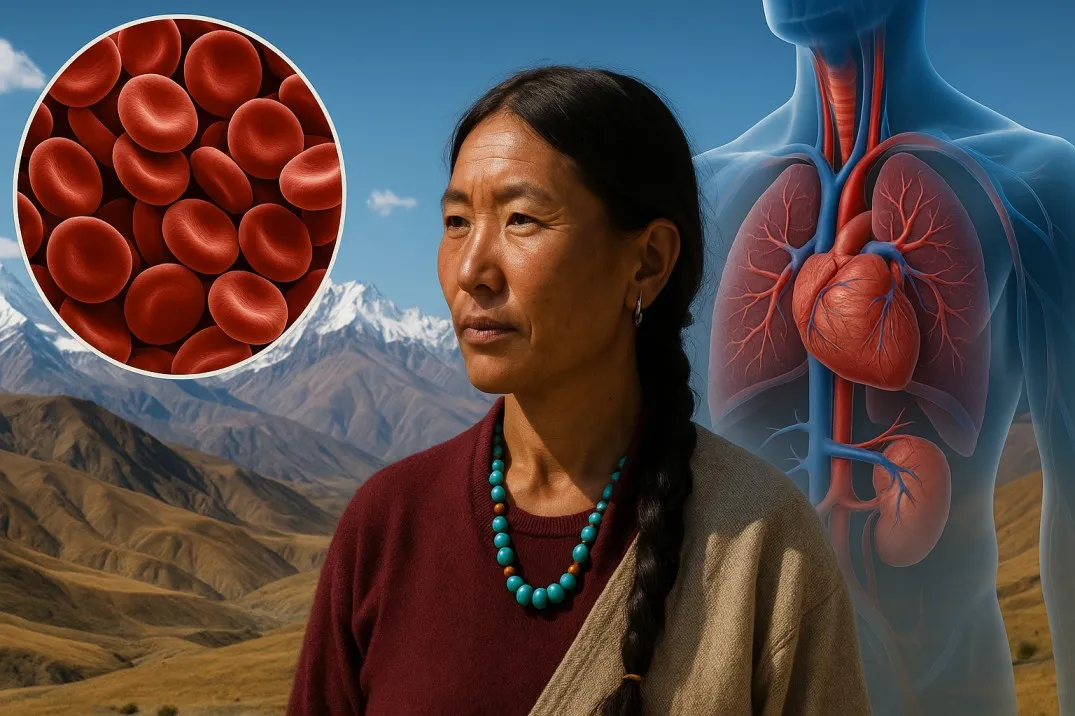
Populations on the Tibetan Plateau show ongoing genetic adaptation to high-altitude, low-oxygen conditions, a living example of contemporary human evolution.

Parents’ genes can shape a child’s development indirectly through the environment they create – genetic nurture, a genetics theme for UPSC Anthropology.
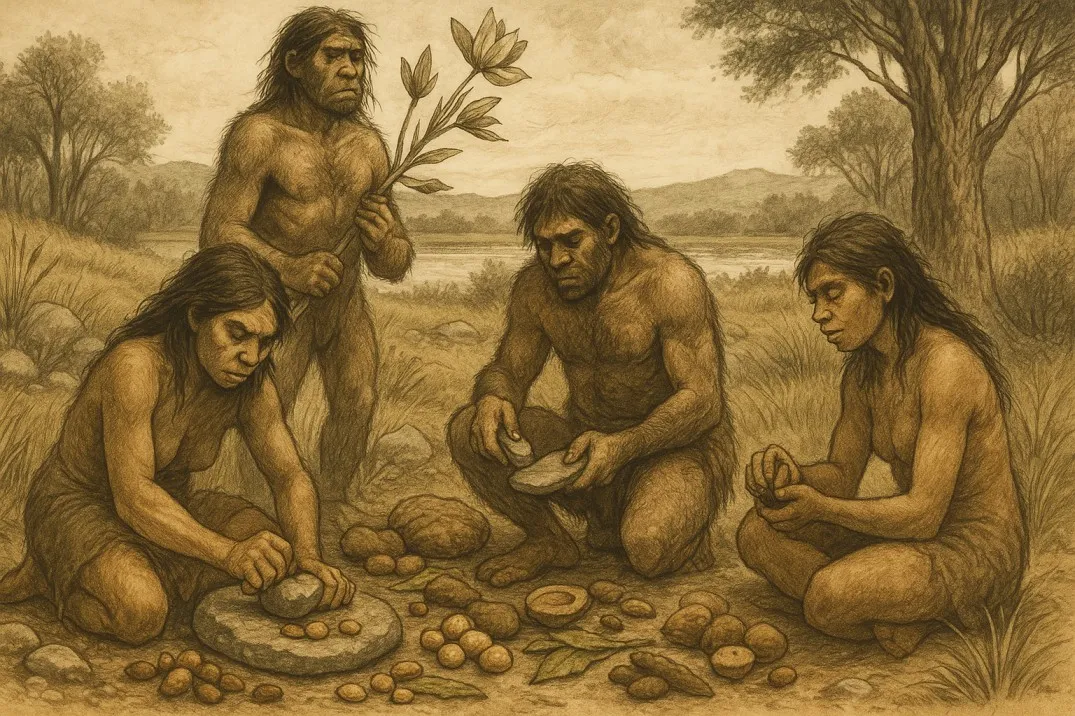
Evidence from an early human site indicates a substantial plant-based diet around 780,000 years ago – dietary anthropology relevant to UPSC Anthropology.
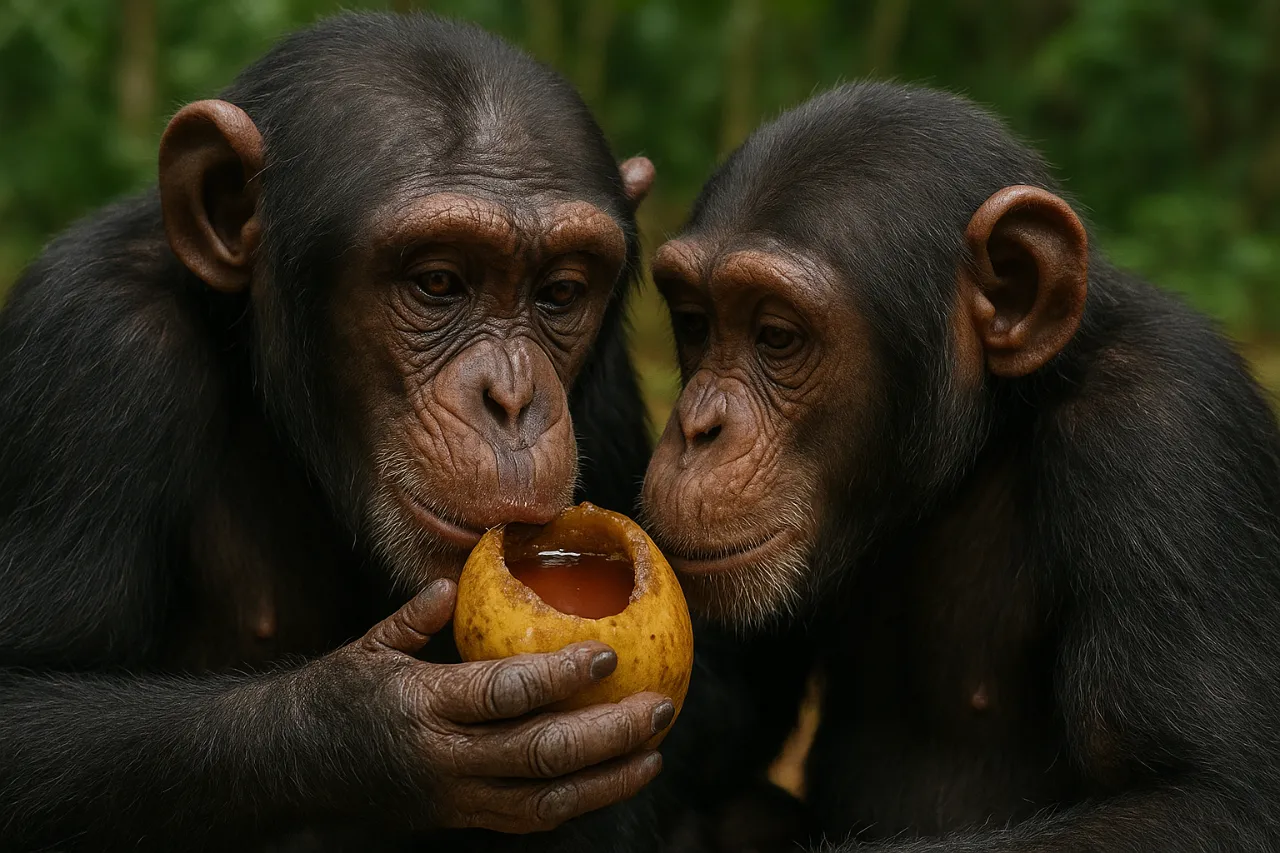
Wild chimpanzees share low-ethanol fermented fruit in social settings — a case study in chimpanzee social bonding, commensality and the drunken monkey hypothesis for UPSC Anthropology.
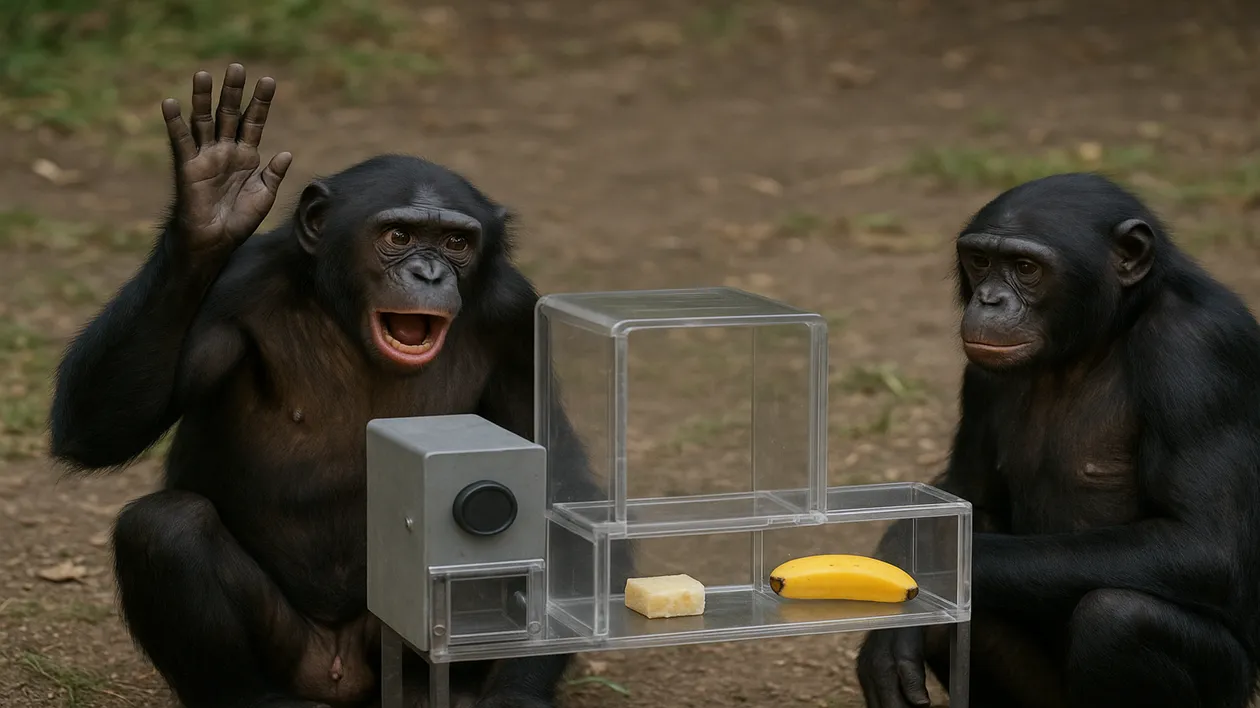
Bonobos reject unequal rewards, even at a cost — what inequity aversion in primates reveals about the evolutionary roots of fairness and cooperation, for UPSC Anthropology.
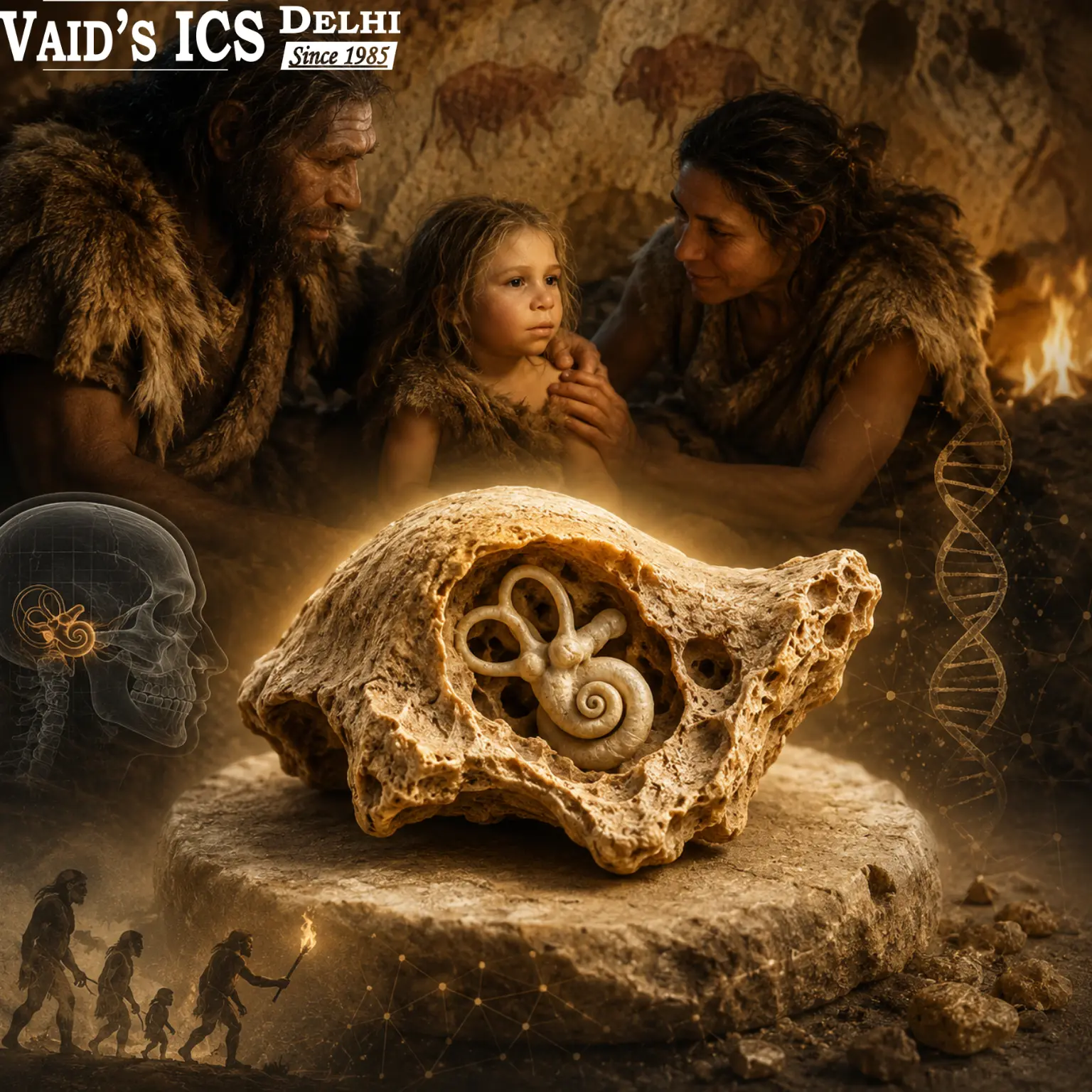
A Science Advances study of a Neanderthal child (‘Tina’) with Down syndrome points to caregiving and social behaviour — a strong Paper 1 example for UPSC Anthropology.

Why men are on average taller than women – the genetics, hormones and evolutionary basis of human sexual dimorphism in stature, for UPSC Anthropology.