Archaeologists and Sanskrit scholars collaborate to decipher the Rigveda
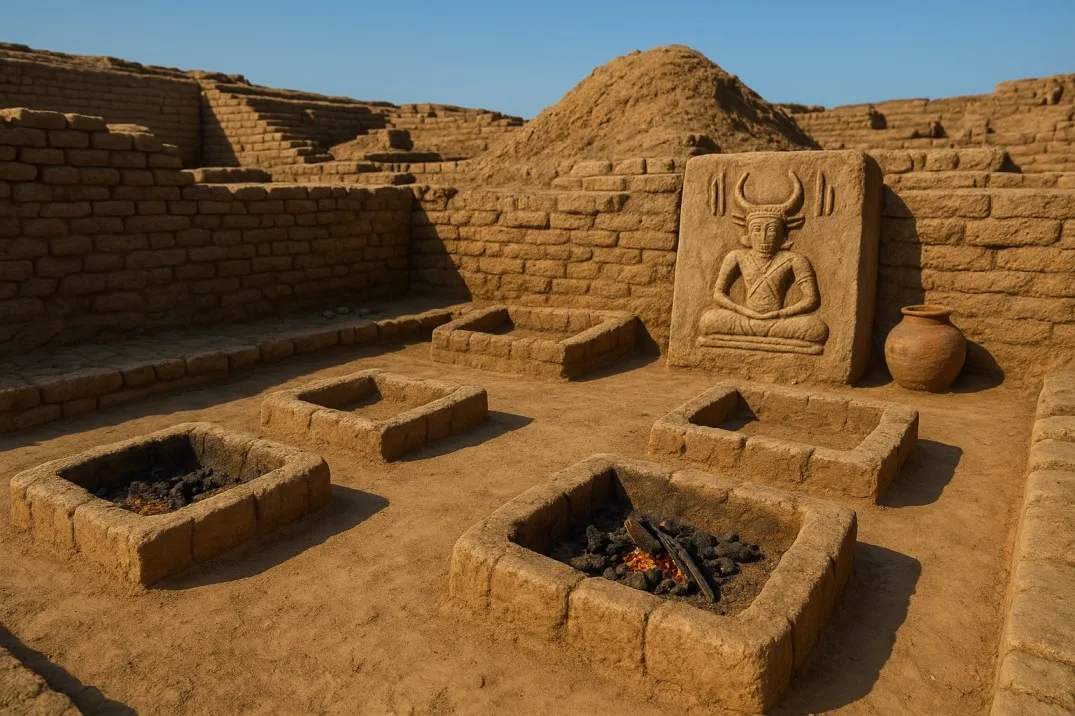
Archaeologists and Sanskrit scholars are collaborating to decode ancient Indian evidence, bridging material culture and textual sources – for UPSC Anthropology.
VAID'S ICS – Best UPSC Anthropology Coaching in Delhi Since 1985

Archaeologists and Sanskrit scholars are collaborating to decode ancient Indian evidence, bridging material culture and textual sources – for UPSC Anthropology.
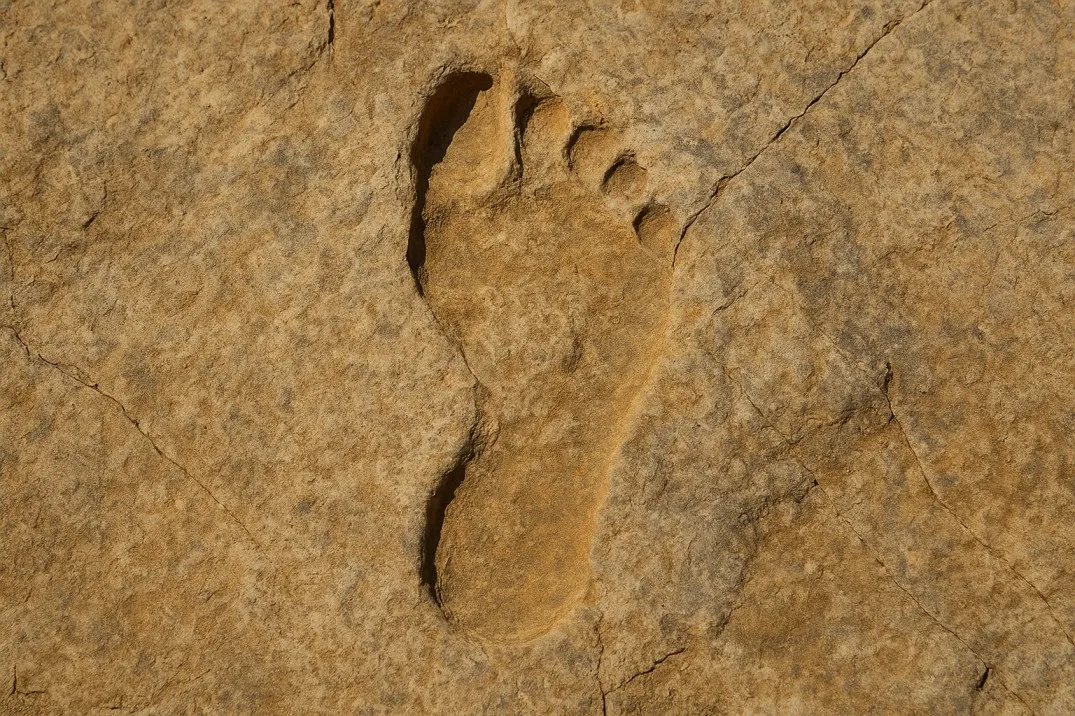
The 6-million-year-old Trachilos footprints from Crete suggest early bipedal hominins may have ranged beyond Africa, challenging the Africa-only account of human evolution.
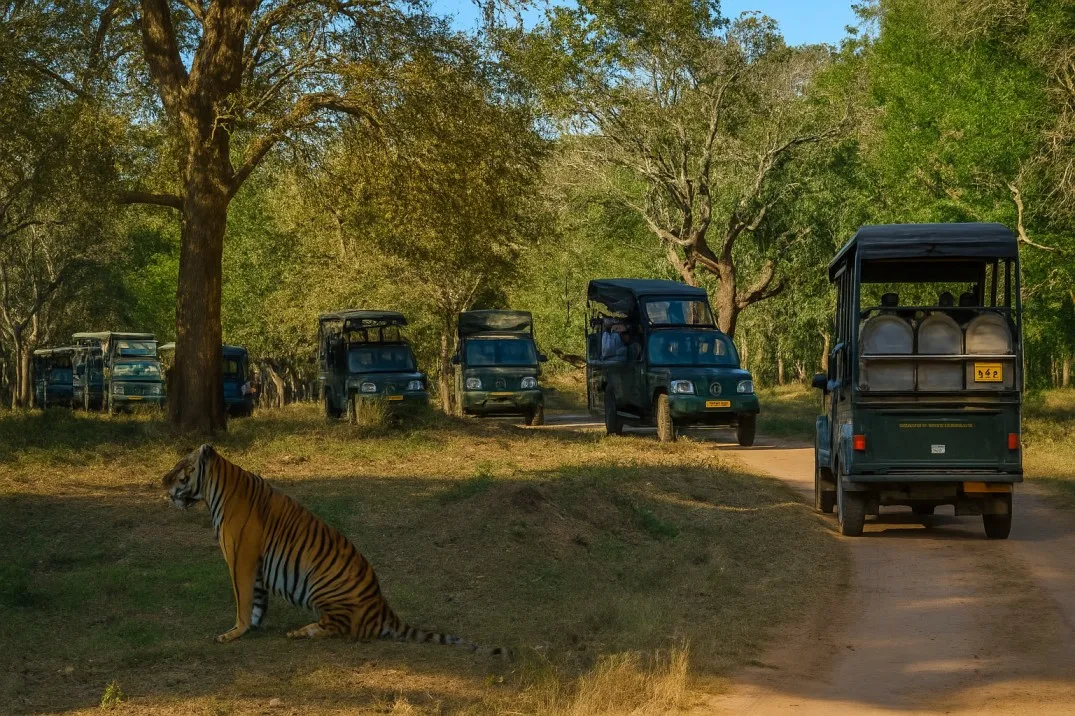
An evicted Indian tribe camps inside a tiger reserve to reclaim its ancestral forest lands — a conservation-versus-tribal-rights flashpoint for UPSC Anthropology Paper II.
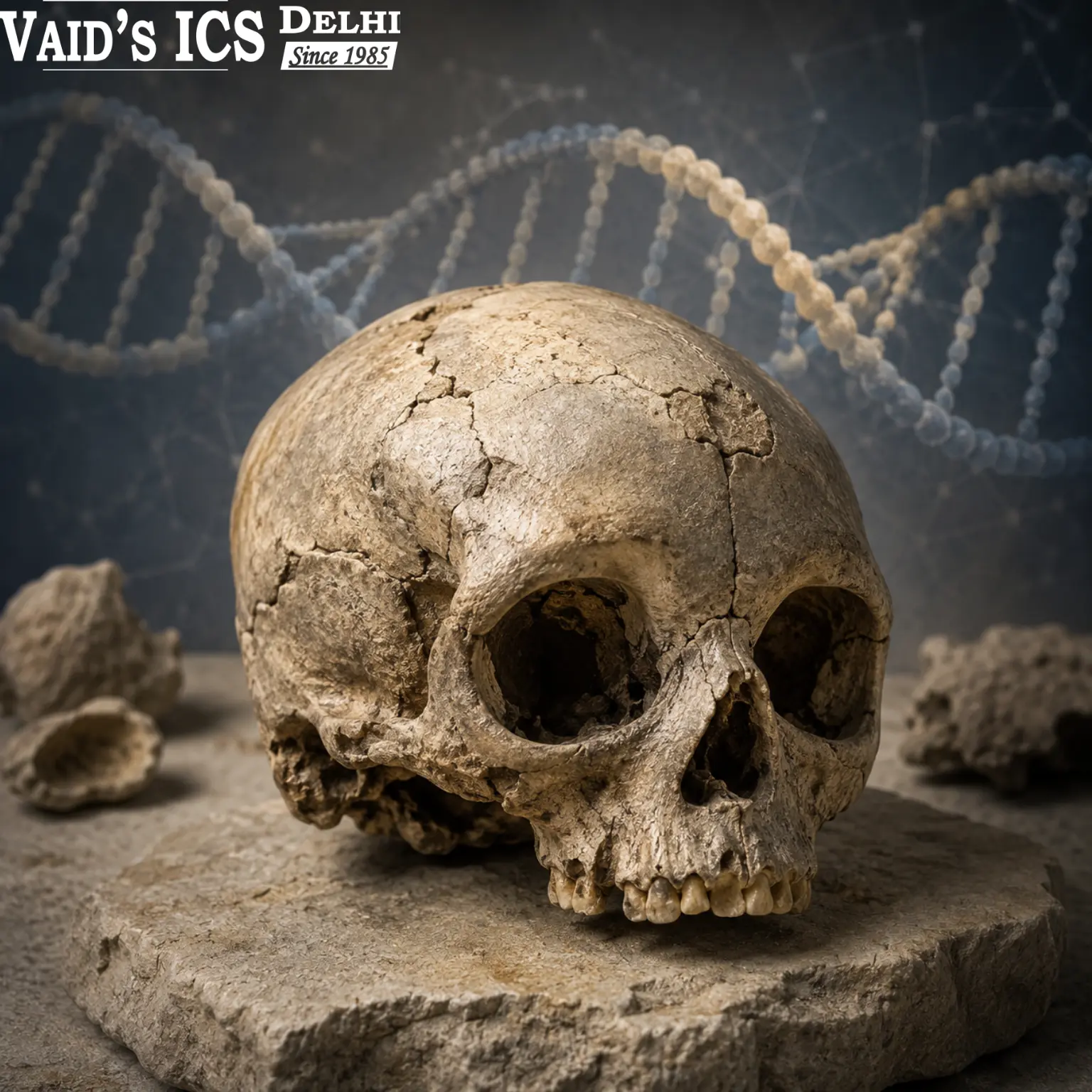
A 2025 reanalysis of the Skhul child fossil proposes a human–Neanderthal hybrid — a debated interpretation with rich Paper 1 relevance for UPSC Anthropology.
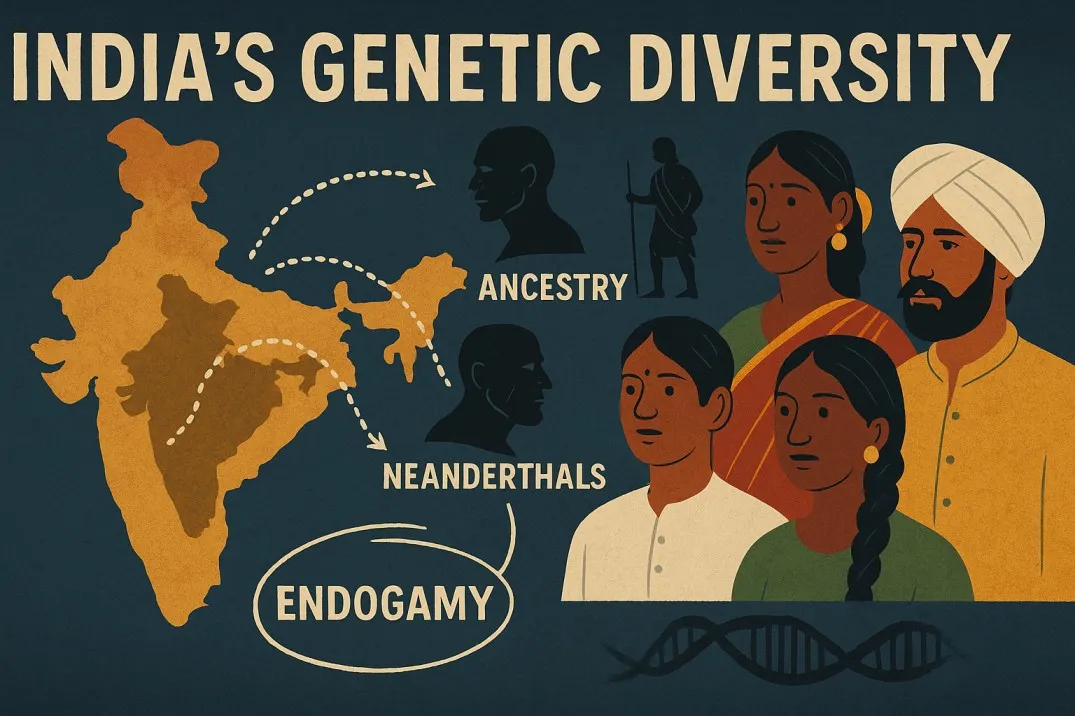
The genetic diversity of Indian populations reflects multiple ancestral groups and endogamy, a key theme in population genetics for UPSC Anthropology.
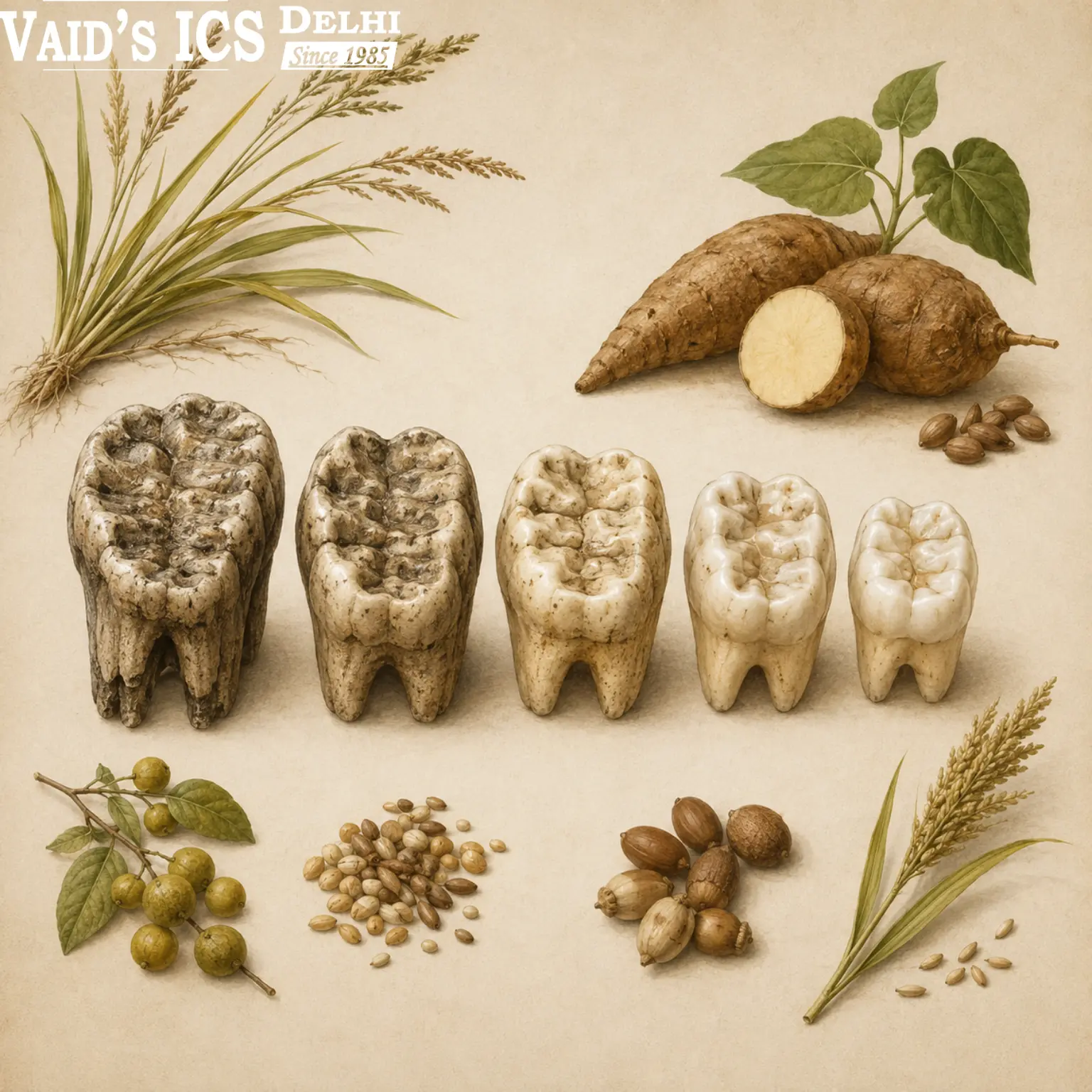
A 2025 Science study shows how shifting diets reshaped hominin teeth from Australopithecus to early Homo — key dental and dietary evidence for UPSC Anthropology Paper 1.
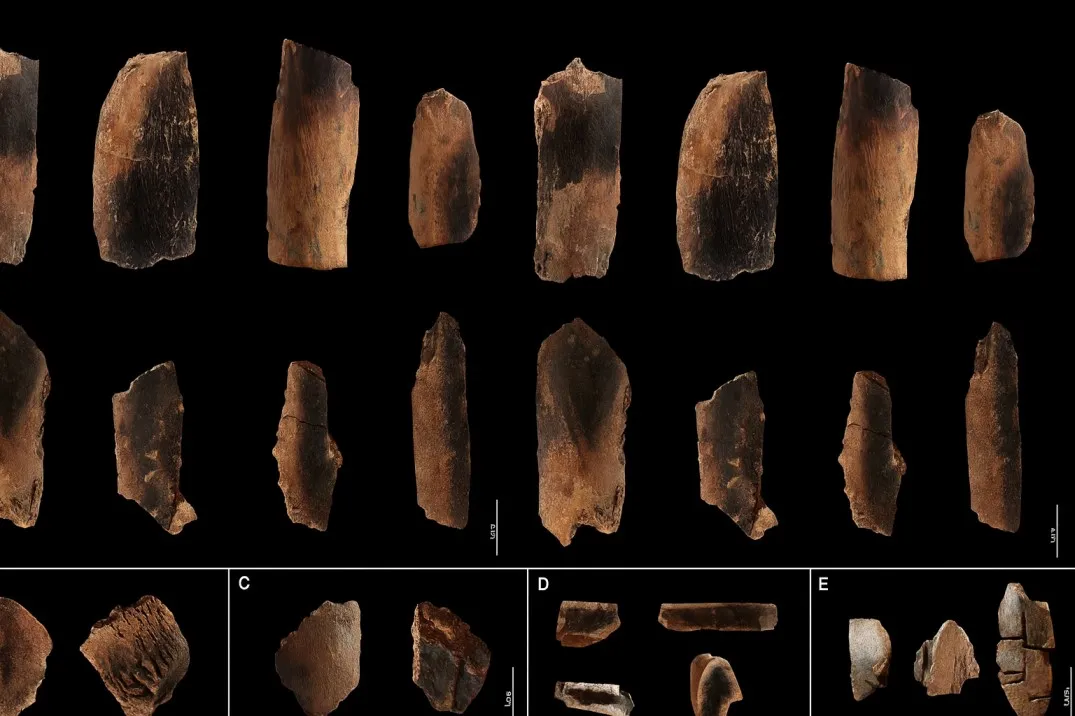
Evidence suggests early humans made controlled use of fire around a million years ago, with major implications for diet, cooking and human evolution.
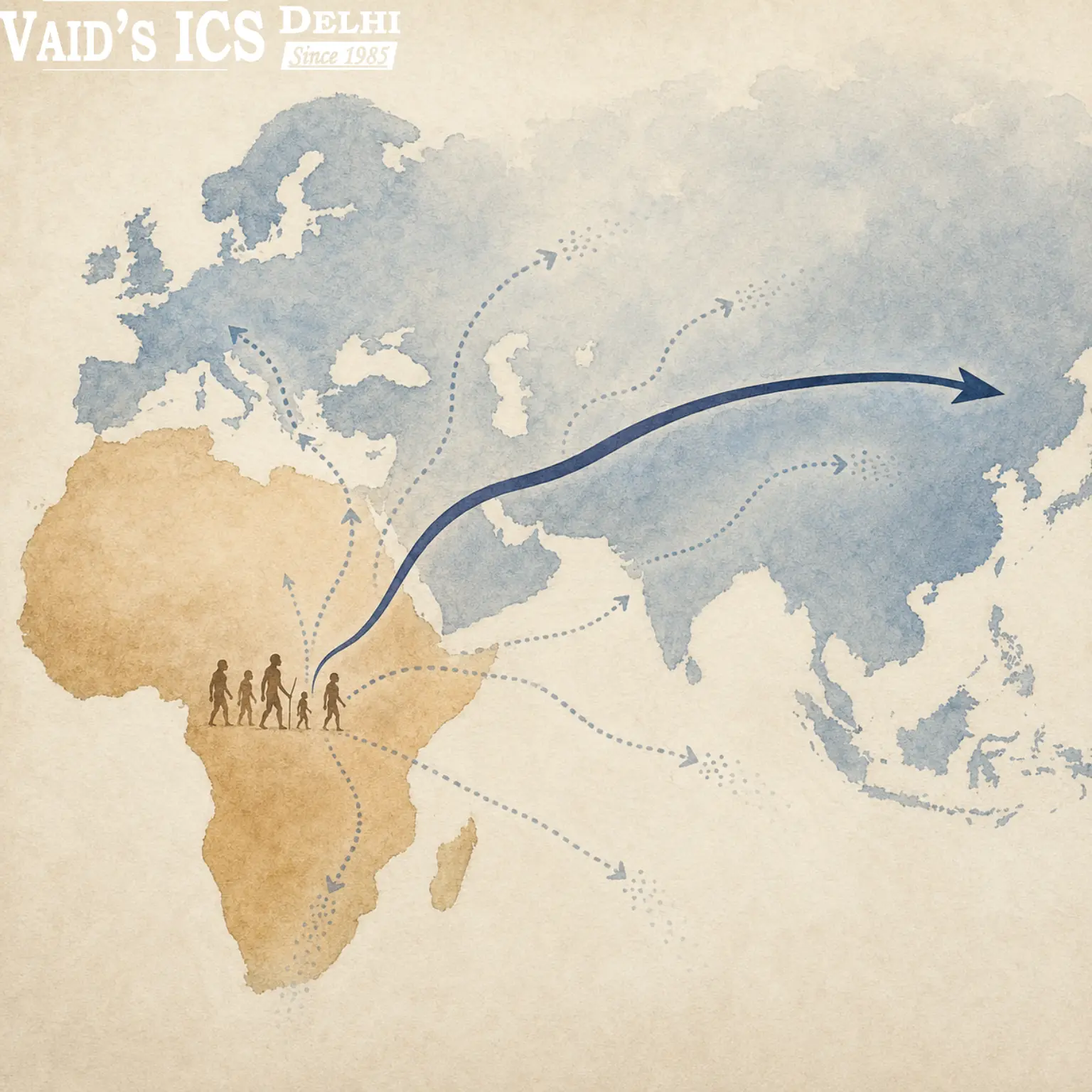
A 2025 Nature study links the successful Out of Africa dispersal to an earlier expansion of the human ecological niche within Africa — key Paper 1 migration content for UPSC Anthropology.
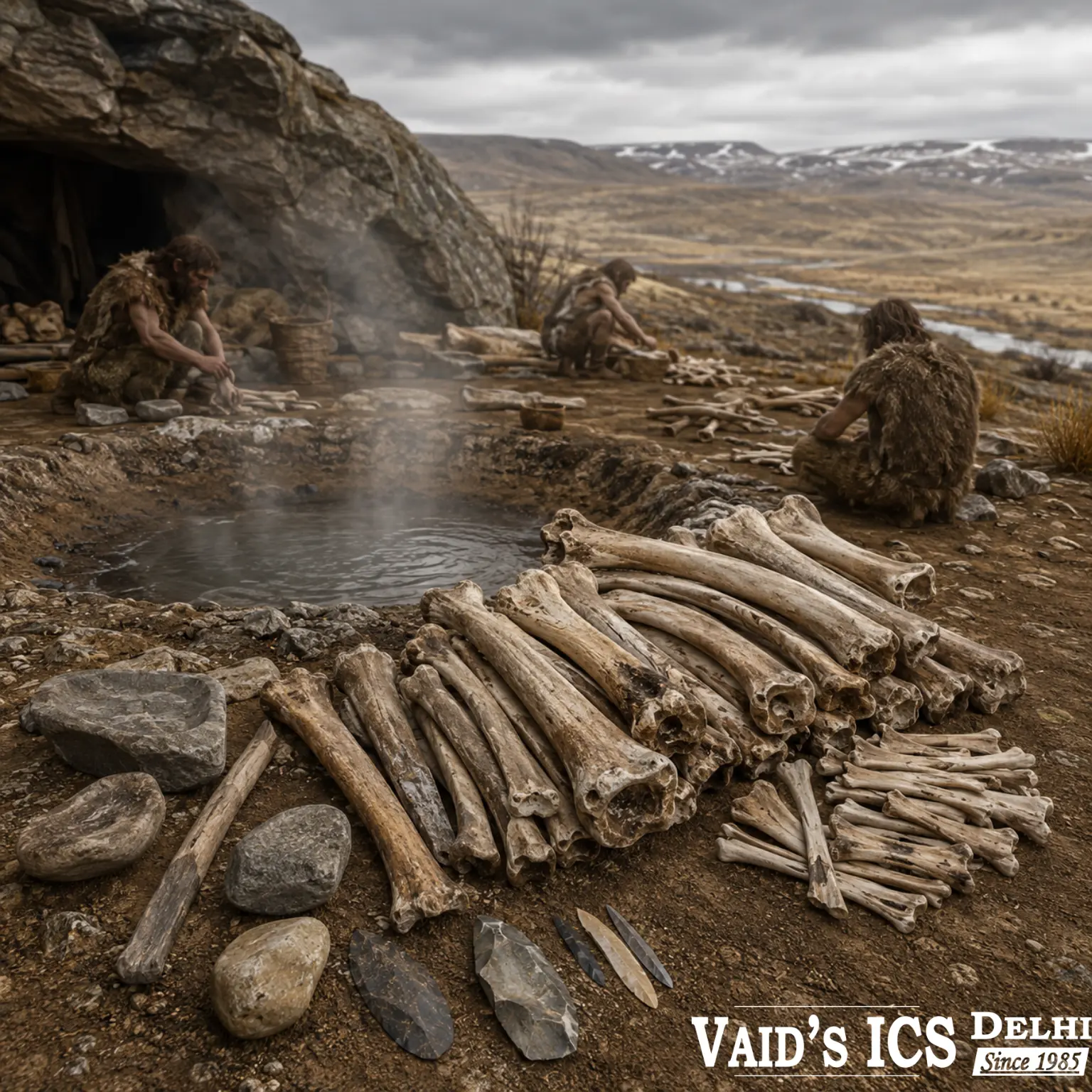
A Science Advances study at Neumark-Nord shows Neanderthals ran a bone-grease ‘fat factory’ ~125,000 years ago — evidence of planning and cognition for UPSC Anthropology Paper 1.
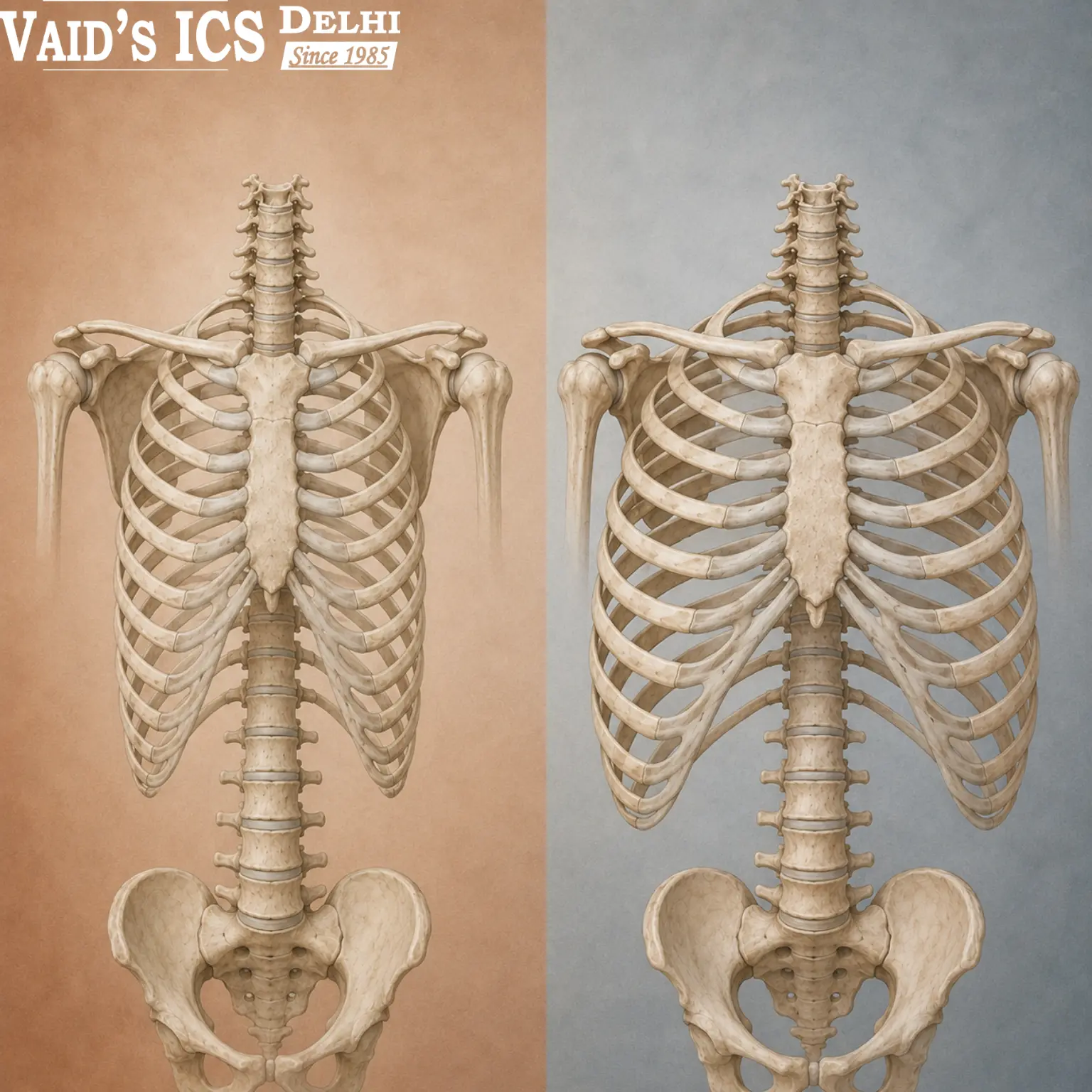
A 2025 Communications Biology study links human ribcage shape to climate, echoing Bergmann and Allen rules — key human-adaptation content for UPSC Anthropology Paper 1.