Domestication of Horses and Its Impact on Human Society
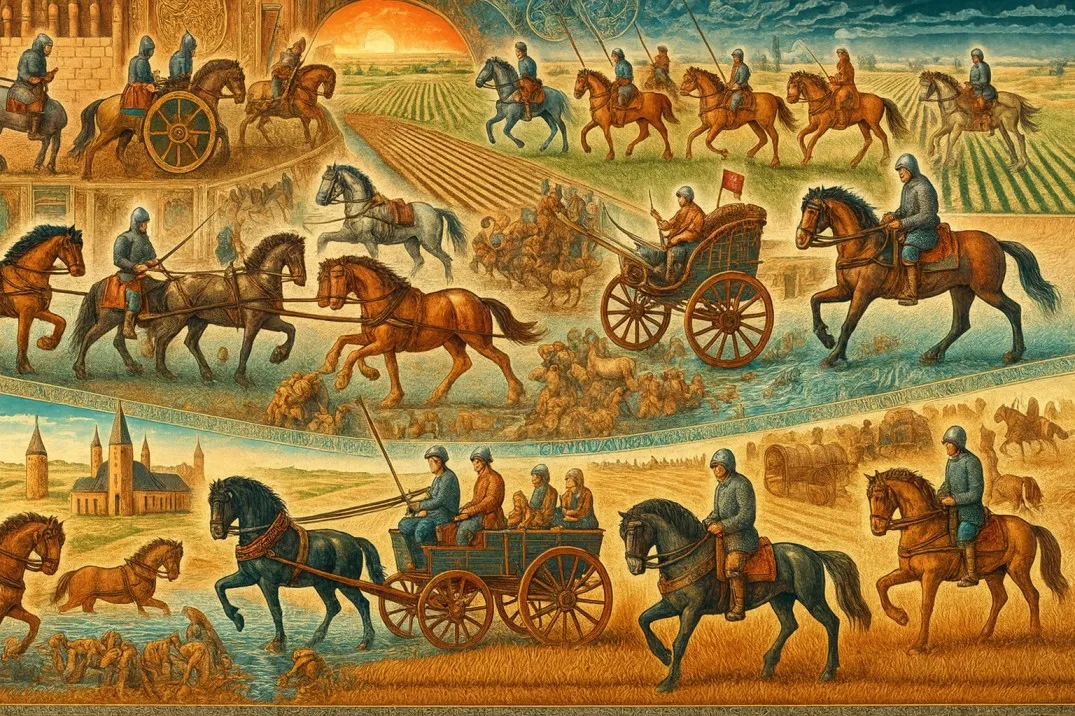
How horse domestication on the Eurasian steppe reshaped mobility, warfare and society – the Botai and Yamnaya evidence, for UPSC Anthropology.
VAID'S ICS – Best UPSC Anthropology Coaching in Delhi Since 1985

Complete notes on Physical Anthropology for UPSC Mains – Evolution, Genetics, Human Growth, Primates, Fossil Evidence and more.
How horse domestication on the Eurasian steppe reshaped mobility, warfare and society – the Botai and Yamnaya evidence, for UPSC Anthropology.
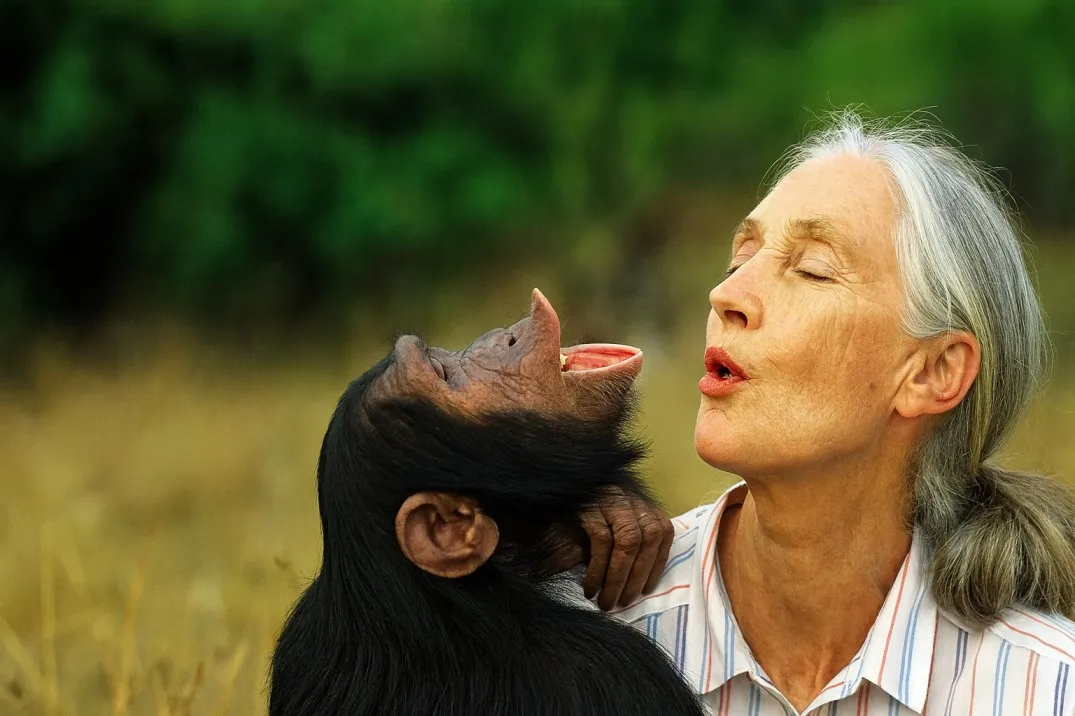
Jane Goodall transformed primatology with her long-term study of wild chimpanzees, reshaping how we understand tool use, social behaviour and the human-animal bond.
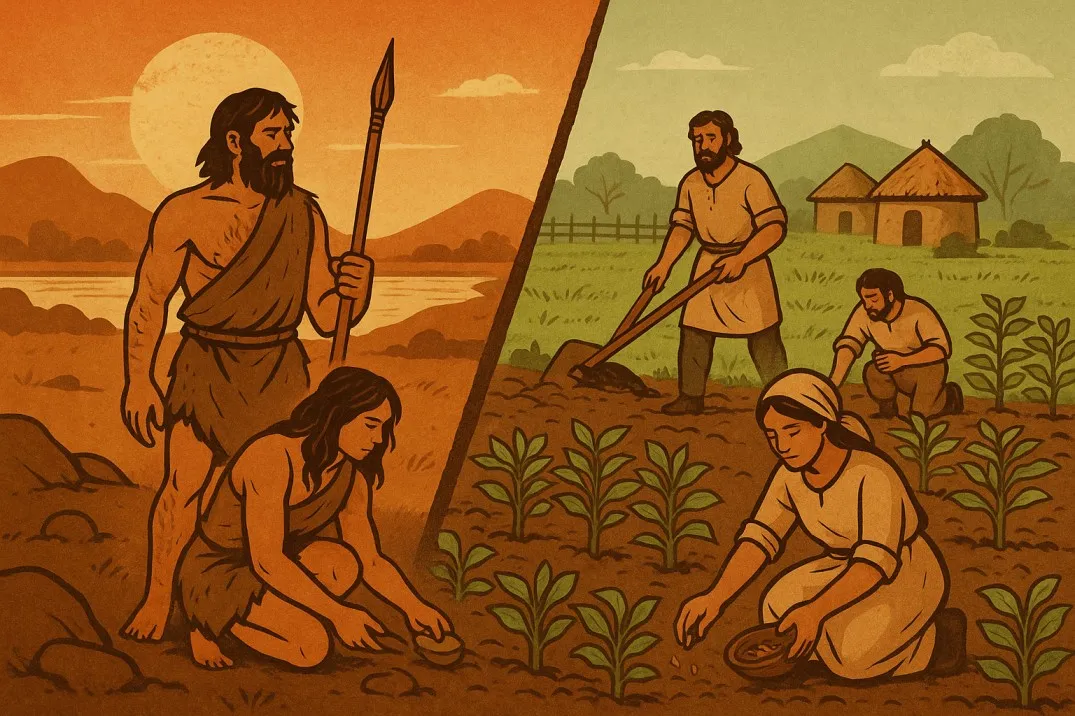
A PNAS study on the origins of agriculture and its role in human evolution and the transition to farming societies – for UPSC Anthropology.
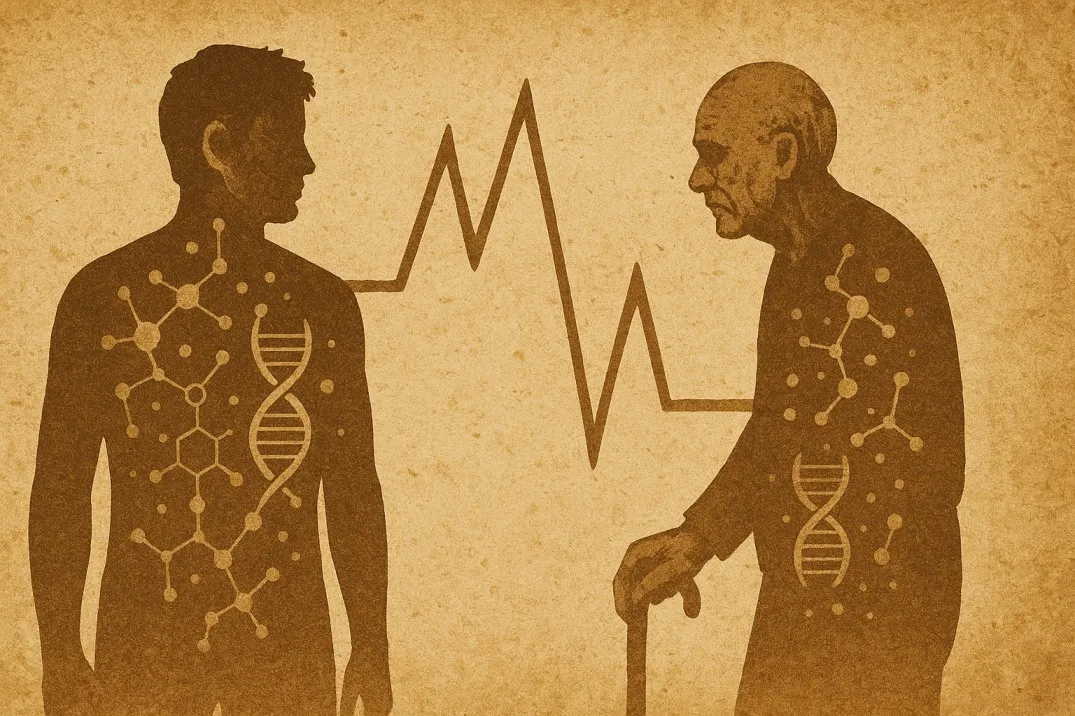
Research suggests human molecular ageing accelerates at two sharp peaks rather than steadily, with implications for human biology and the lifespan.
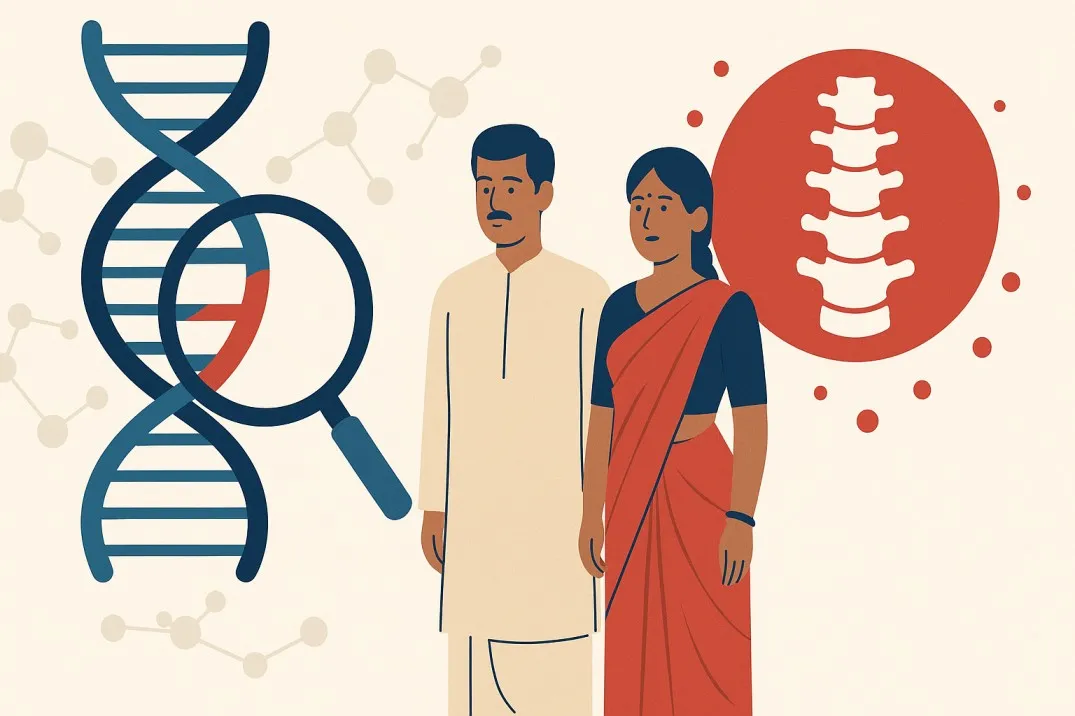
Endogamy concentrates rare inherited variants within communities, raising genetic risk – a population-genetics theme relevant to UPSC Anthropology.

A 2025 Science Advances study of Australopithecus sediba and Homo naledi shows hands built for both climbing and manipulation — key Paper 1 evidence for UPSC Anthropology.
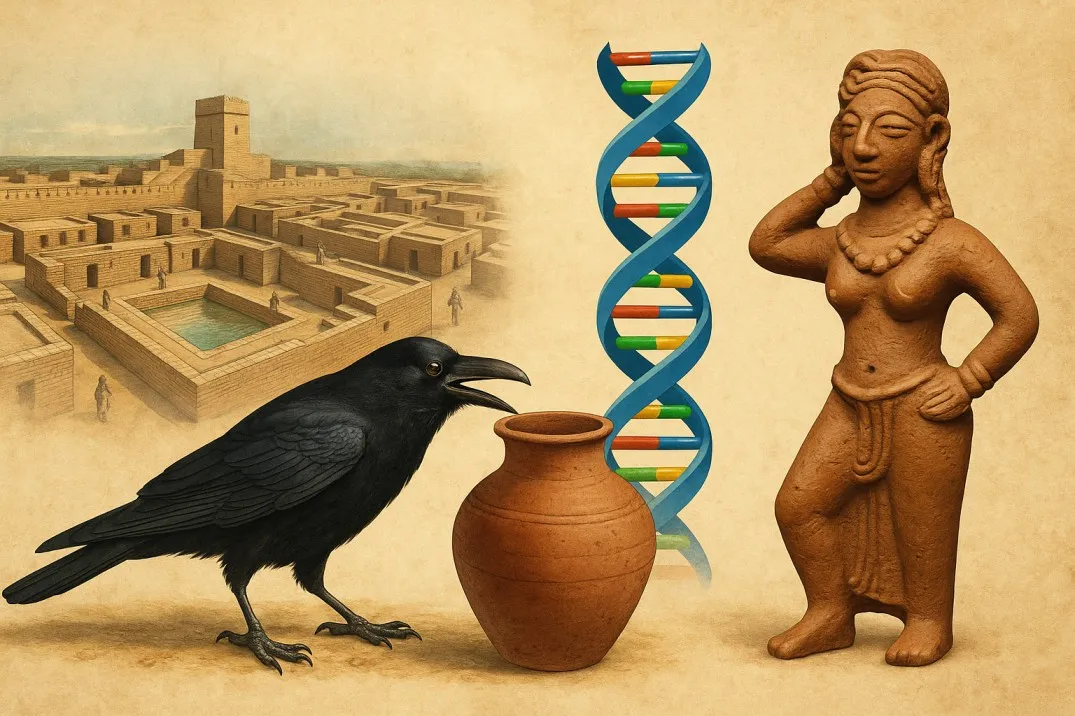
A look at debates over whether the Harappan civilisation’s contribution to ancient Indian knowledge has been diluted or exaggerated – for UPSC Anthropology.
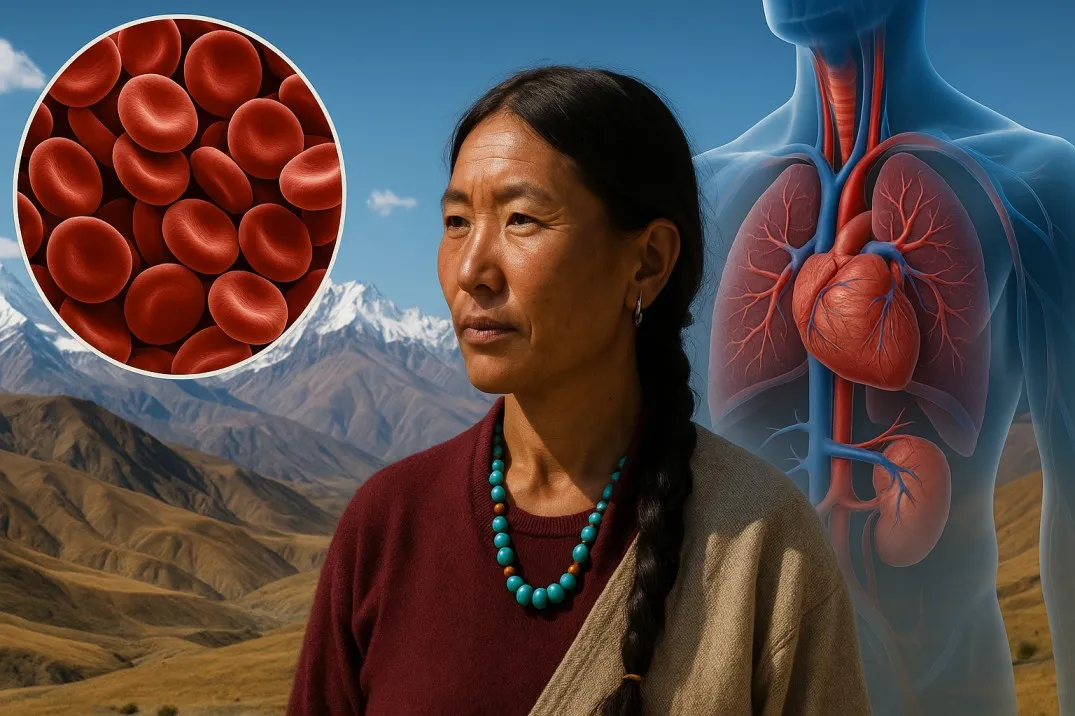
Populations on the Tibetan Plateau show ongoing genetic adaptation to high-altitude, low-oxygen conditions, a living example of contemporary human evolution.

Parents’ genes can shape a child’s development indirectly through the environment they create – genetic nurture, a genetics theme for UPSC Anthropology.
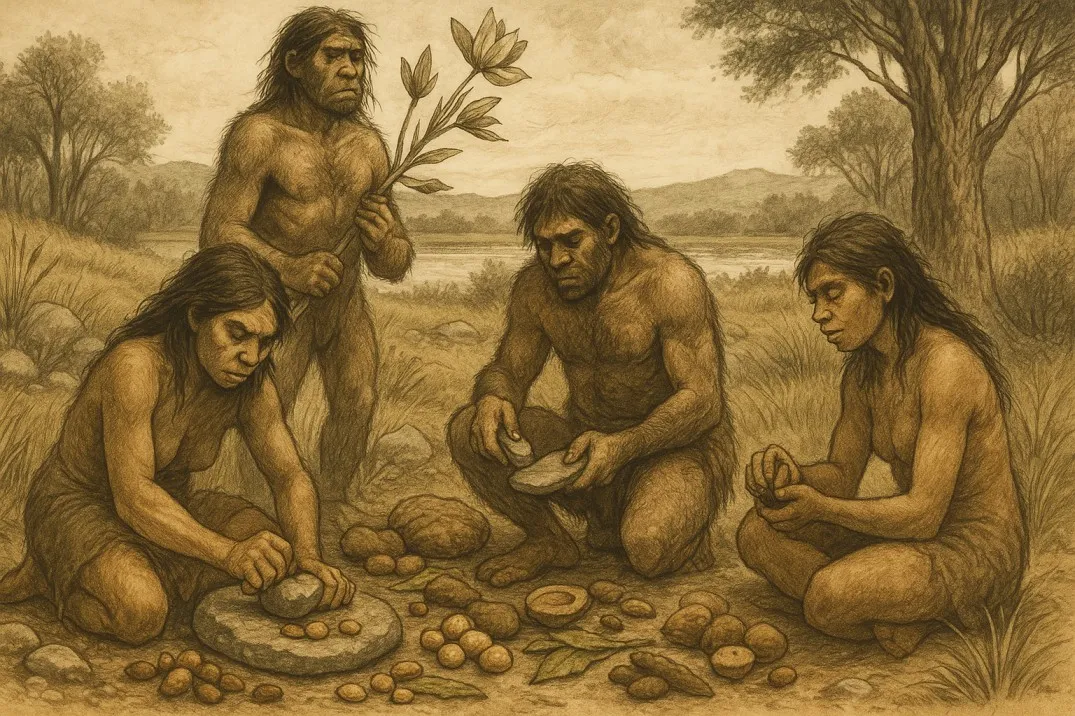
Evidence from an early human site indicates a substantial plant-based diet around 780,000 years ago – dietary anthropology relevant to UPSC Anthropology.