Why Did Early Humans Take Children into Deep, Dark Cave Networks?
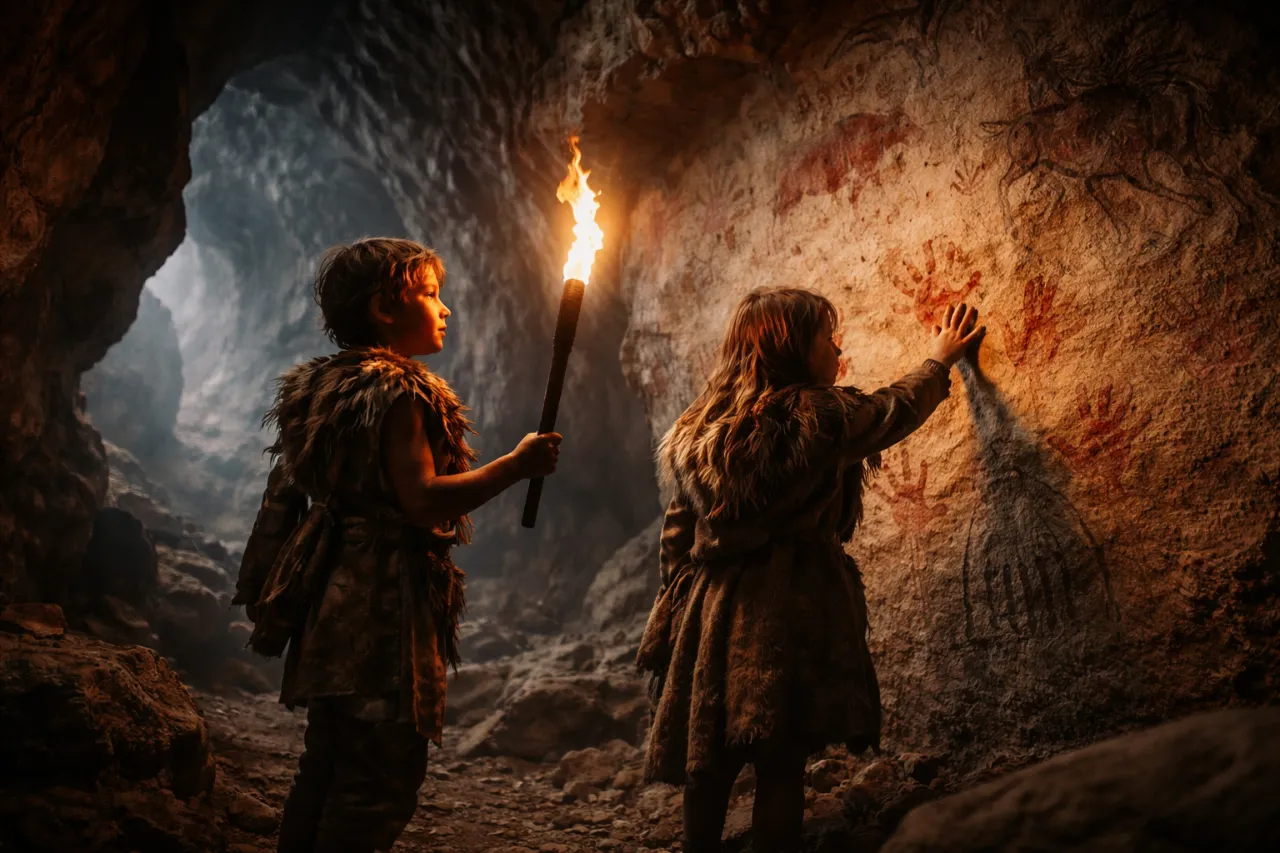
Why Palaeolithic humans brought children deep into dark cave networks – a question touching ritual, social learning and symbolic life, for UPSC Anthropology.
VAID'S ICS – Best UPSC Anthropology Coaching in Delhi Since 1985

Complete notes on Physical Anthropology for UPSC Mains – Evolution, Genetics, Human Growth, Primates, Fossil Evidence and more.
Why Palaeolithic humans brought children deep into dark cave networks – a question touching ritual, social learning and symbolic life, for UPSC Anthropology.
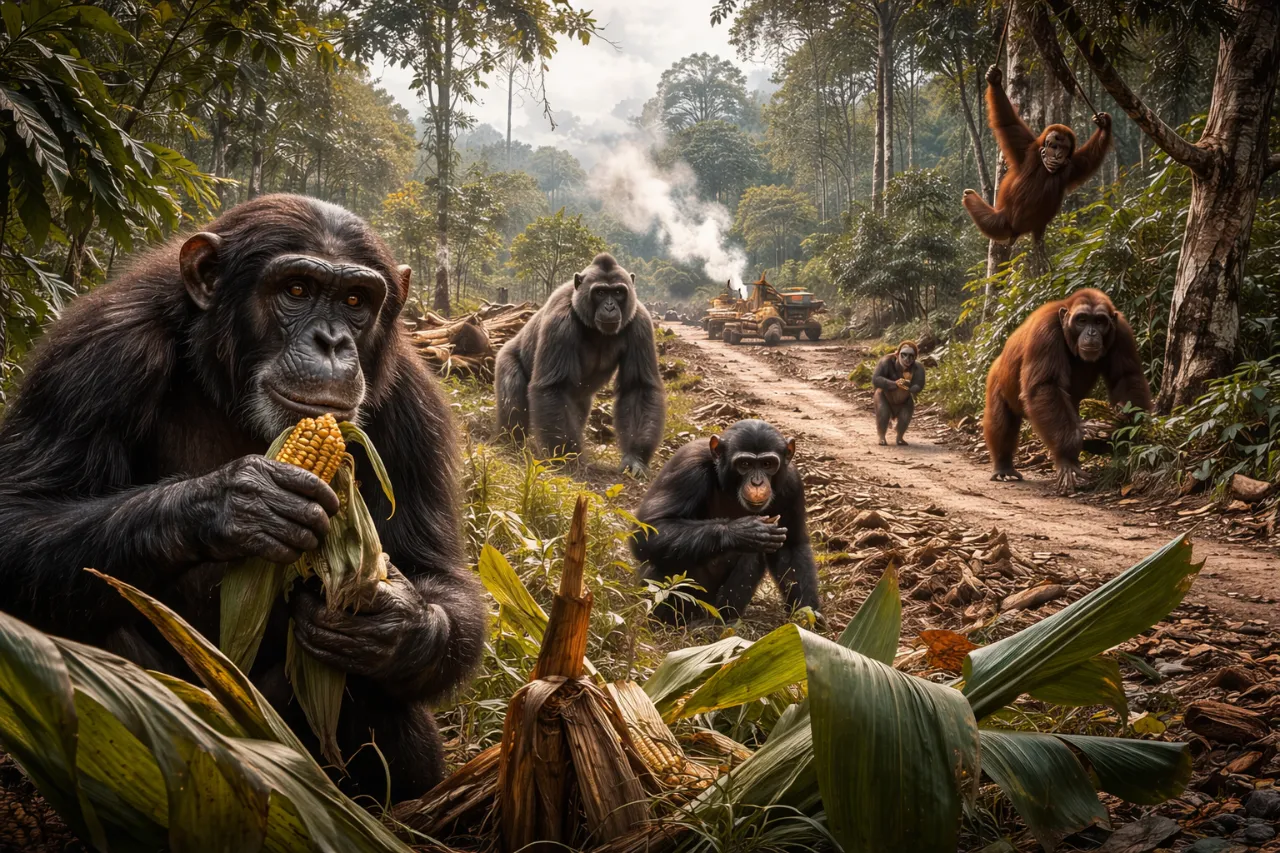
A 2025 systematic review shows great apes adapting to human disturbance through crop foraging, nesting shifts and road use — a case study in ape behavioural flexibility and conservation anthropology for UPSC.

A 2025 palaeoproteomics study used tooth-enamel proteins to identify the sex of an Australopithecus africanus fossil — key Paper 1 methods content for UPSC Anthropology.
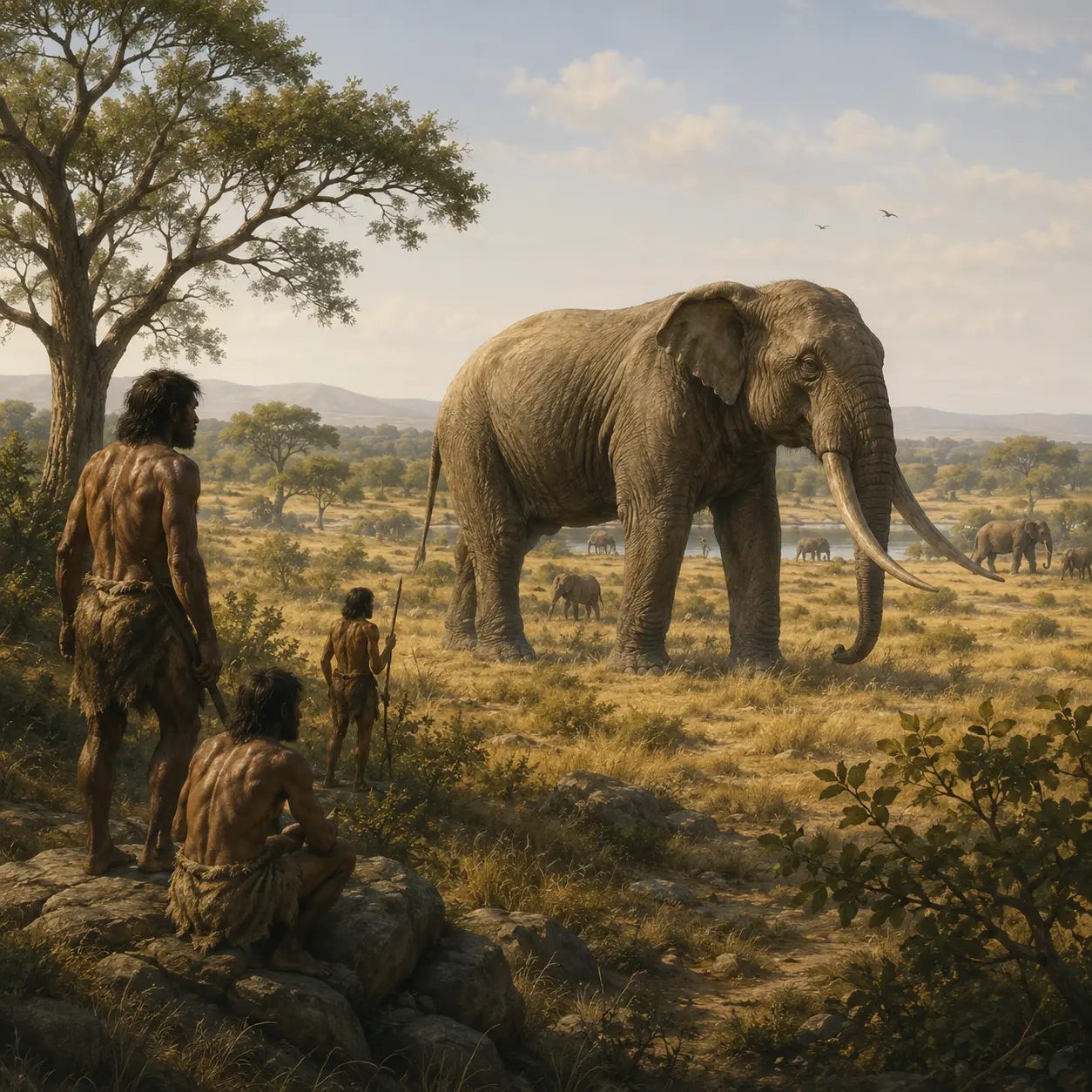
Research links the spread of Homo erectus with a rise in proboscidean (elephant-relative) extinctions around 1.8 million years ago — early human–environment interaction for UPSC Anthropology Paper 1.
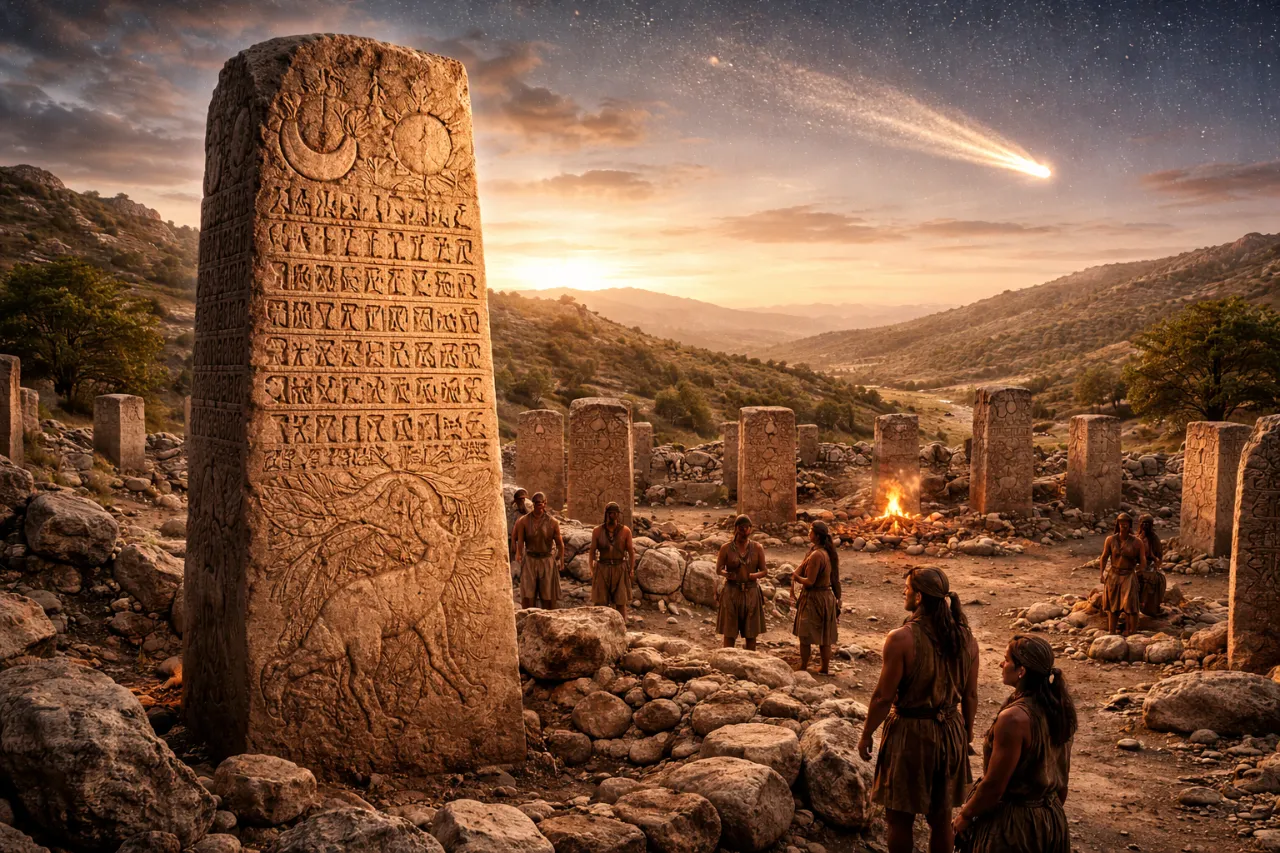
Carvings at a roughly 13,000-year-old site are interpreted as the world’s oldest calendar, informing early human timekeeping and cognition for UPSC Anthropology.
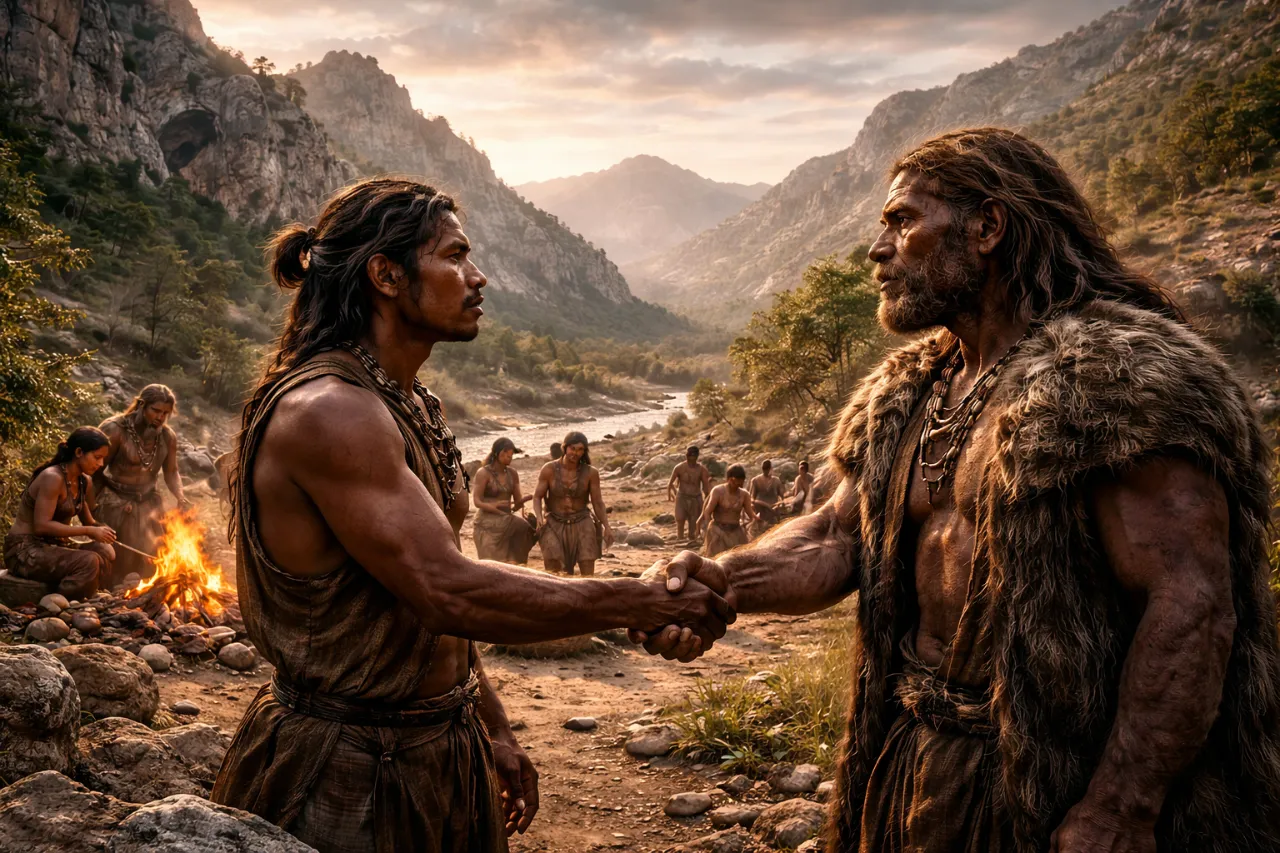
A Scientific Reports study points to the Zagros Mountains as a contact zone where modern humans and Neanderthals met and interbred – key evidence for UPSC Anthropology.
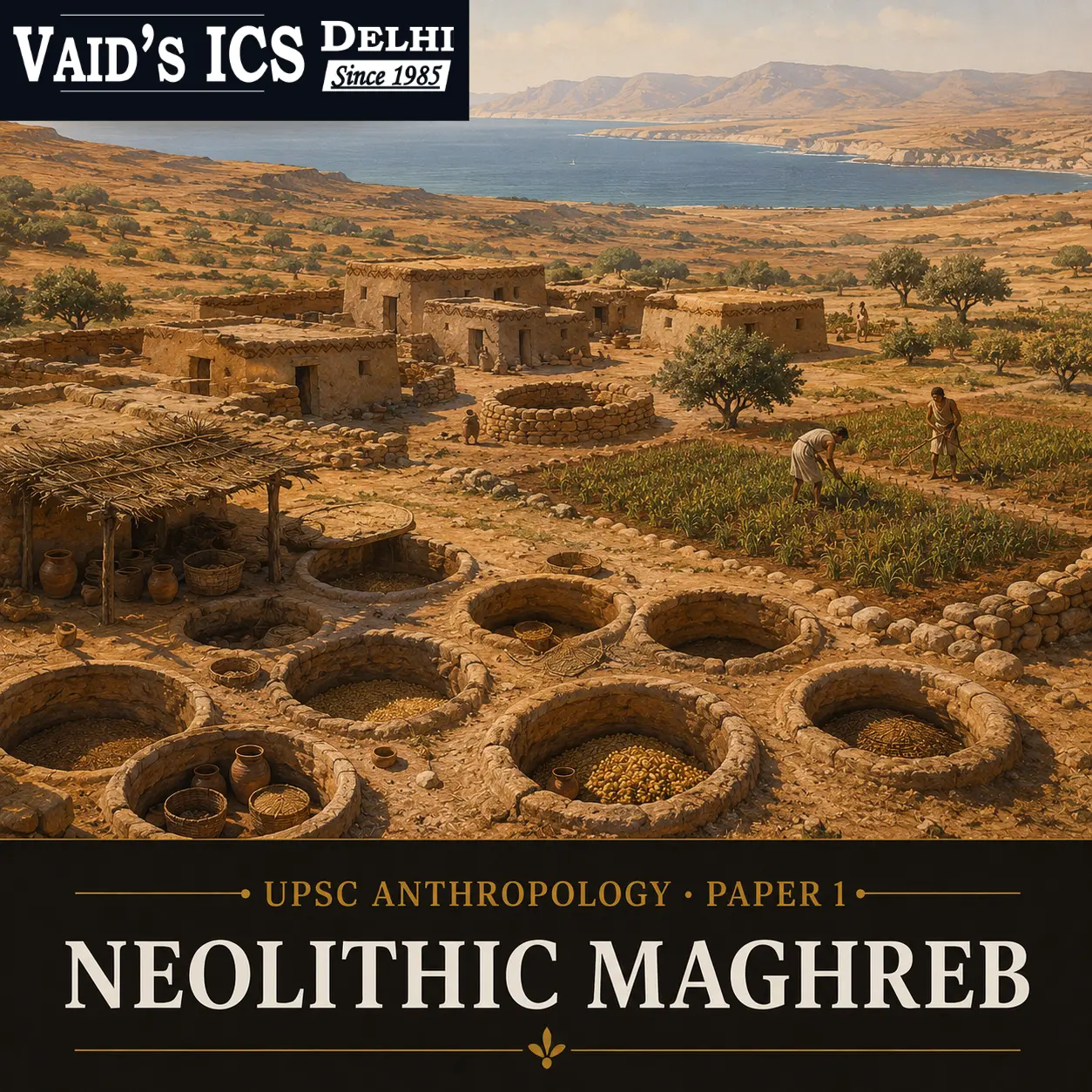
A newly discovered Neolithic farming society at Oued Beht, Morocco reshapes Maghreb prehistory and Mediterranean links — a key archaeology case study for UPSC Anthropology Paper 1.
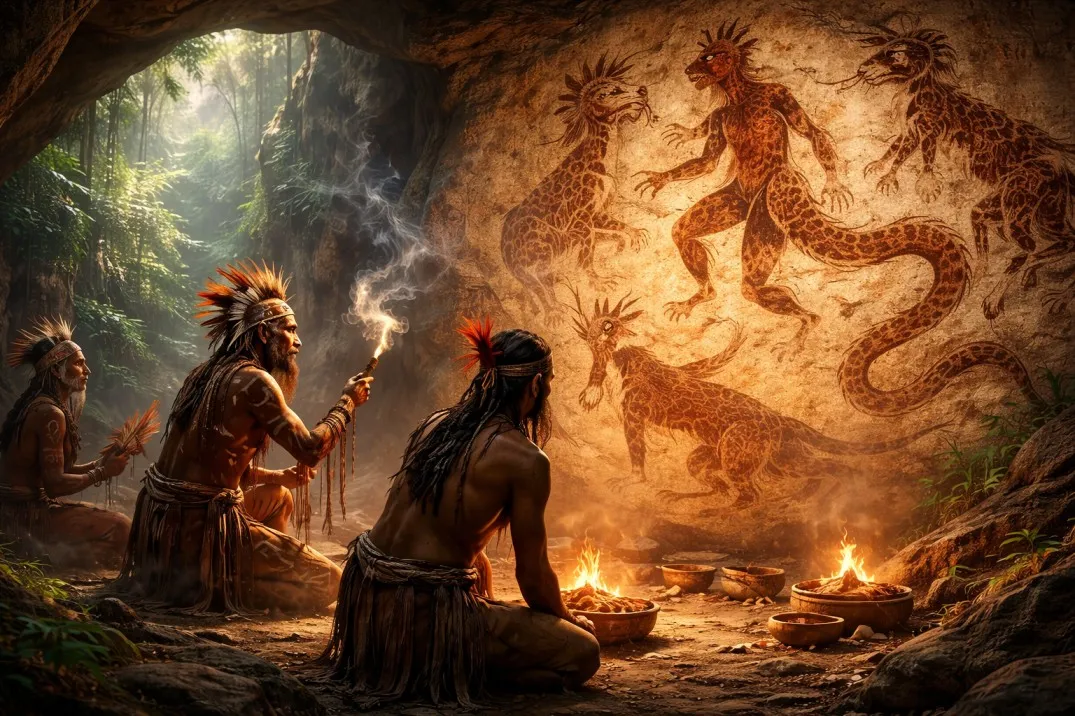
Ancient rock art at Serrania de la Lindosa, Colombia, depicts shamans spiritually transforming into animals – symbolism and belief for UPSC Anthropology.
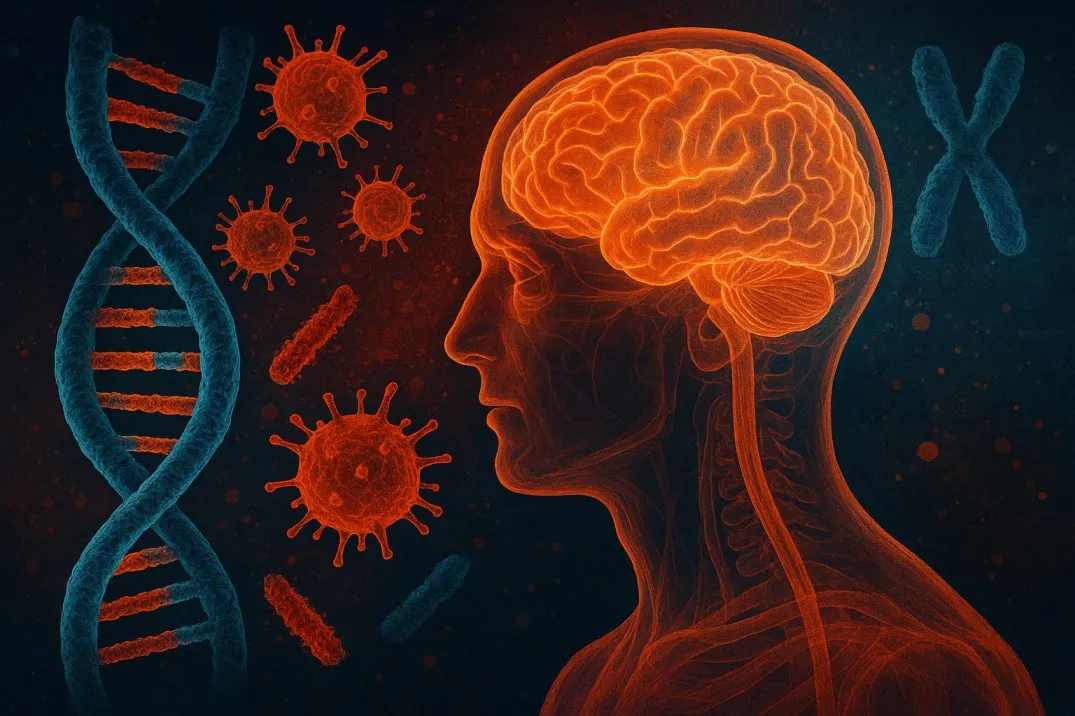
Ancient DNA studies link archaic genetic variants to modern psychiatric-disorder risk, a genetics and human-evolution theme for UPSC Anthropology.
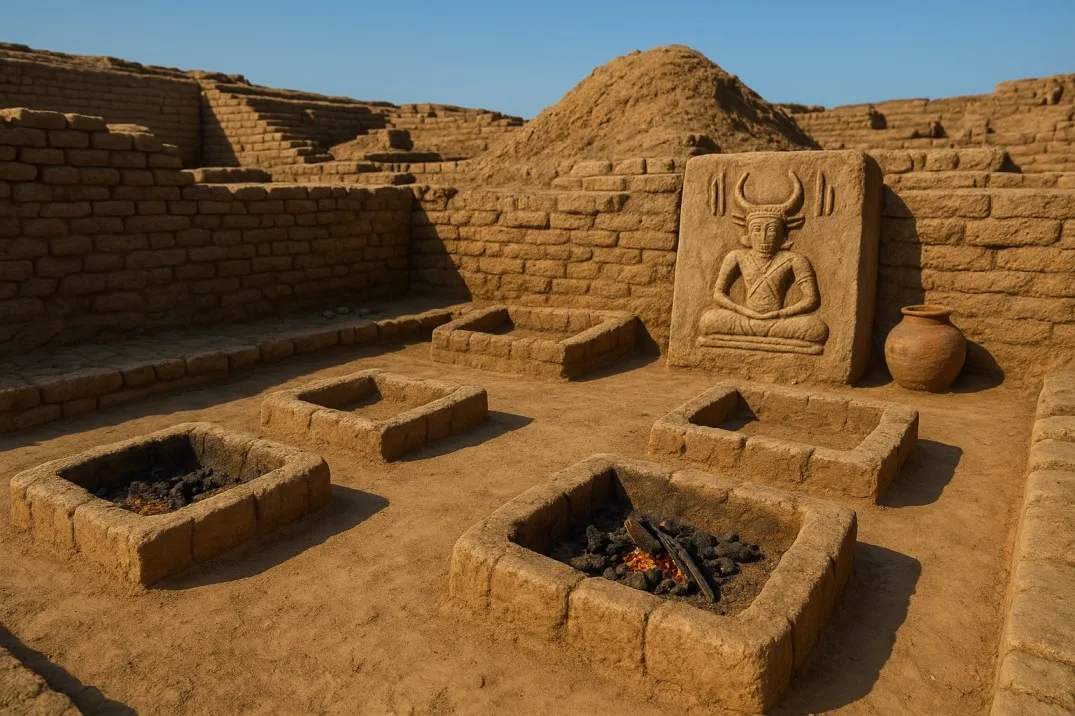
Archaeologists and Sanskrit scholars are collaborating to decode ancient Indian evidence, bridging material culture and textual sources – for UPSC Anthropology.